Honor Database
Displaying 1 – 20 of 184 Honorees (Category: Science & Engineering, with portraits)
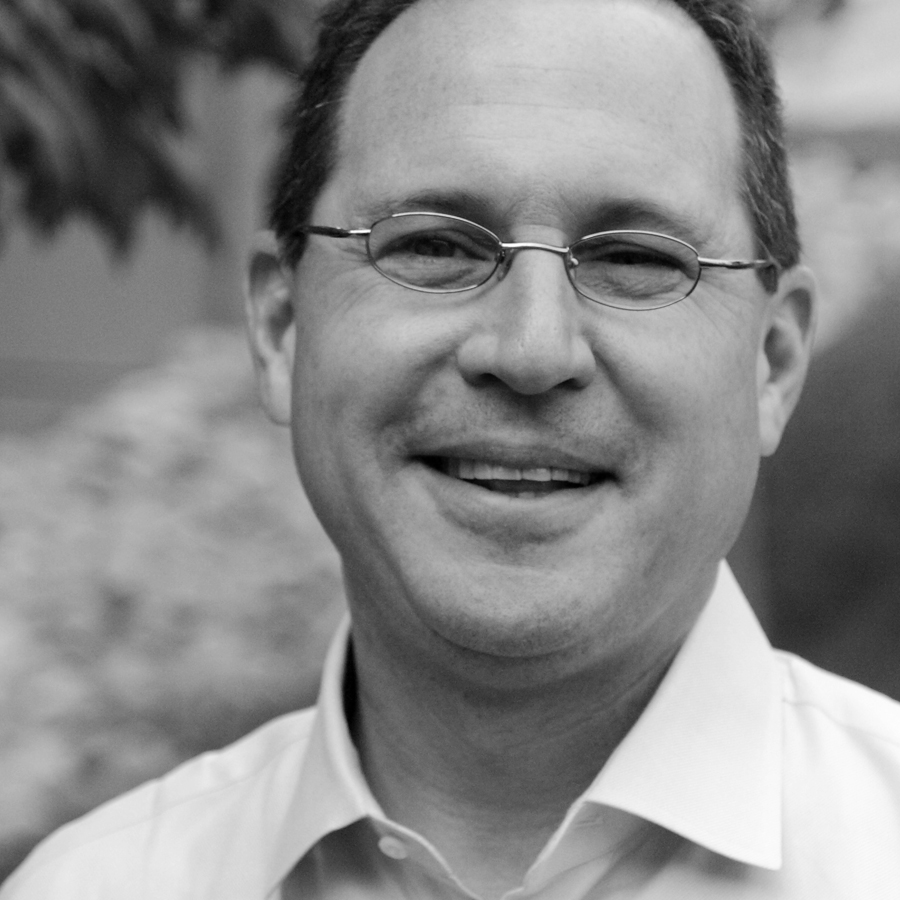
John (Jack) F. Waters
One of the original key contributors who designed and built MCI's initial Internet service, Waters has served as Chief Technology Officer for Level 3 Communications, Inc., a Denver-based provider of a range...
Alexander Ivanovich Mikhailov
Co-founder of the Vserosiisky Institut Nauchnoi I Tekhnicheskoy Informatsii (VINITI) and co-author of the concept of Informatics, Mikhailov was a pioneering figure in the study and dissemination of scientific information. He graduated...
Doulgas Rayner Hartree
English mathematician and physicist, Hartree was most famous for the development of numerical analysis and its application to the Hartree-Fock equations of atomic physics and the construction of the meccano differential analyzer.
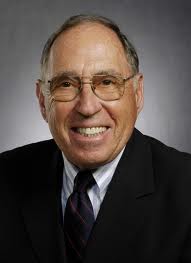
Jack Keil Wolf
Known for his work in coding theory as applied to magnetic storage, Wolf made pioneering and sustained contributions to information theory and digital information storage. He was also an expert in signal...
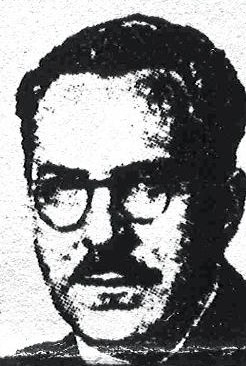
Nils Aall Barricelli
Pioneering in artificial life research, Barricelli conducted early computer-assisted experiments in symbiogenesis and evolution that are considered foundational to the field. Being independently wealthy, he held an unpaid residency at the Institute...
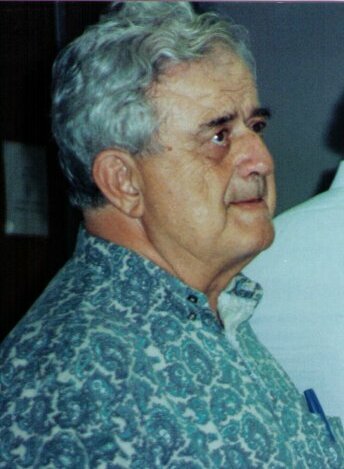
Marshall Nicholas Rosenbluth
Deriver of the Metropolis algorithm — cited in Computing in Science and Engineering (Jan. 2000) as being among the top 10 algorithms having the "greatest influence on the development and practice of...
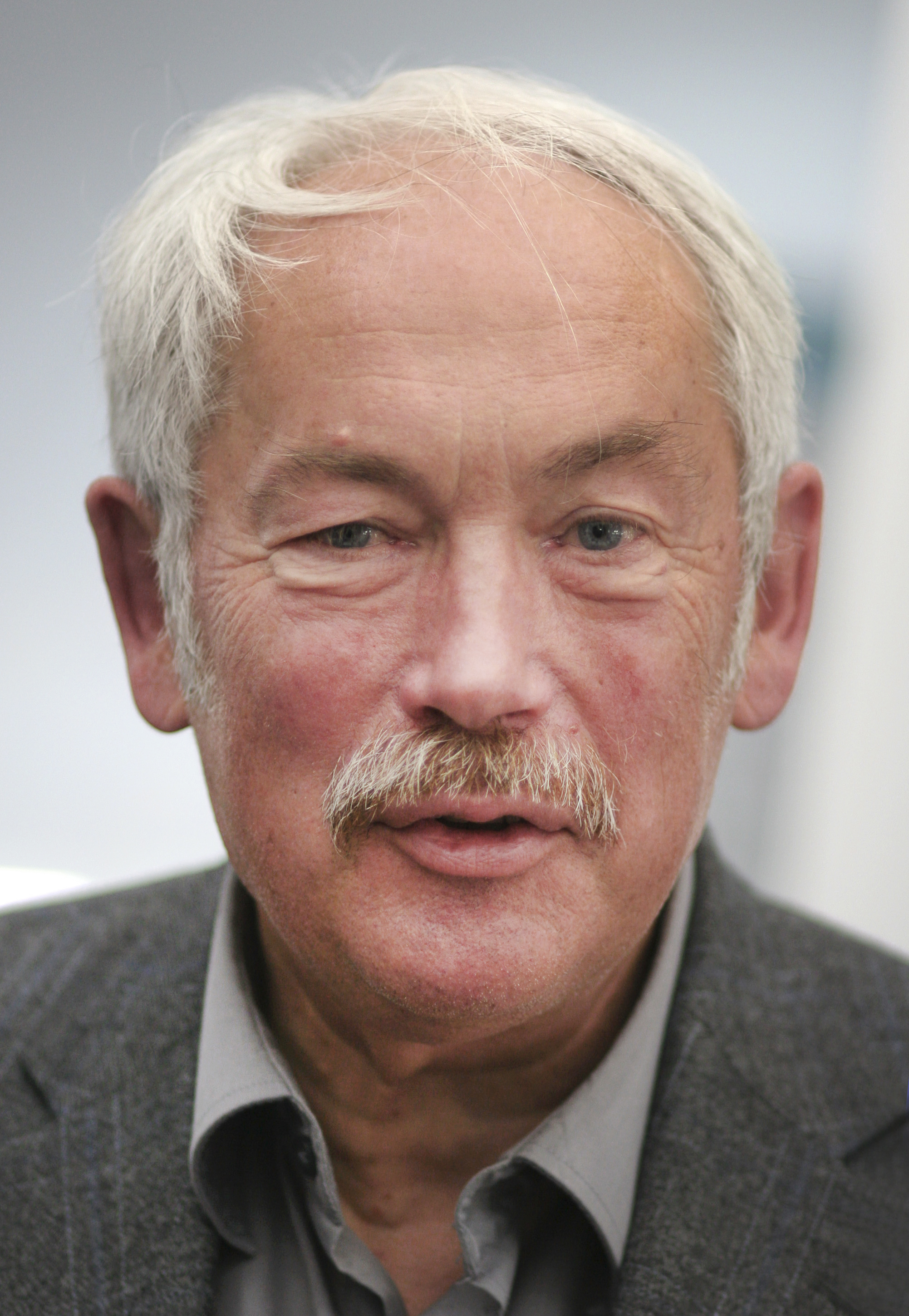
Peter Andreas Grunberg
Peter Andreas Grunberg discovered the Giant Magnetoresistance (GMR) effect, which is the basis of all modern magnetic read/write heads. He received the 2007 Nobel Prize in Physics for this groundbreaking contribution.
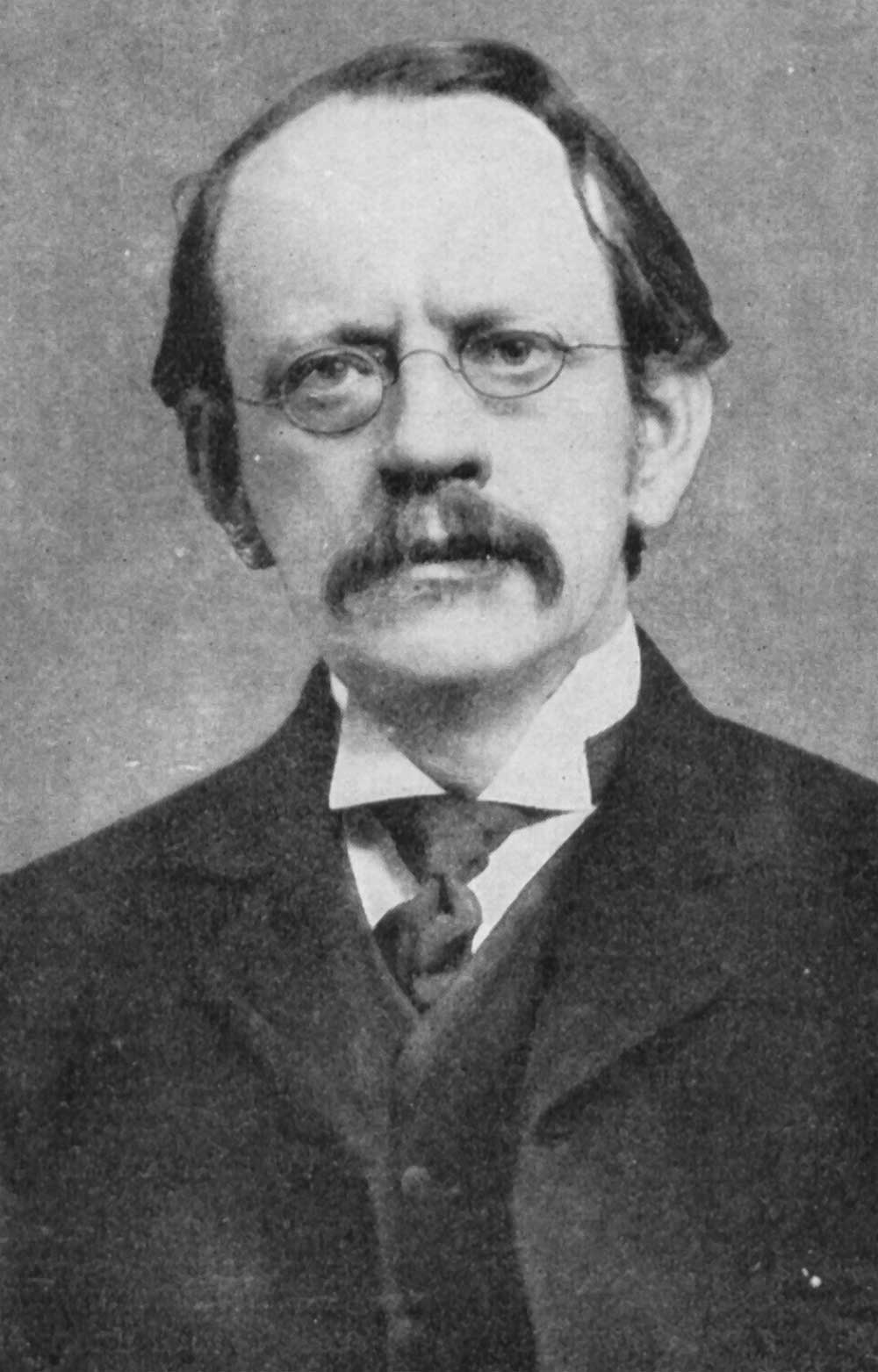
Joseph (J. J.) John Thomson
Discoverer of the electron and isotopes, and inventor of the mass spectrometer, Thomson was a British physicist and Nobel laureate born in Cheetham Hill, Manchester, England. His early education took place in...
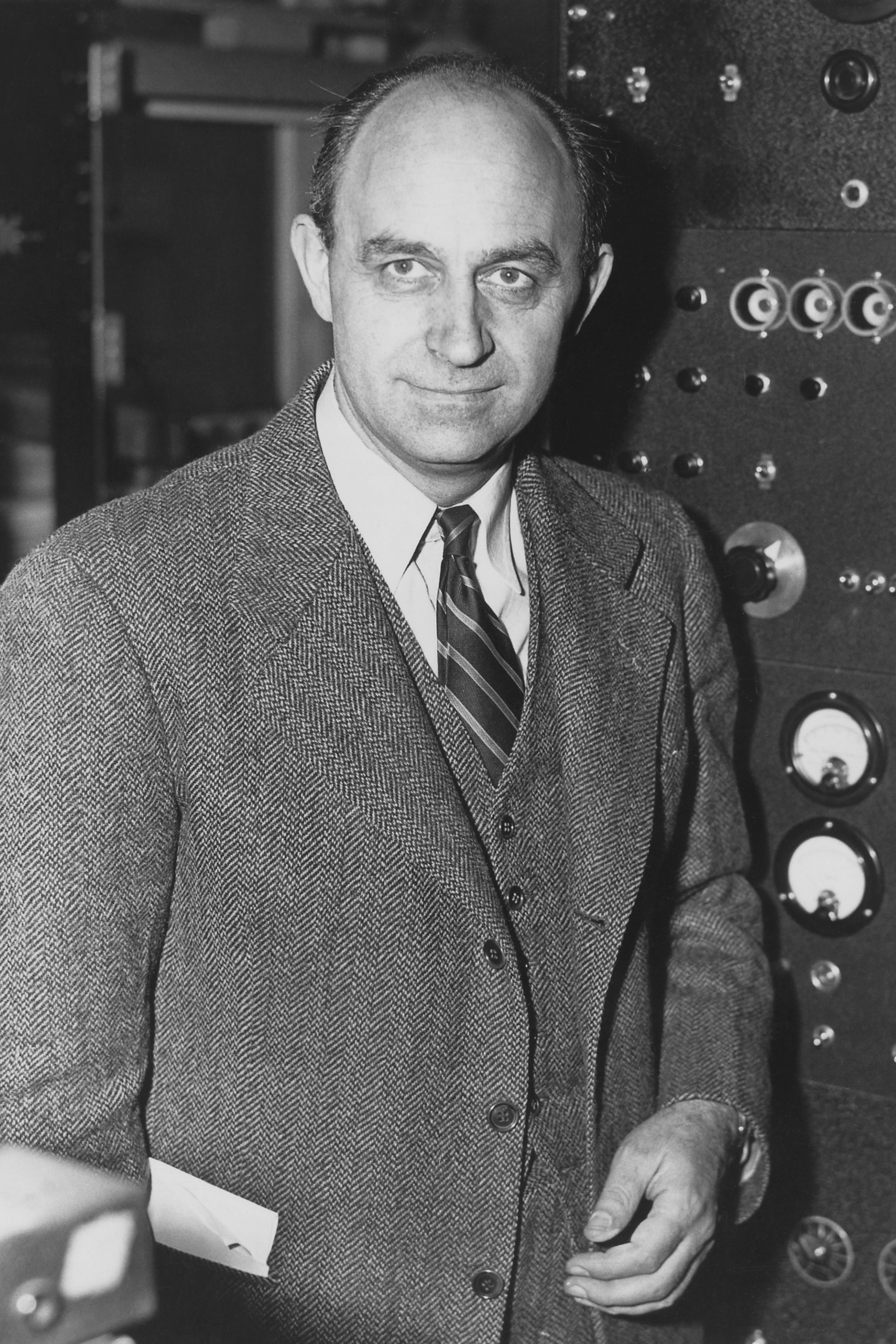
Enrico Fermi
Inventor of the FERMIAC, an analog computer that used the Monte Carlo Method to study neutron transport through fissionable materials, Fermi was an Italian-born, naturalized American physicist particularly known for his work...
Saul Amarel
Pioneer in Artificial Intelligence, Amarel was best known for his groundbreaking work in AI methodologies applied to scientific inquiry and engineering practice. He also had a distinguished career as a scientist, engineer,...

Lynn G. Gref
Developer of the Rapid Development Methodology (RDM), Gref is a technologist and systems engineer who has done pioneering work in missile systems; command, control and communications (C3) systems; and satellite systems. He...
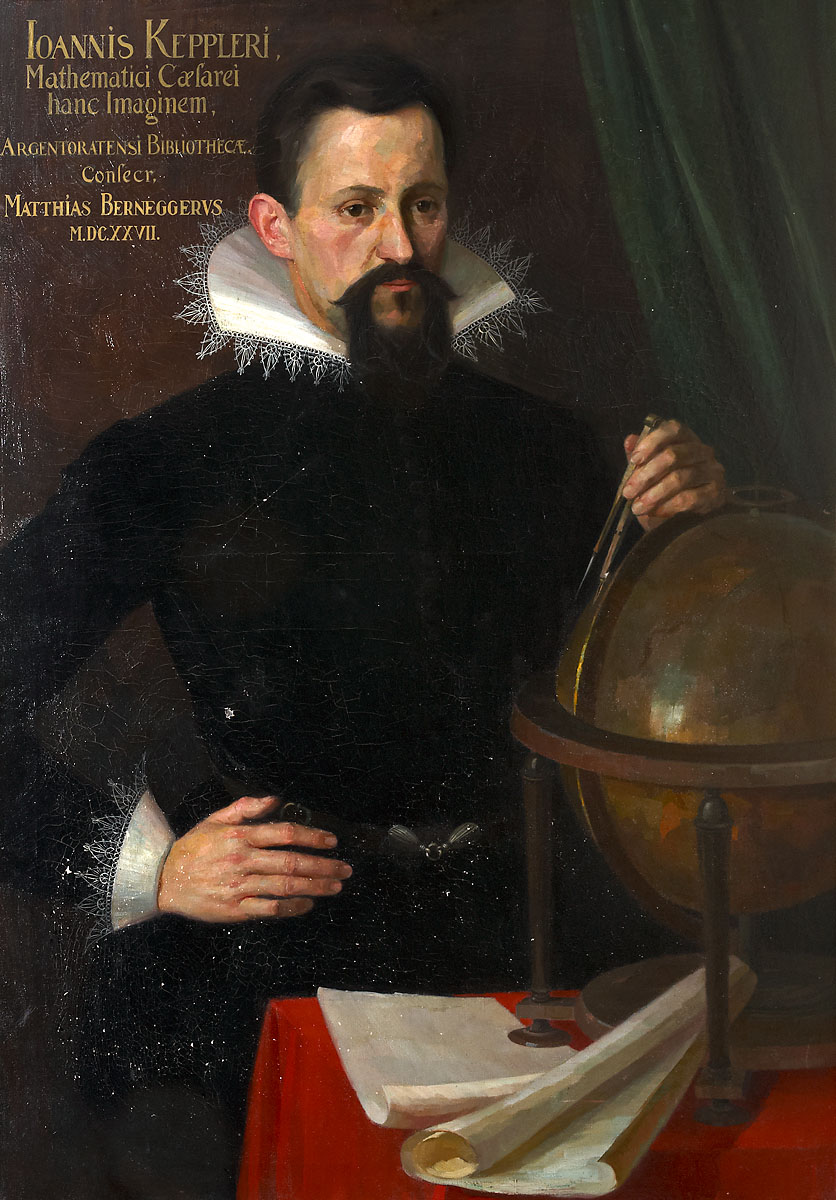
Johannes Kepler
Best known for his eponymous laws of planetary motion, Kepler was a German mathematician, astronomer, and astrologer and a key figure in the 17th century scientific revolution. His laws were codified by...
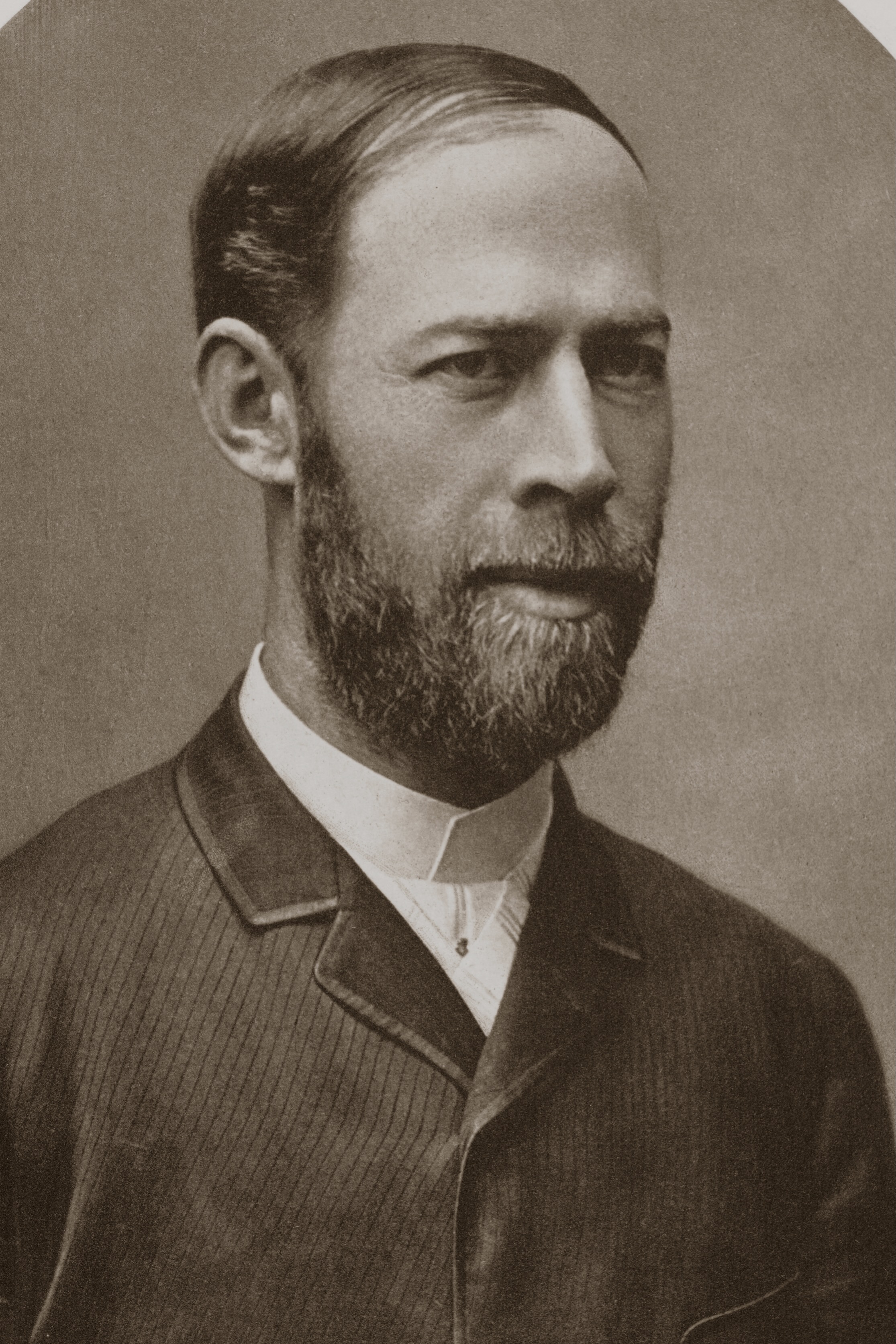
Heinrich Rudolf Hertz
The first to satisfactorily demonstrate the existence of electromagnetic waves, Hertz clarified and expanded the electromagnetic theory of light that had been put forth by Maxwell. He was born in Hamburg, Germany,...
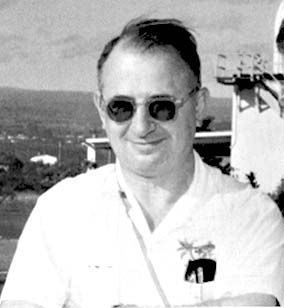
Harry Wexler
A pioneer in the use of computers for weather prediction and modification, Wexler was an American meteorologist who attended Harvard University, and in 1939 was awarded a Ph.D. in meteorology from the...

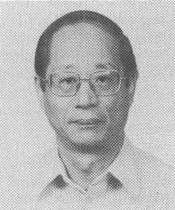
King-Sun Fu
A pioneer in the field of pattern recognition and machine intelligence, Fu is considered to be the "father of automatic pattern recognition," and was widely recognized for his extensive contributions to the...
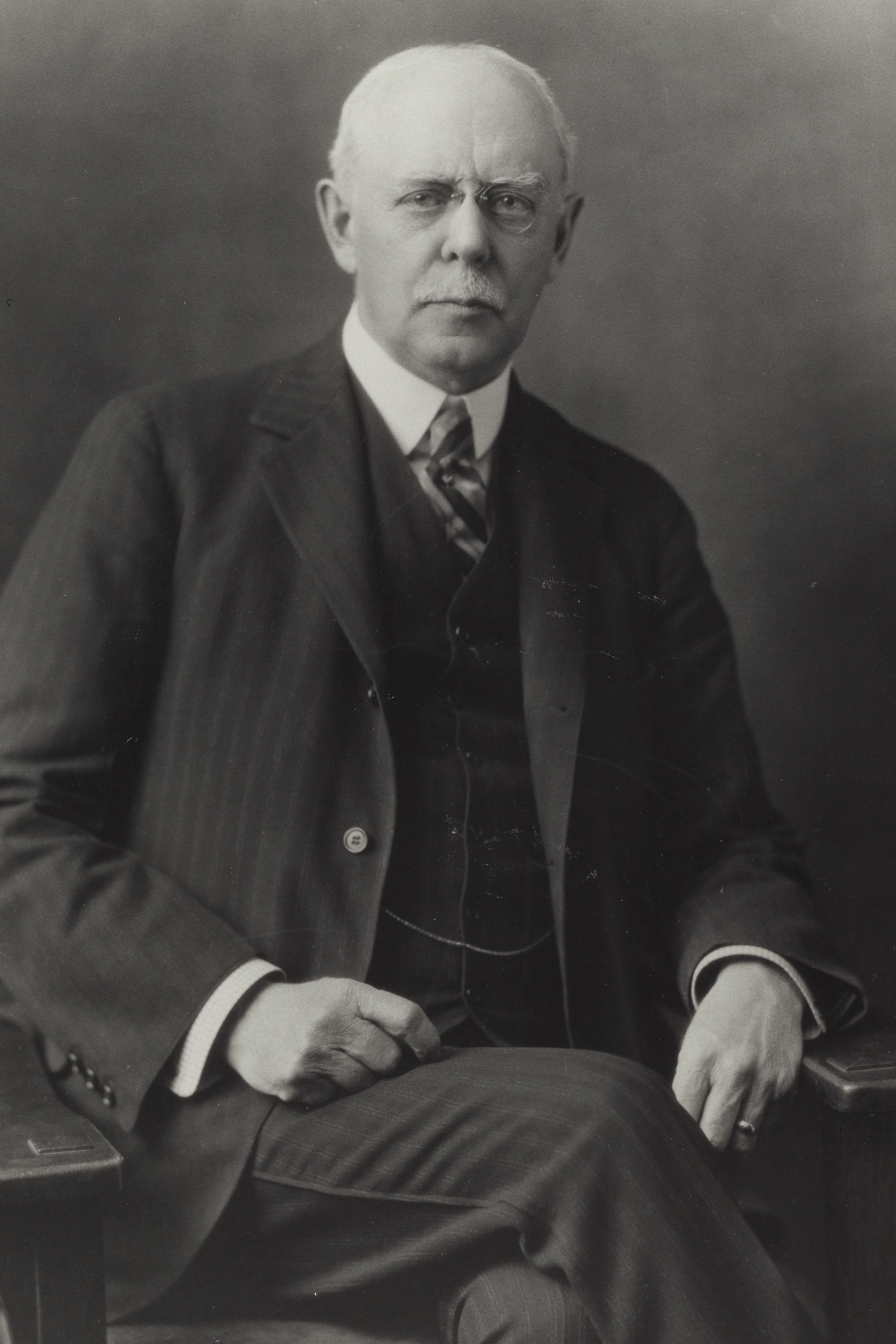
Arthur Dehon Little
Founder of the consulting company Arthur D. Little, which played key roles in the development of the word processor and much more, Little was an American chemist and chemical engineer born in...
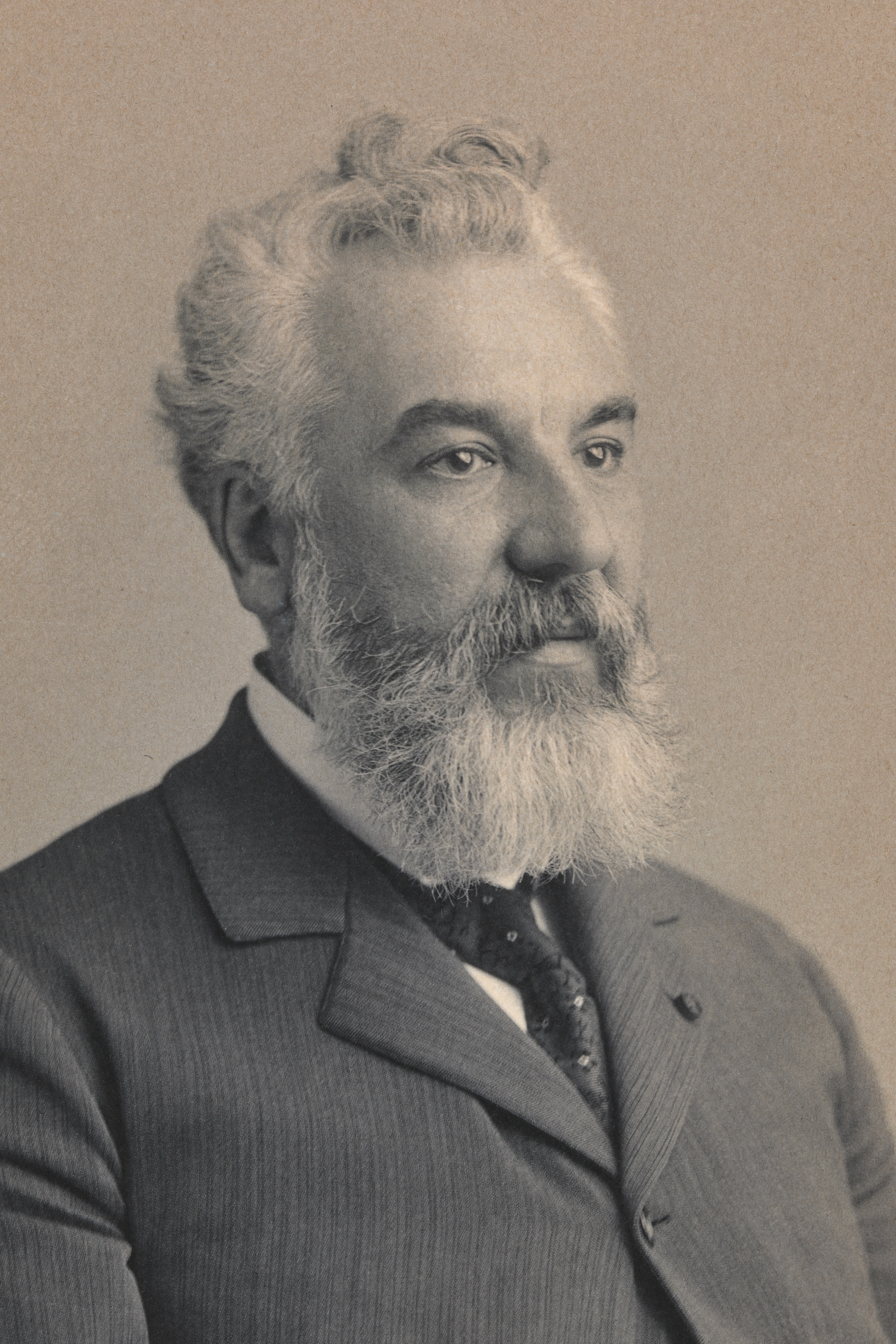
Alexander Graham Bell
Inventor of the first practical telephone, Bell was also an eminent scientist, engineer, and innovator whose later work made groundbreaking contributions to optical telecommunications, hydrofoils, and aeronautics. Bell's father, grandfather, and brother had...
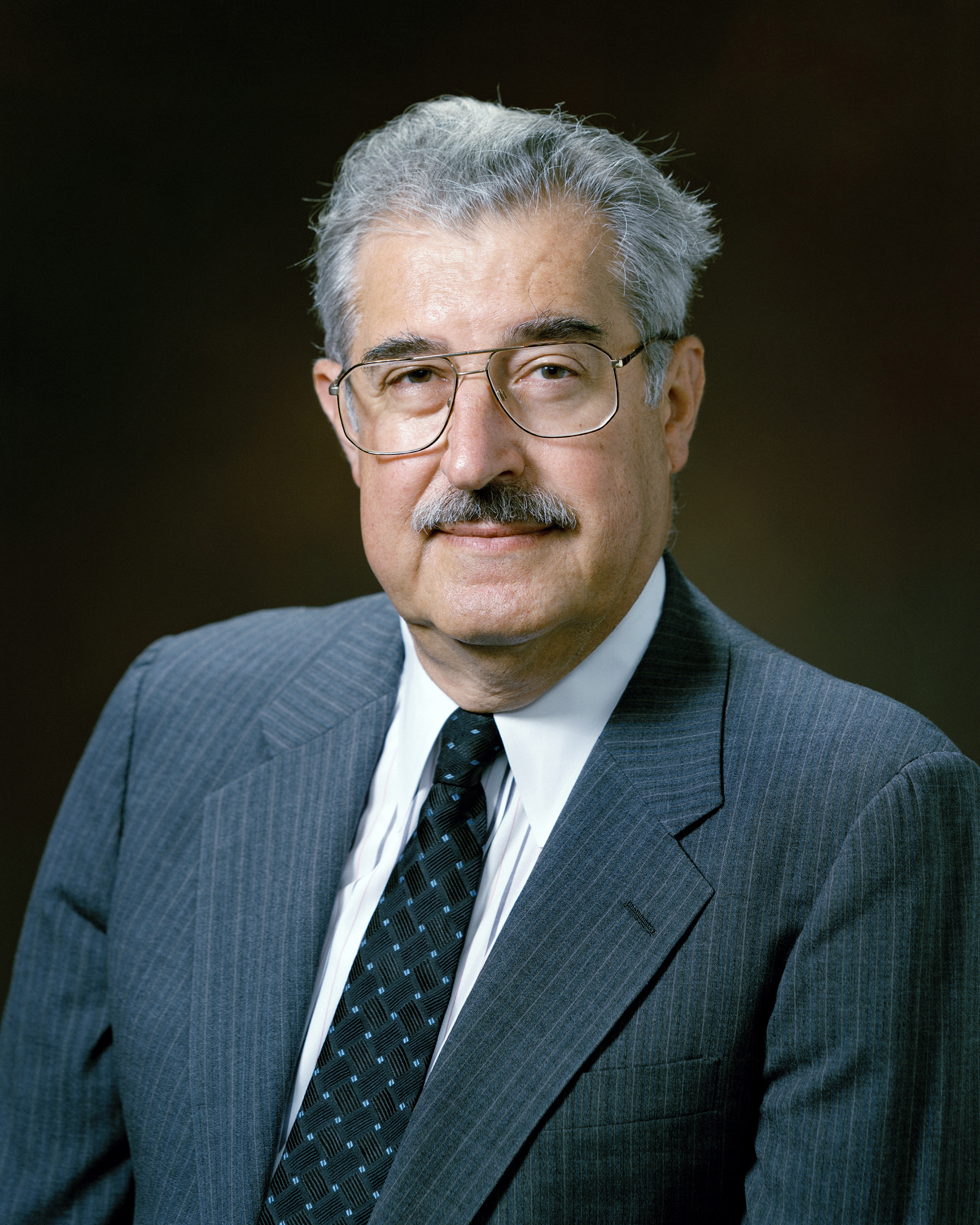
Charles M. Herzfeld
Director of DARPA who personally authorized the creation of the ARPANET, the predecessor of the Internet, Herzfeld was an American scientist and scientific manager, particularly for the US Government, best known for...
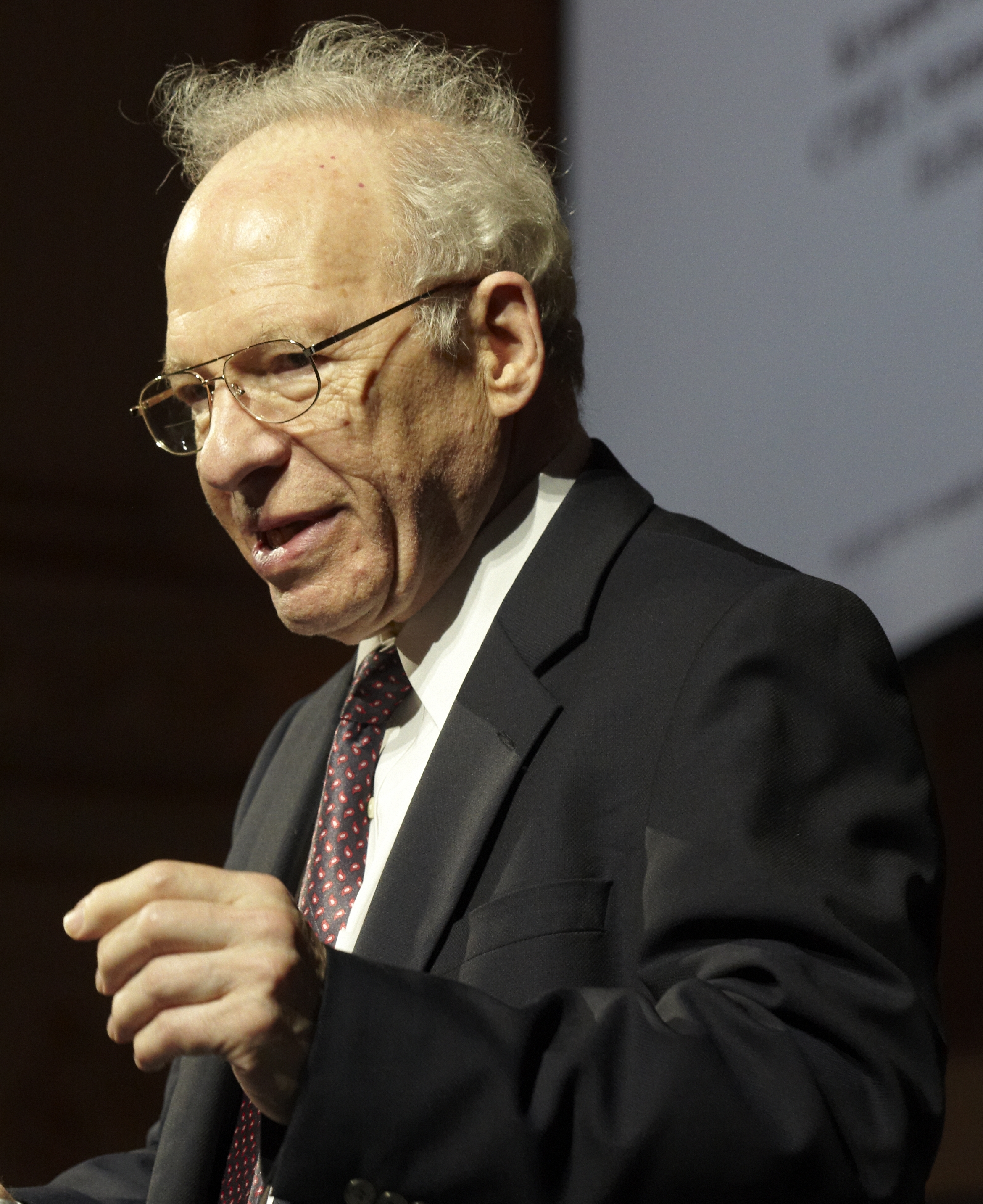
Richard Lawrence Garwin
Co-developer of laser printers and touchscreen monitors for IBM in the 1970s, Garwin was an American physicist and IBM Fellow Emeritus at the Thomas J. Watson Research Center in Yorktown Heights, New...
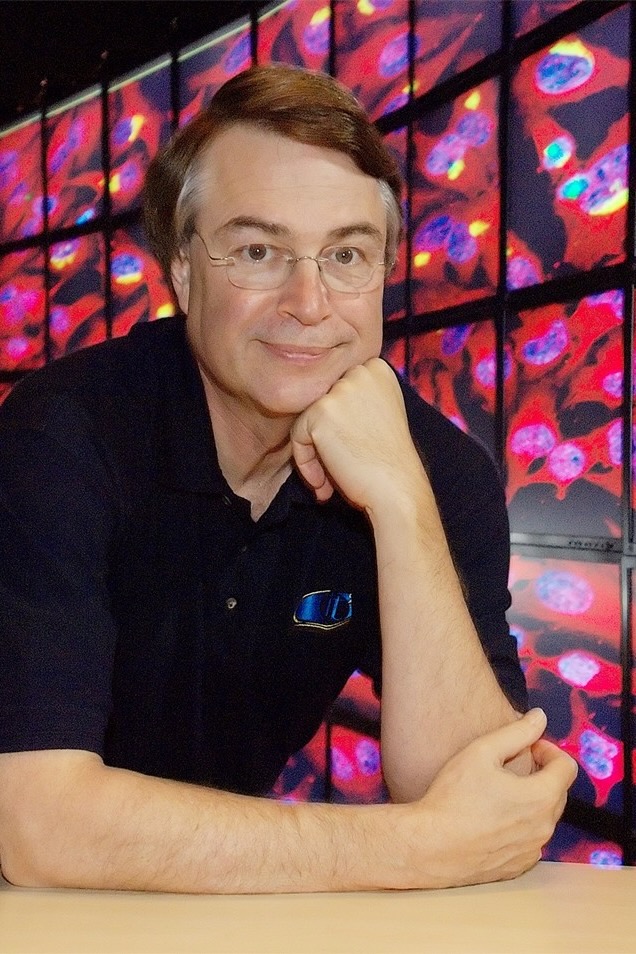
Larry Smarr
Advocate for a high-speed network linking the National Science Foundation and the National Center for Supercomputing Applications — which became the NSFnet, one of the significant predecessors of today's Internet — Smarr...