Honor Database
Displaying 81 – 100 of 184 Honorees (Category: Science & Engineering, with portraits)
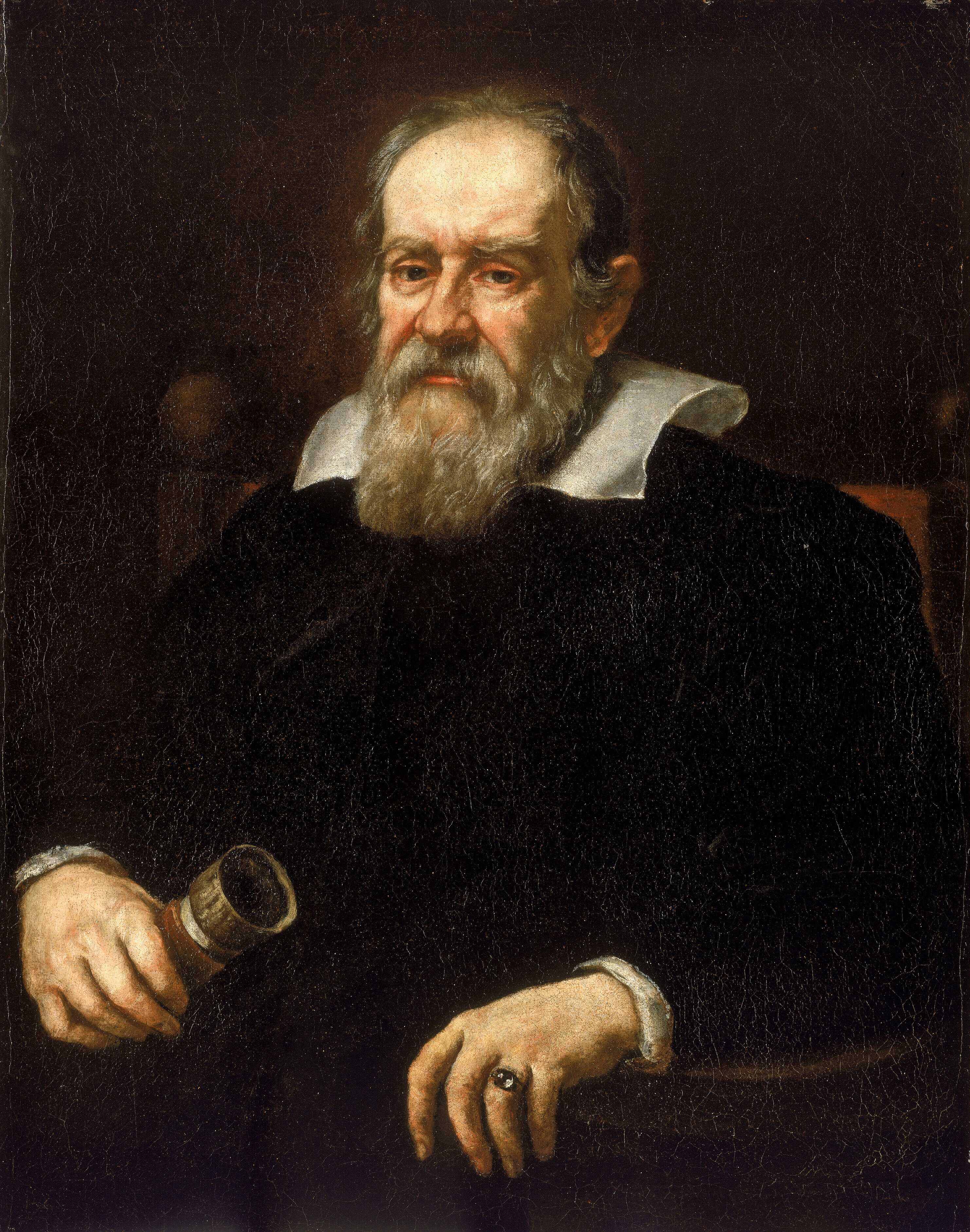
Galileo Galilei
Called "the Father of Modern Science," Galilei played a major role in the Scientific Revolution, including landmark improvements to the telescope and the invention of an improved military compass. He was born...
Peter P. Sorokin
Co-inventor of the dye laser, Sorokin and his colleague J. R. Lankard at IBM Research Laboratories used a ruby laser to excite a near infrared laser dye. Their report was quickly followed...
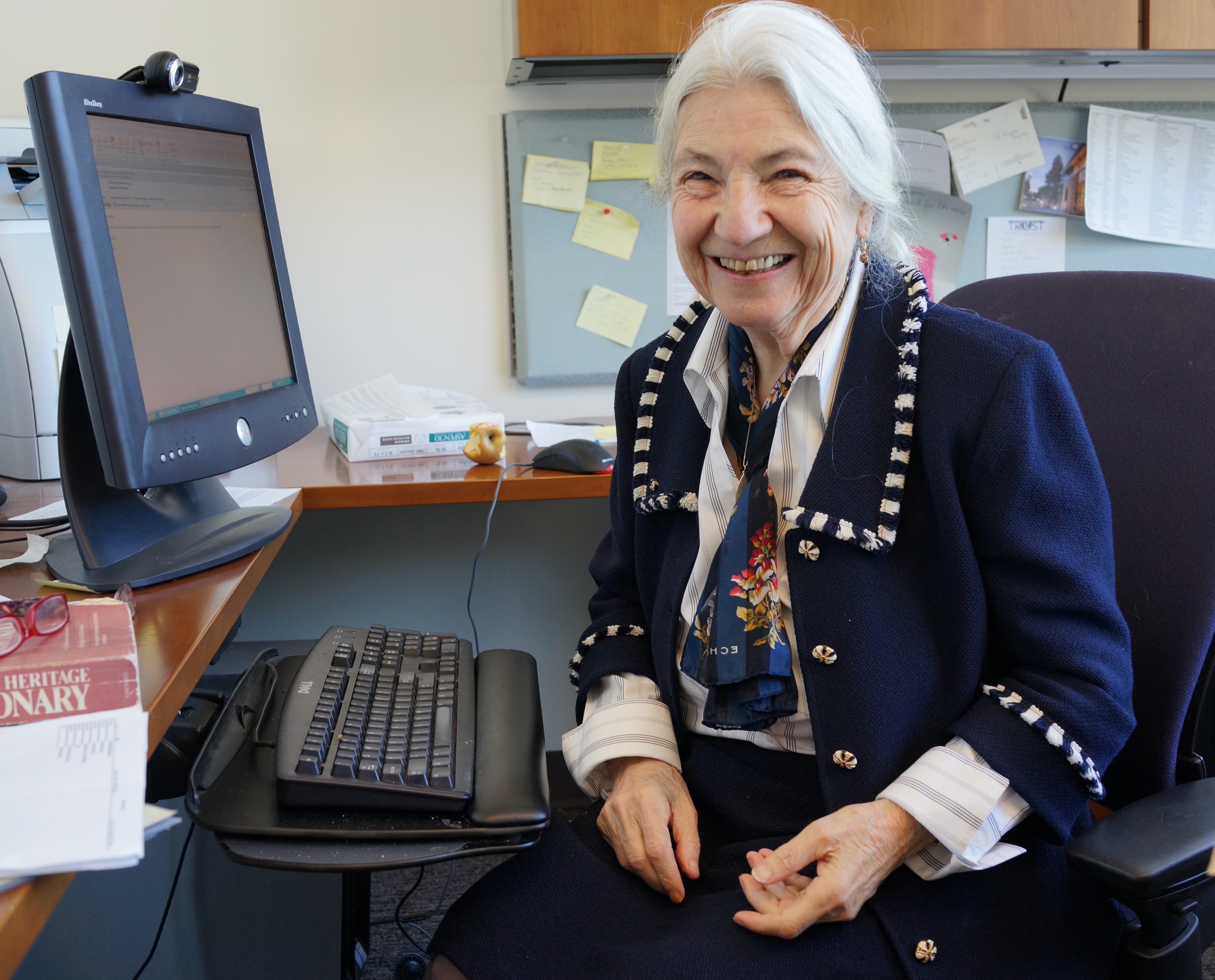
Ruzena Bajcsy
Founding director of the University of Pennsylvania's General Robotics and Active Sensory Perception (GRASP) Laboratory, Bajcsy is an American engineer and computer scientist specializing in robotics. She also served as head of...
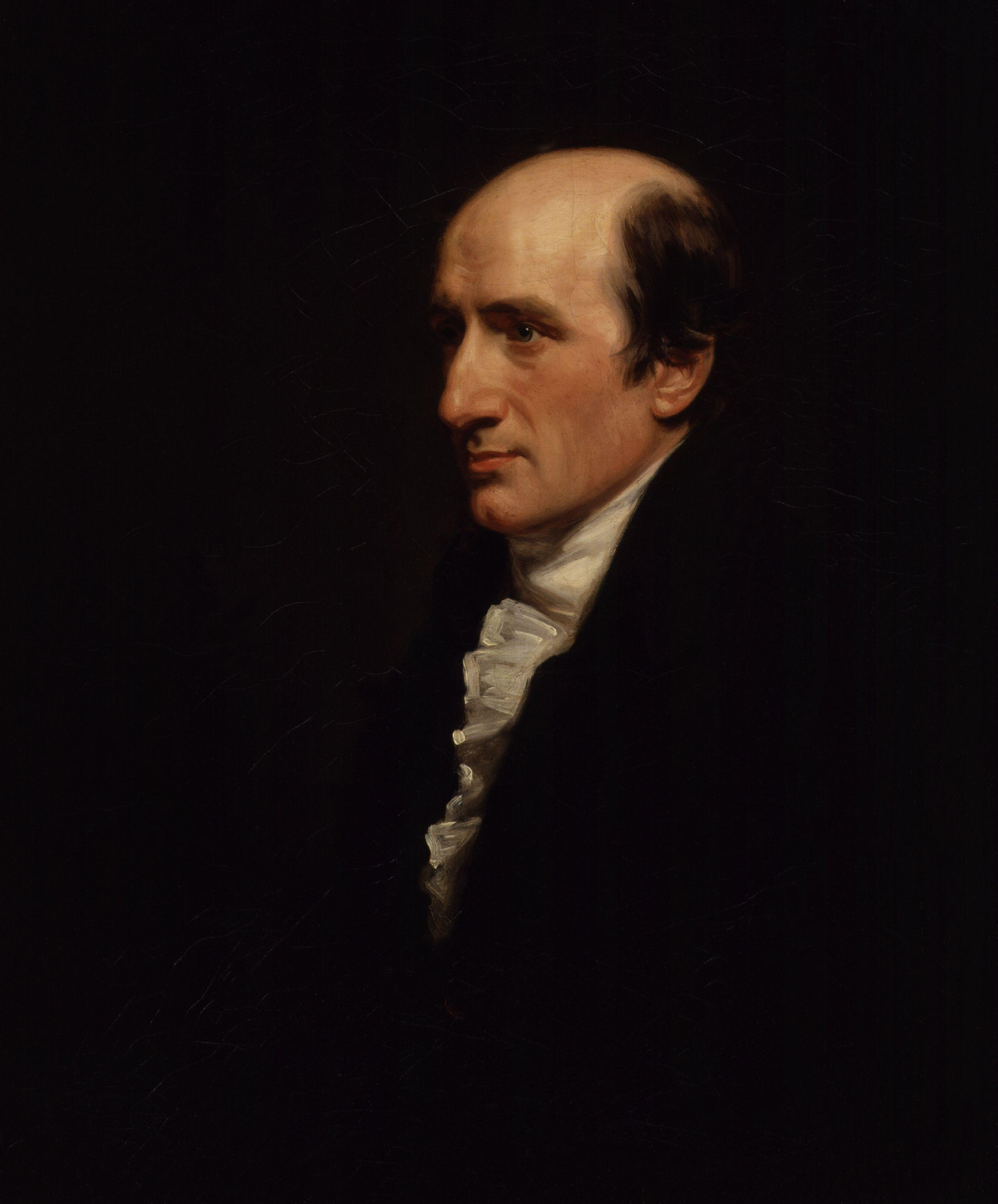
Charles Stanhope, 3rd Earl Stanhope
Inventor of two calculating machines, Stanhope was also a British statesman and scientist and a Fellow of the Royal Society (FRS). Also known as Charles Mahon, 3rd Earl Stanhope, he was the...
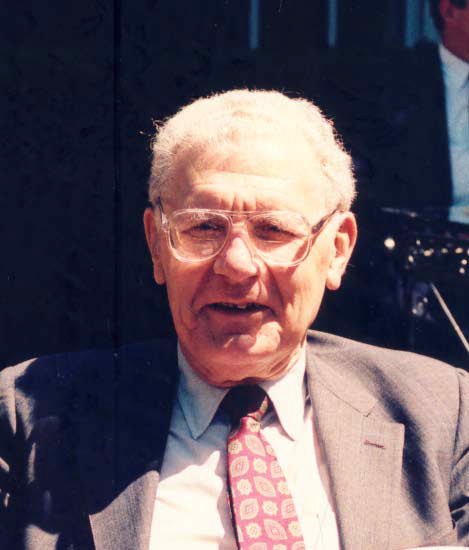
Russell Lincoln Ackoff
Recognized as the "Father of Operations Research" for helping establish one of the world's first Departments of Operations Research, Ackoff is also celebrated internationally as a pragmatic academic, systems thinker, and prolific...

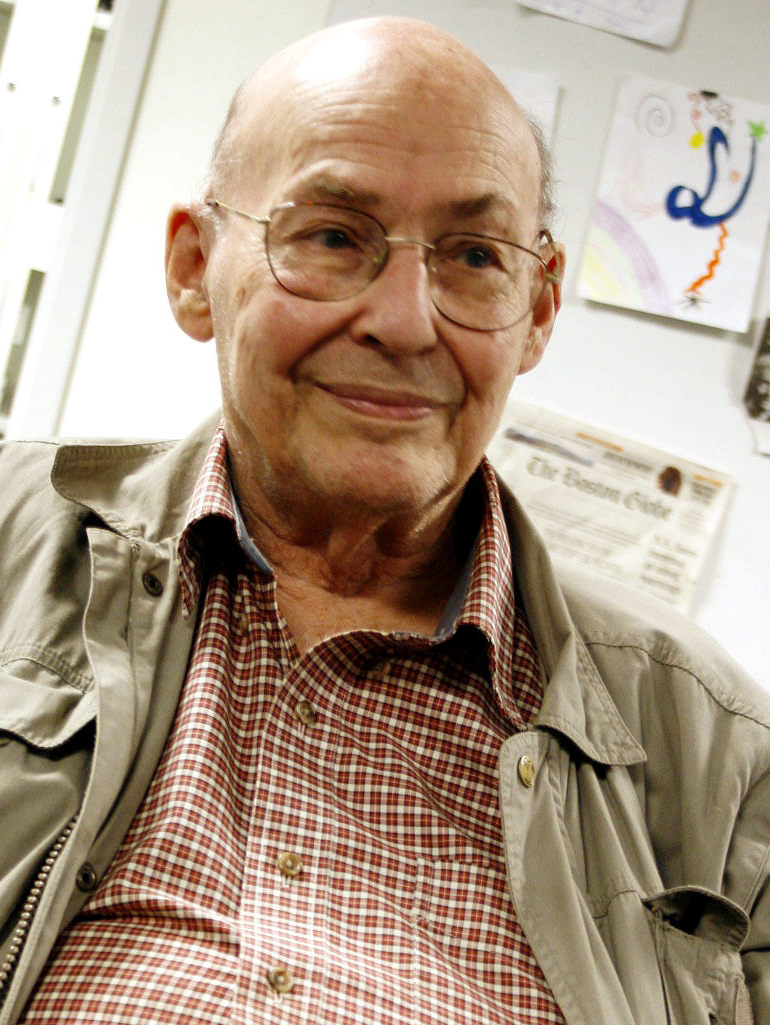
Marvin Lee Minsky
Co-founder of MIT's AI laboratory and a towering figure in artificial intelligence, Minsky was an American cognitive scientist and author of several texts on AI and philosophy.
Michael Hatzakis
Co-developer of electron beam lithography, PMMA resist, and the "lift off" process, Hatzakis has been a researcher with IBM Research at Yorktown Heights, New York since 1961, serving as a manager of...
Dinesh Verma
Leader of an international team of 22 research organizations selected to form the International Technology Alliance in Network Sciences, Verma is an IBM Fellow, researcher, and Department Group Manager at the IBM...
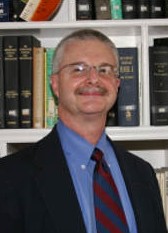
Bradford Brooks
Leader of a team that developed a global program to test emissions from IBM products and ensure compliance with relevant requirements, Brooks has served as Corporate leader of IBM's Global Toxicology and...
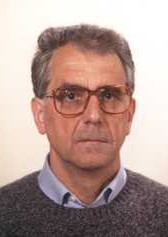
Luciano Lenzini
Director of the initiative which led to the operation of the first Internet node in Italy, Lenzini has served as a Full Professor at the Information Engineering Department of the University of...
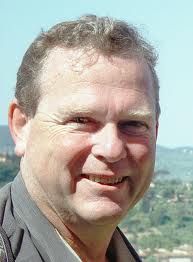
Geoff Huston
Leader of the initial construction of the Internet in Australia in the late 1980s, Huston is widely regarded as the preeminent researcher on IPv4 exhaustion, routinely referenced by international agencies and frequently...
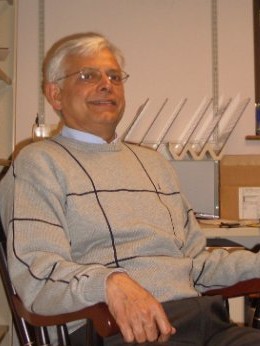
Kishor S. Trivedi
A leading international expert in reliability and performability evaluation of dependable systems, Trivedi has made seminal contributions to stochastic modeling formalisms and their efficient solution. He has held the Hudson Chair in...
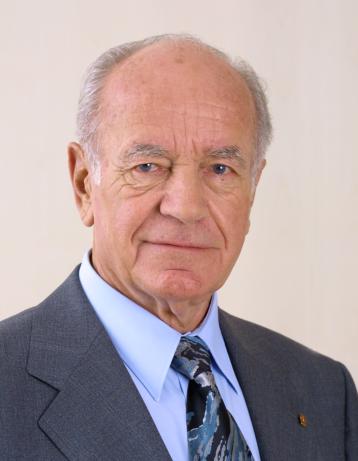
Karl Ganzhorn
Director of IBM development in Europe, Ganzhorn founded and led the German laboratory of IBM at Böblingen. He initiated major development efforts in semiconductor memories, computer systems, and software. Ganzhorn has served as...
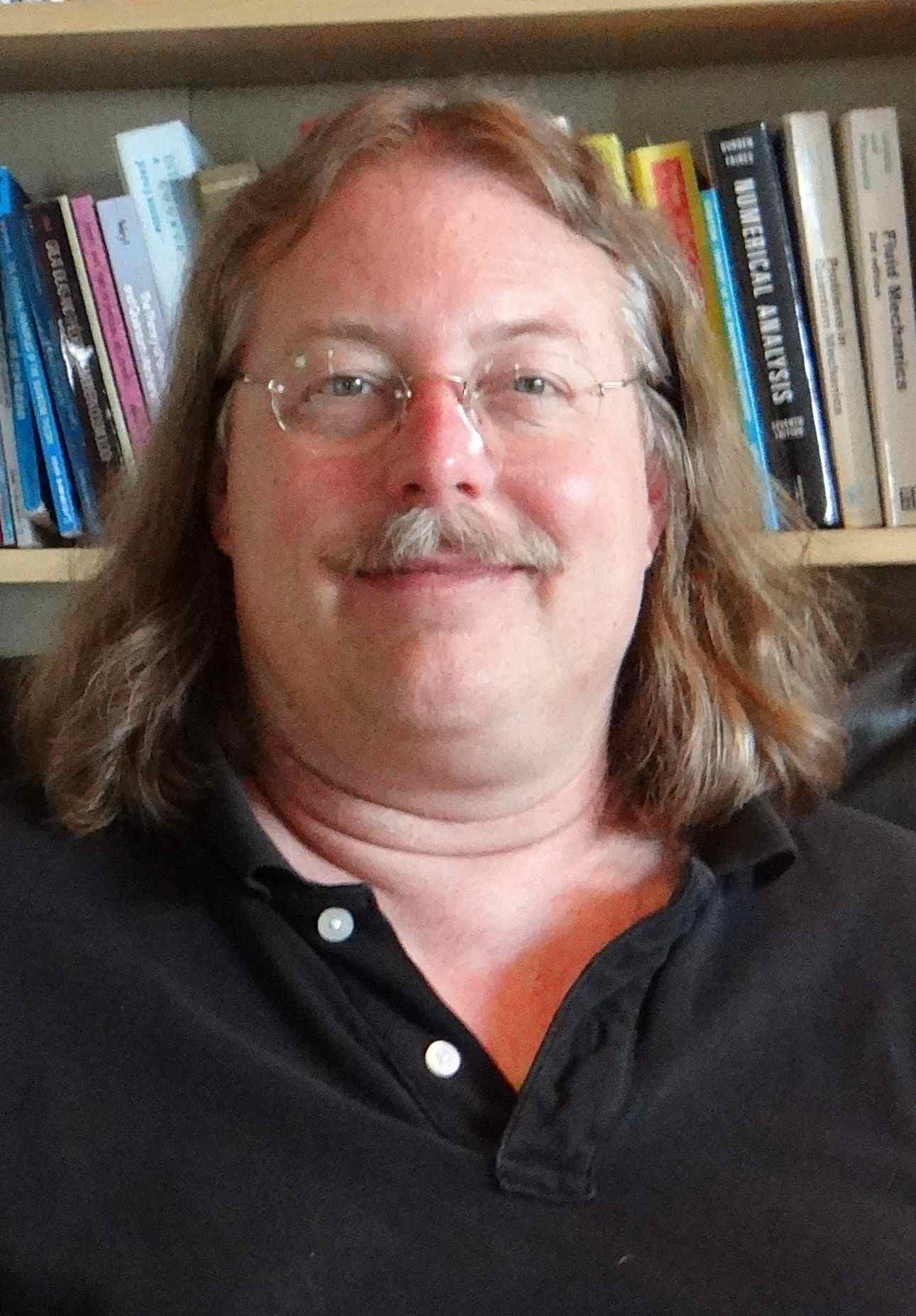
Christopher (Chris) R. Johnson
Founder of the Scientific Computing and Imaging (SCI) research group, which grew into the Scientific Computing and Imaging Institute (SCI Institute), Johnson has served as a Distinguished Professor of Computer Science at...
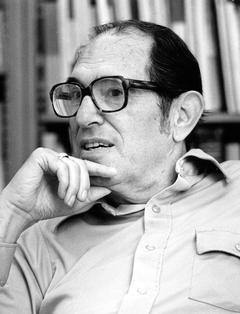
Jerome Namias
Instrumental in ensuring that computer-generated forecasts resembled the real atmosphere for the numerical forecasting project using the supercomputer ENIAC at the Institute of Advanced Study in Princeton, Namias was a U.S. meteorologist...
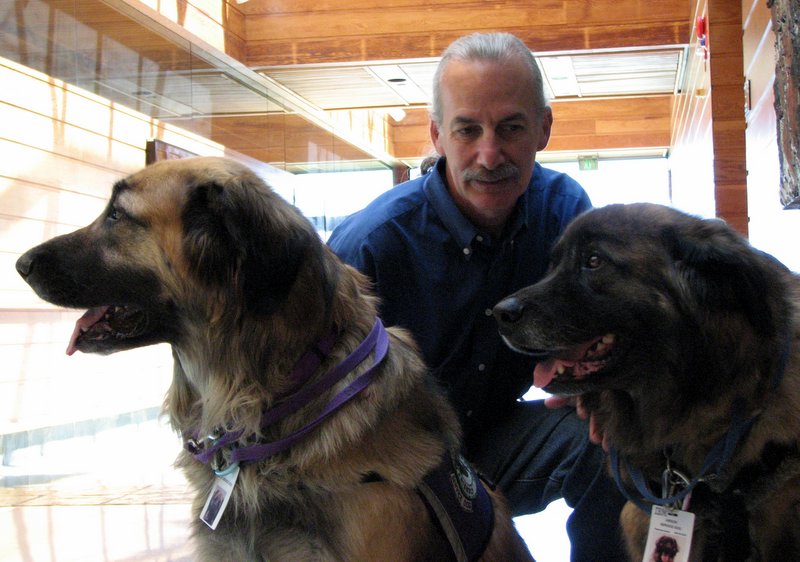
Donald (Don) M. Eigler
The first researcher to use a scanning tunneling microscope tip to arrange individual atoms on a surface, Eigler is noted for his achievements in nanotechnology. In September 1989, he famously spelled out...
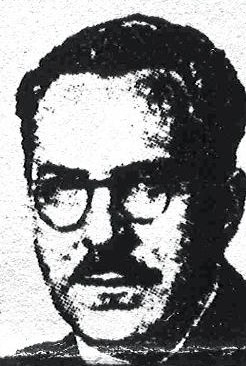
Nils Aall Barricelli
Pioneering in artificial life research, Barricelli conducted early computer-assisted experiments in symbiogenesis and evolution that are considered foundational to the field. Being independently wealthy, he held an unpaid residency at the Institute...
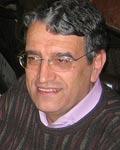
Virgil Dorin Gligor
Researcher in computer security addressing problems of trustworthy computing in the presence of malware and malicious insiders, and in next-generation secure Internet design, Gligor is a Romanian-American Professor of Electrical and Computer...
Keith Uncapher
Pioneer of packet switching and MOSIS, Uncapher spread the ideas that later evolved into the Internet. Under his leadership, ISI provided support for emerging DARPA programs in Information Technology. There, Uncapher assembled...
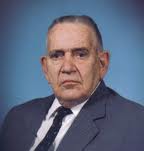
Paul Alexander Desmond DeMaine
A leading figure in the early development of computer-based automatic indexing and information retrieval and one of the founders of academic computer science in the 1960s, DeMaine was born in South Africa...