Honor Database
Displaying 21 – 40 of 269 Honorees (Category: Mathematics, with portraits)
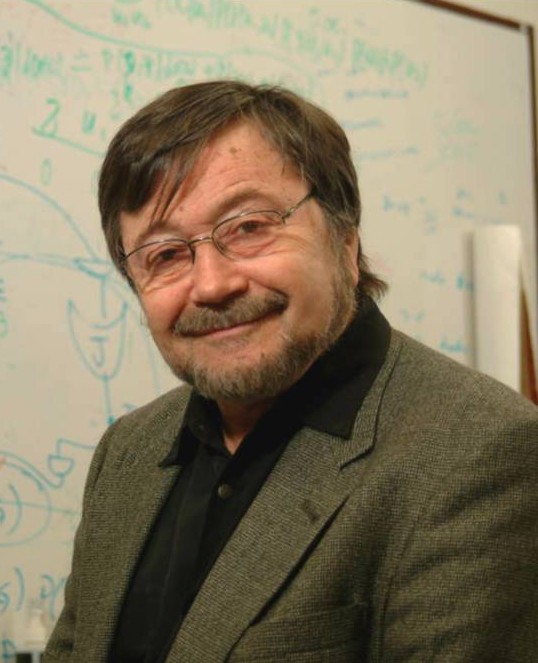
Judea Pearl
A pioneer of the probabilistic approach to artificial intelligence and the development of Bayesian networks, Pearl is an Israeli American computer scientist and philosopher. His work demonstrated empirical success in numerous applications...
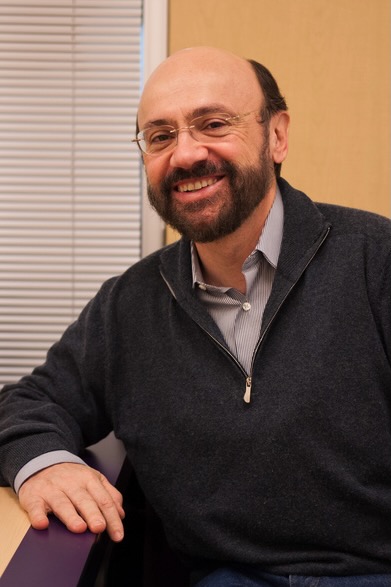
Andrei Zary Broder
Co-inventor of the first practical test to prevent robots from masquerading as humans and accessing web sites — often referred to as CAPTCHA — Broder has served as a Distinguished Scientist at...
Elwyn Ralph Berlekamp
Known for his work in information theory and combinatorial game theory, Berlekamp was one of the inventors of the Welch–Berlekamp and Berlekamp–Massey algorithms, which are used to implement Reed–Solomon error correction. While an...
Steve Mann
Pioneer in the development of wearable computers and reality mediators in research towards cybernetics, Mann has been one of the founding members of the Wearable Computers group in the Media Lab at...

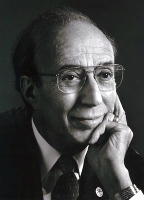
Herman Heine Goldstine
One of the original developers of the ENIAC, Goldstine left the University of Michigan, where he was a professor, in July 1942 to enlist in the Army after the United States entered...
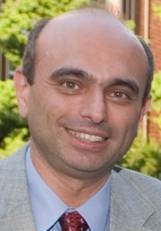
Roberto Tamassia
Pioneer in the field of graph drawing and major contributor to the design of graph and geometric algorithms, Tamassia has served as Plastech Professor of Computer Science at Brown University in Providence,...
Ellis L. Johnson
Founder and manager of the Optimization Center at IBM, Johnson made fundamental contributions to integer programming and combinatorial optimization. He served as Professor Emeritus and the Coca-Cola Chaired Professor in the H....
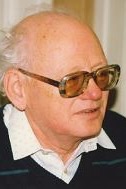
Georgy Adelson-Velsky
Co-inventor of the AVL tree and head developer of the Kaissa chess computer, Adelson-Velsky made foundational contributions to both computer science and computer chess. In 1962, Georgy and E.M. Landis published a...
-
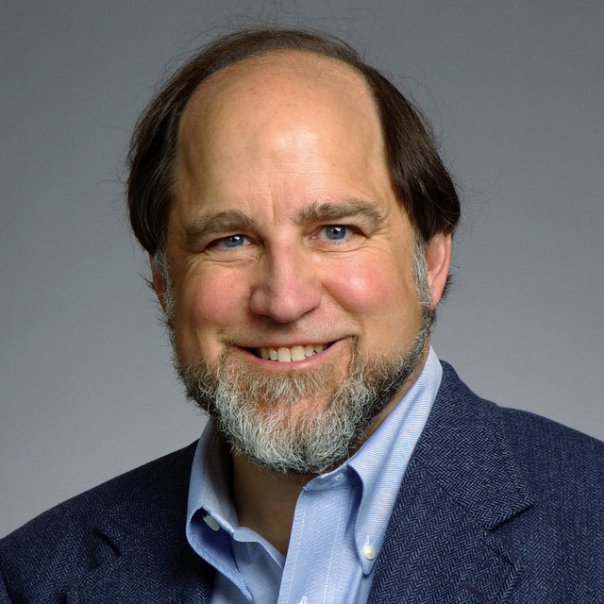
Ronald Linn Rivest
One of the inventors of the RSA algorithm (along with Adi Shamir and Len Adleman), Rivest has made ingenious contributions to making public-key cryptography useful in practice. He also invented the symmetric...
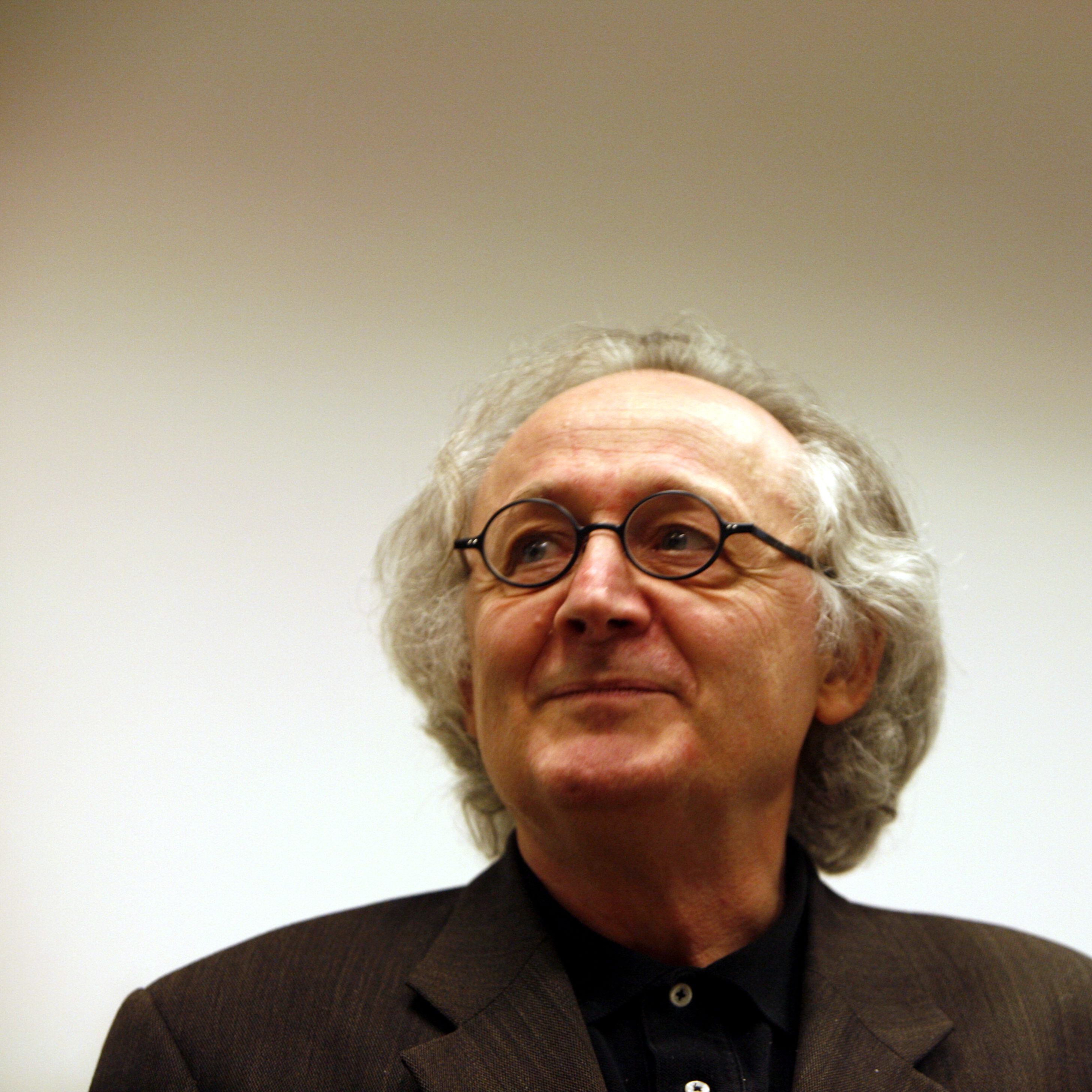
Patrick Cousot
Co-inventor of Abstract Interpretation, a theory of sound approximation of mathematical structures, Cousot developed this influential technique in formal methods together with his wife Radhia in 1975. In the 2000s, he worked...
Tim Roughgarden
Noted for his work in network data loss, Roughgarden introduced novel techniques that quantified the lost efficiency associated with the uncoordinated behavior of network users who acted in their own self-interest, building...
Jozef Gruska
A pioneer in the theory of quantum computing and organizing activities in the field, Gruska graduated in mathematics from Commenius University in Bratislava and received a Ph.D. in Computer Science from the...
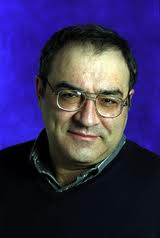
Leonid Genrikhovich Khachiyan
Known for his Ellipsoid Algorithm for linear programming, Khachiyan proved the existence of an efficient way to solve linear programming problems thought to be intractable until that time. His 1979 breakthrough dealt...
-
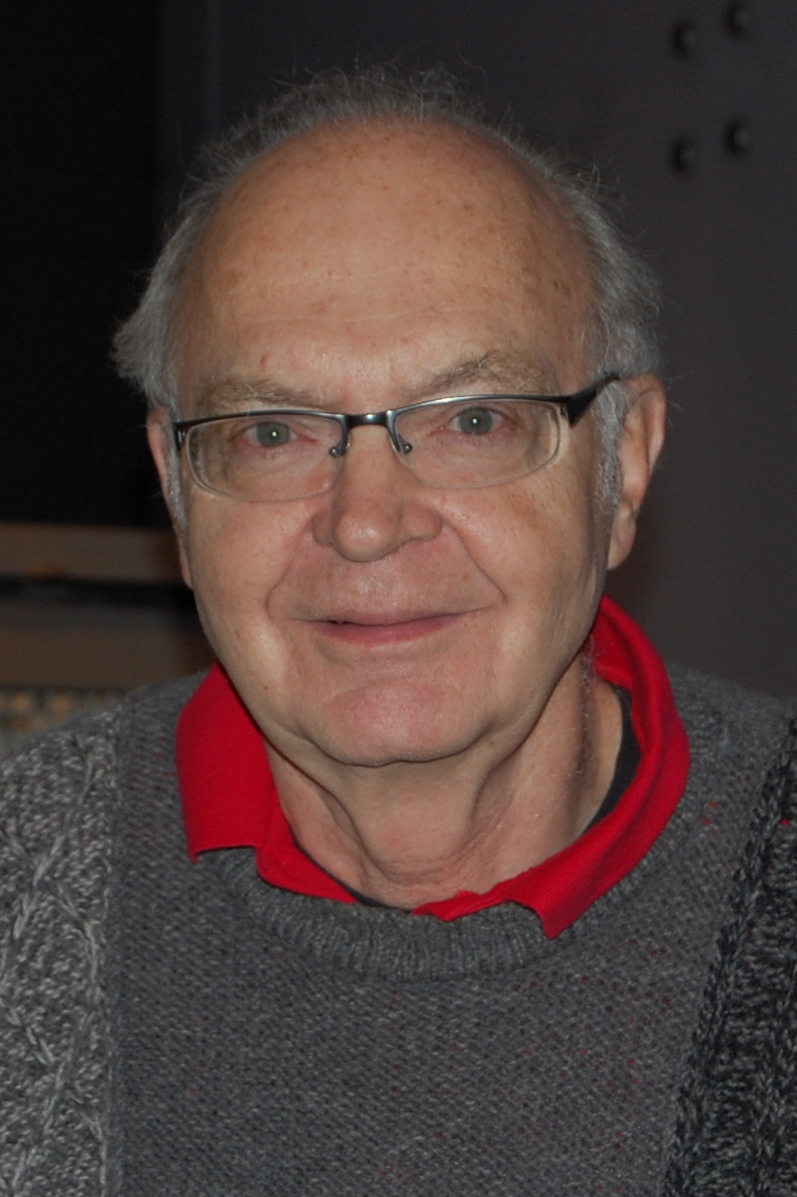
Donald Ervin Knuth
Author of the landmark series *The Art of Computer Programming*, Knuth is renowned for his contributions to the analysis of algorithms and the design of programming languages. He has served as Professor...
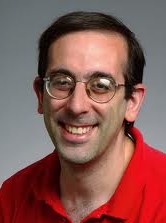
David R. Karger
Developer of the fastest minimum spanning tree algorithm to date, Karger is also known for Karger's algorithm, a Monte Carlo method to compute the minimum cut of a connected graph. His work...
Amir Pnueli
Pioneer of temporal logic in computing science, Pnueli made a major breakthrough in the verification and certification of concurrent and reactive systems with his landmark 1977 paper "The Temporal Logic of Programs,"...
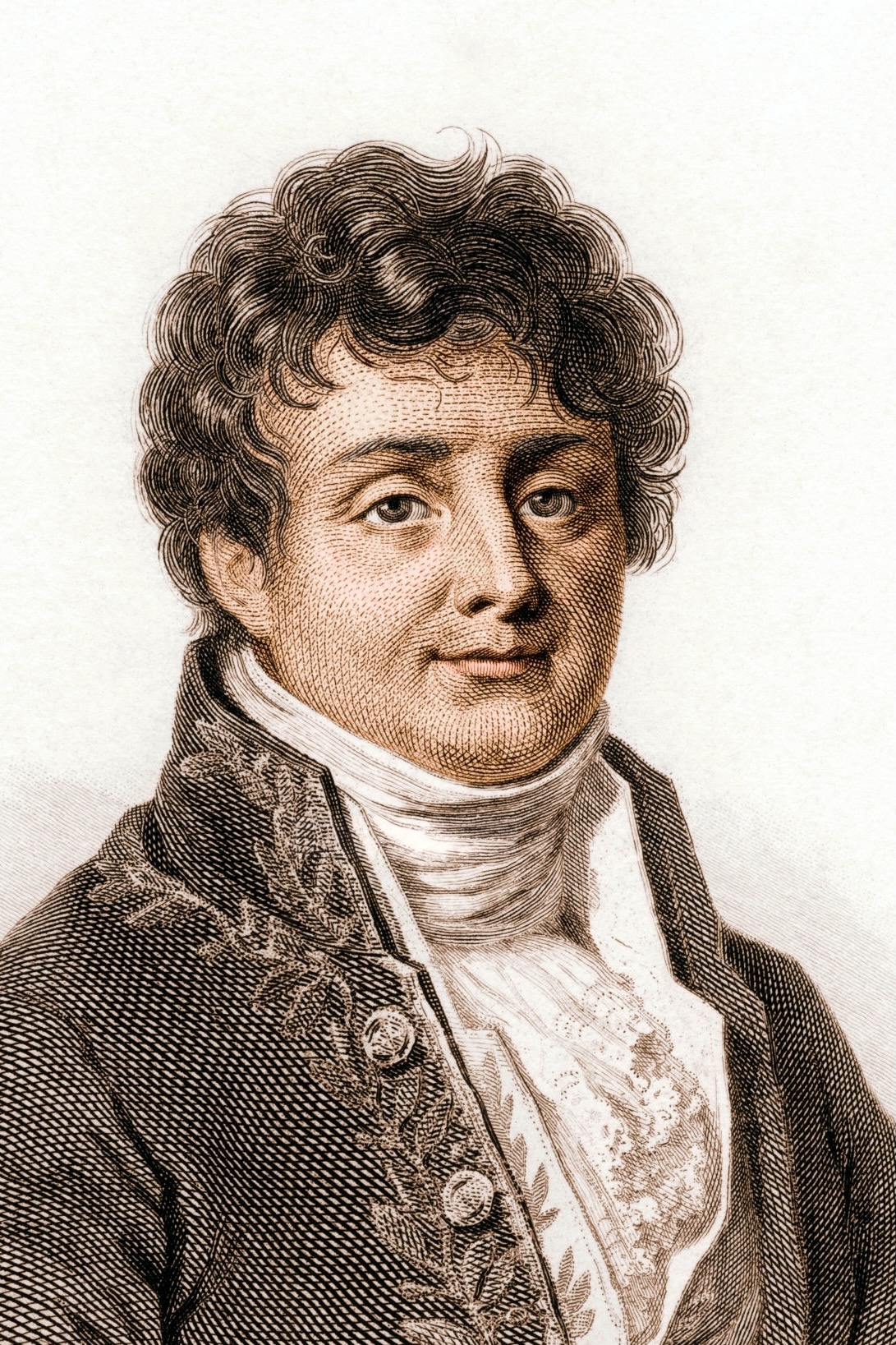
Jean Baptiste Joseph Fourier
Best known for initiating the investigation of Fourier series and their applications to problems of heat transfer and vibrations, Fourier left an unfinished work on determinate equations which was edited by Claude-Louis...
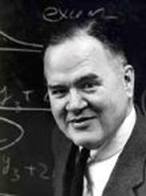
John Wilder Tukey
Known for his contributions to the spectral analysis of random processes and the fast Fourier transform (FFT) algorithm, Tukey left a profound mark on modern statistics and signal processing. During World War II,...
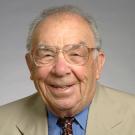
Robert Mano Fano
Known principally for his work in information theory and the invention of Shannon-Fano coding, Fano was a computer scientist and professor emeritus of Electrical Engineering and Computer Science at Massachusetts Institute of...
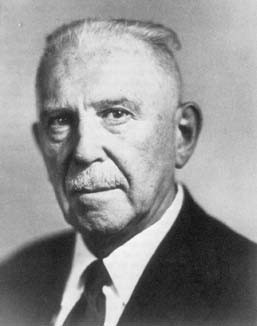
Solomon Lefschetz
Developer of the Lefschetz fixed point theorem, now a basic result of topology, Lefschetz did fundamental work on algebraic topology, its applications to algebraic geometry, and the theory of non-linear ordinary differential...