Honor Database
Displaying 221 – 240 of 269 Honorees (Category: Mathematics, with portraits)
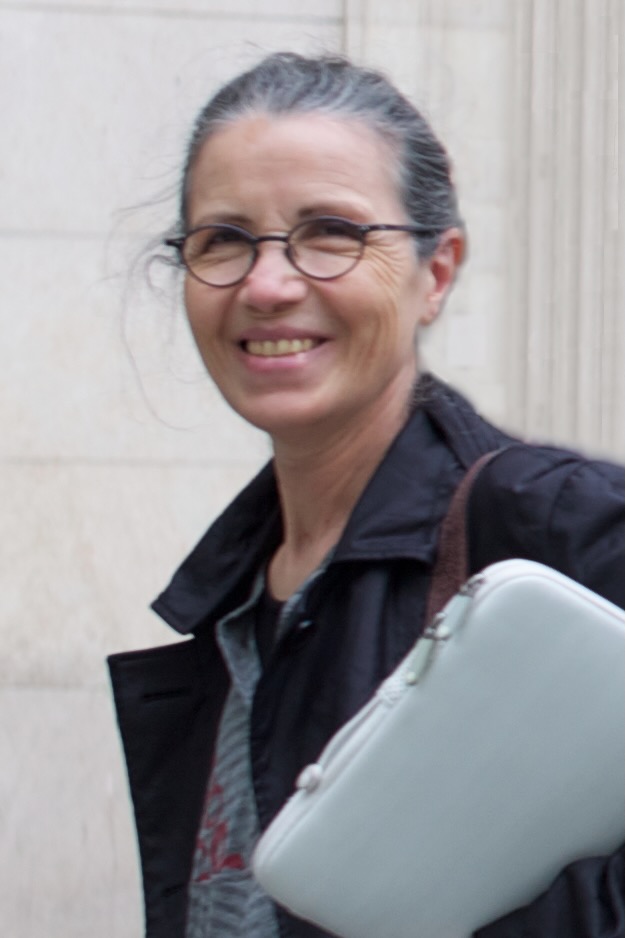
Radhia Cousot
Co-inventor of Abstract Interpretation, Cousot was a French computer scientist who, together with her husband Patrick, developed an influential technique in formal methods based on three main ideas. 1) Any reasoning/proof/static analysis...
Daniel A. Hitchcock
Leader of the effort to expand the Magnetic Fusion Energy Computing Center into NERSC, widely regarded as the best-managed High Performance Computing Center in the world, Hitchcock joined the Department of Energy...
Roberto Tamassia
Pioneer in the field of graph drawing and major contributor to the design of graph and geometric algorithms, Tamassia has served as Plastech Professor of Computer Science at Brown University in Providence,...
Eugene Edward McDonnell
Designer of IBM's first Time-Sharing system, which became a very early host to IVSYS, a predecessor of APL, McDonnell was a Computer Science pioneer and long-time contributor to the programming languages APL...
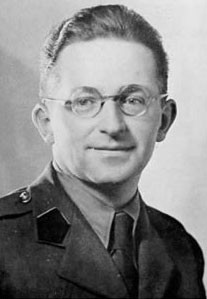
Marian Adam Rejewski
Solver of the plugboard-equipped Enigma machine, the main cipher device used by Germany, Rejewski was a Polish mathematician and cryptologist who accomplished this feat in 1932. His success, along with his colleagues...
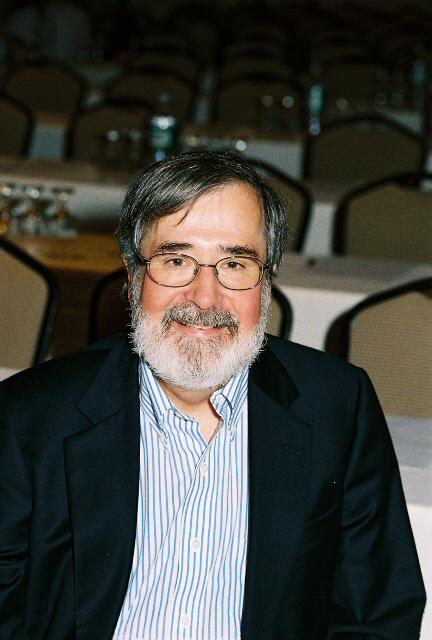
Edmund Melson Clarke, Jr.
Developer of model checking, Clarke pioneered a method for formally verifying hardware and software designs. In his Ph.D. thesis he proved that certain programming language control structures did not have good Hoare...
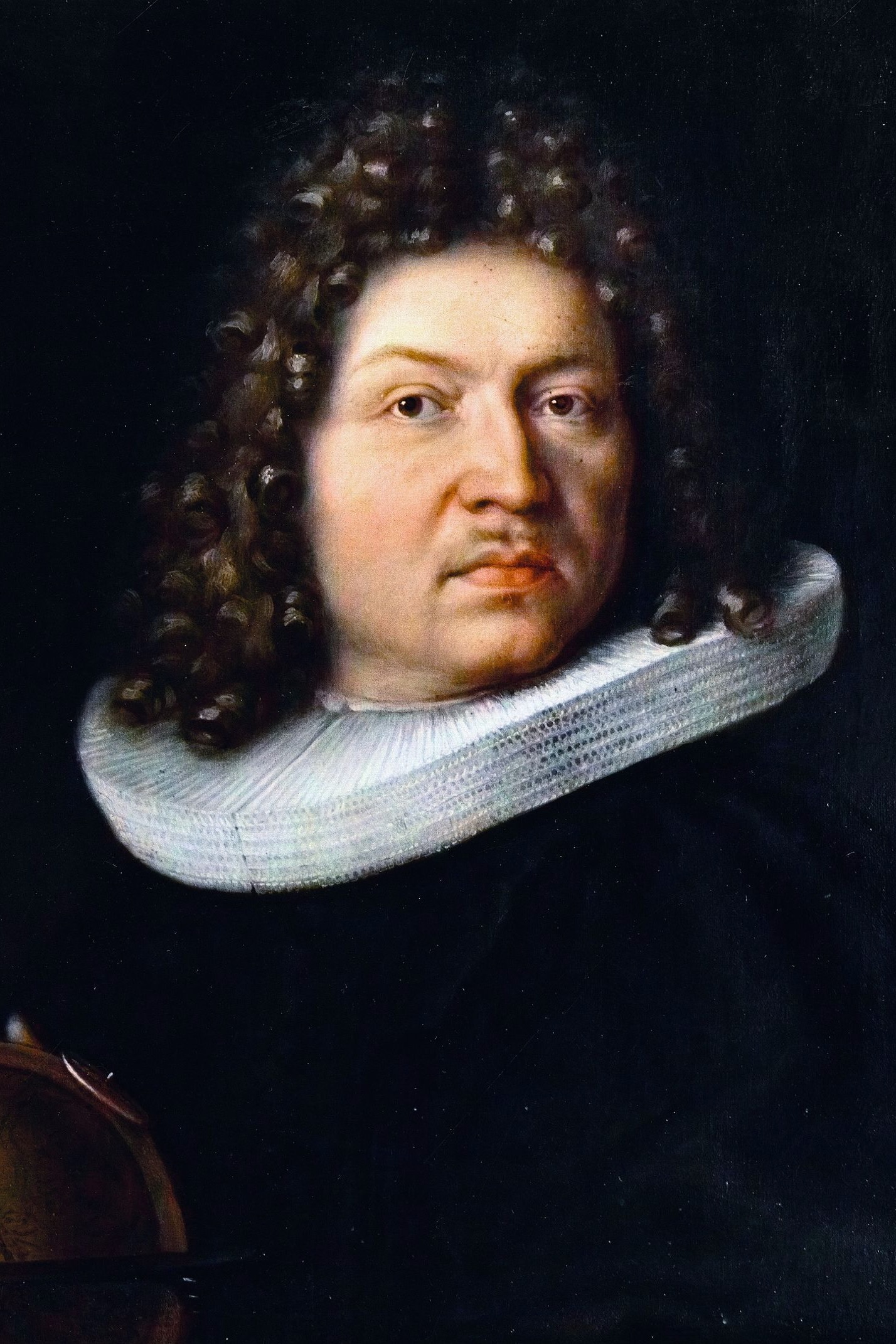
Jacob Bernoulli
Known for numerous mathematical landmarks including Bernoulli Numbers and the Bernoulli Differential Equation, Bernoulli became familiar with calculus through a correspondence with Gottfried Leibniz, then collaborated with his brother Johann on various...

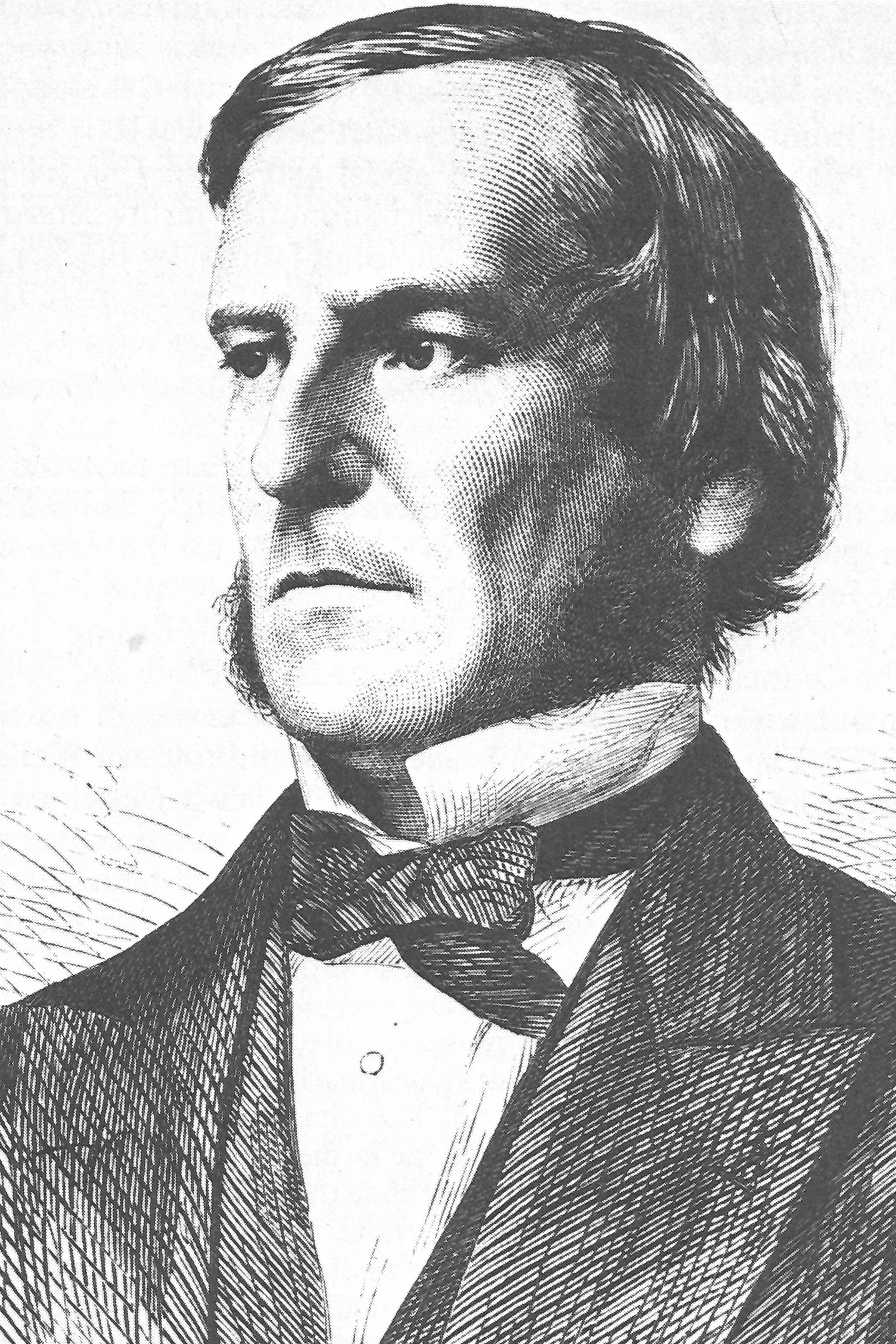
George Boole
Inventor of Boolean logic, Boole was one of the most influential mathematicians in history. His father, John Boole (1779–1848), was a tradesman of limited means, but of "studious character and active mind"....
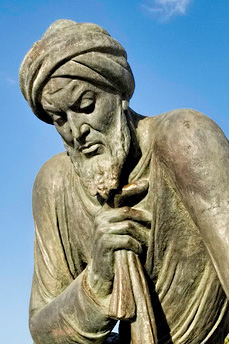
Muhammad ibn Musa al-Khwārizmī
Presenter of the first systematic solution of linear and quadratic equations in Arabic, al-Khwārizmī was a Persian mathematician, astronomer, and geographer—a scholar in the House of Wisdom in Baghdad whose life spanned...
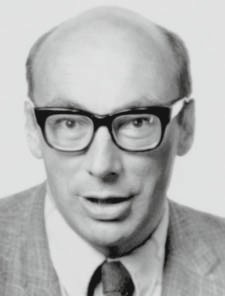
Peter John Landin
One of the first to realize that the lambda calculus could be used to model a programming language, Landin made contributions essential to the development of both functional programming and denotational semantics....
Karl Kempf
Pioneer in applying advanced mathematics to industrial and engineering challenges, Kempf is best known for heading a group of mathematicians at Stanford University who built computer models allowing Intel to design financial...
-

Evelyn Boyd Granville
Part of the IBM team responsible for formulating orbit computations and computer procedures for NASA's Projects Vanguard and Mercury, Granville was also one of the first African-American women to receive a Ph.D....
-
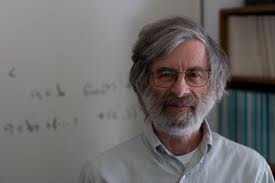
Leslie Lamport
Known for his seminal work in distributed systems and as the initial developer of LaTeX, Lamport is a prominent computer scientist and mathematician. A graduate of the Bronx High School of Science, he...
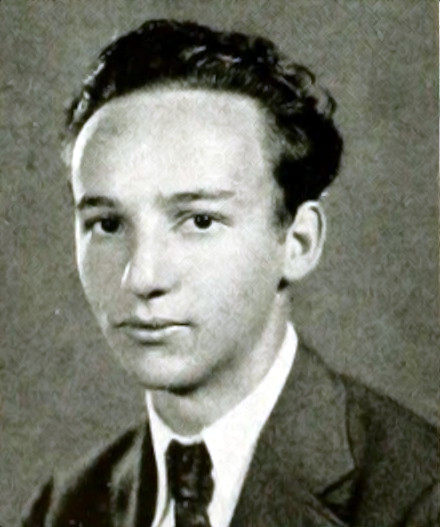
George Bernard Dantzig
Known for developing the simplex algorithm for solving linear programming problems, Dantzig was a major contributor in operations research, computer science, and statistics. He also worked with linear programming, some years after...
-
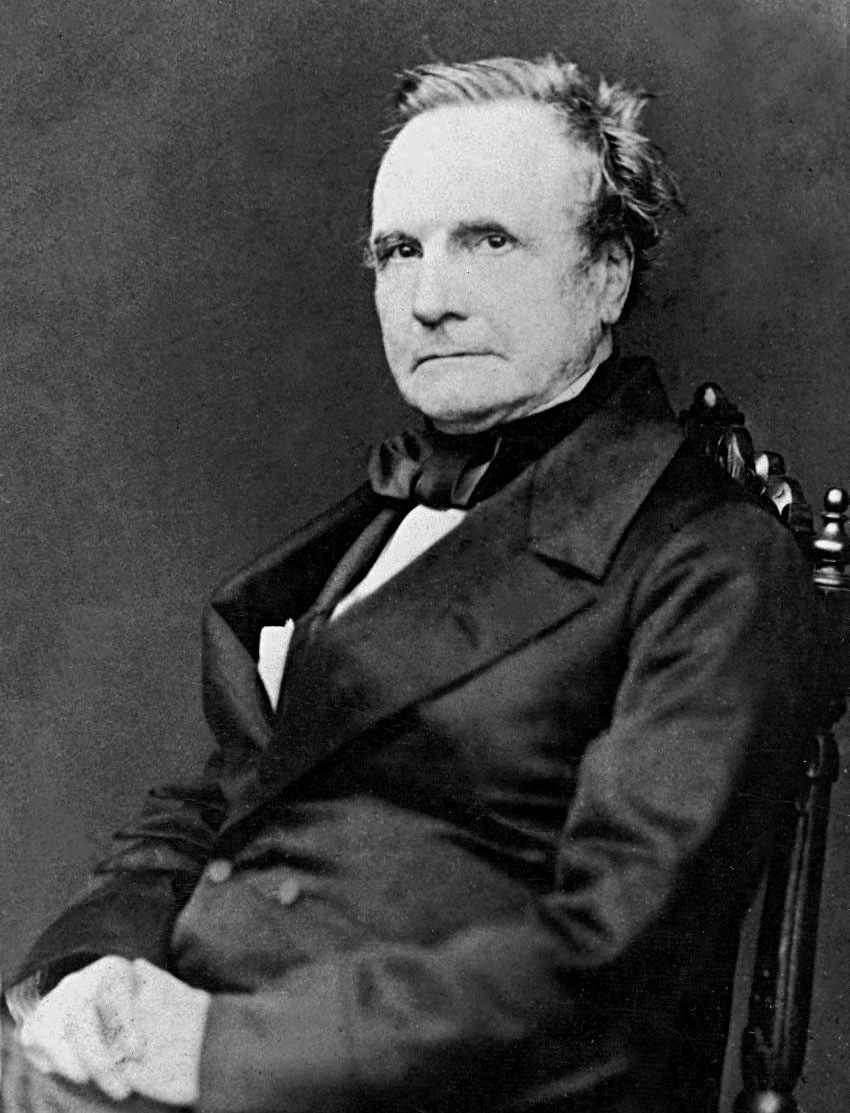
Charles Babbage
Designer of the first mathematical computer, Babbage was an English mathematician, philosopher, inventor, and mechanical engineer who originated the concept of a programmable computer. Parts of his uncompleted mechanisms are on display...
-
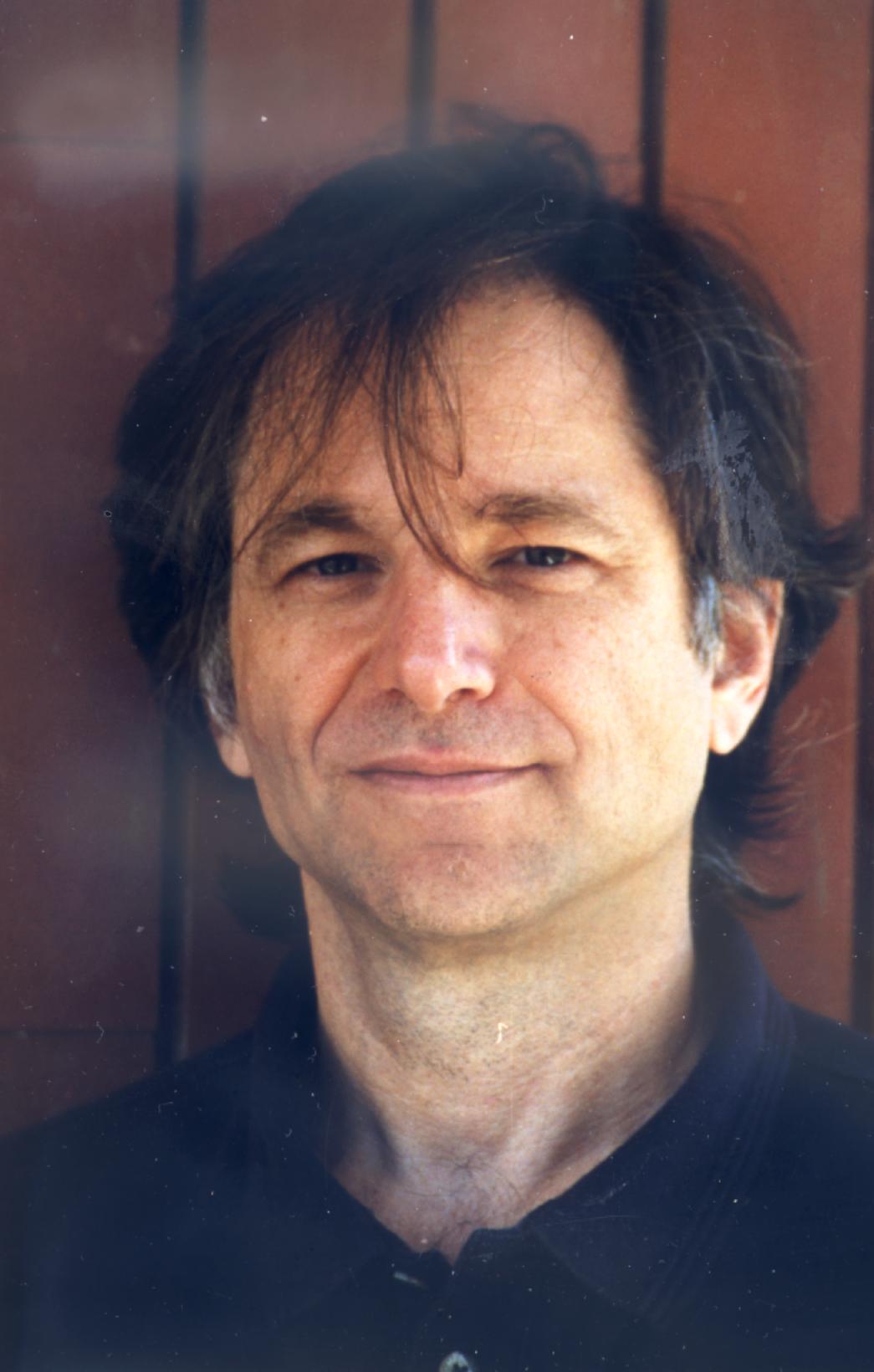
Leonard Max Adleman
Co-inventor of the RSA (Rivest-Shamir-Adleman) cryptosystem, Adleman is a theoretical computer scientist and professor of computer science and molecular biology at the University of Southern California. RSA is in widespread use in...
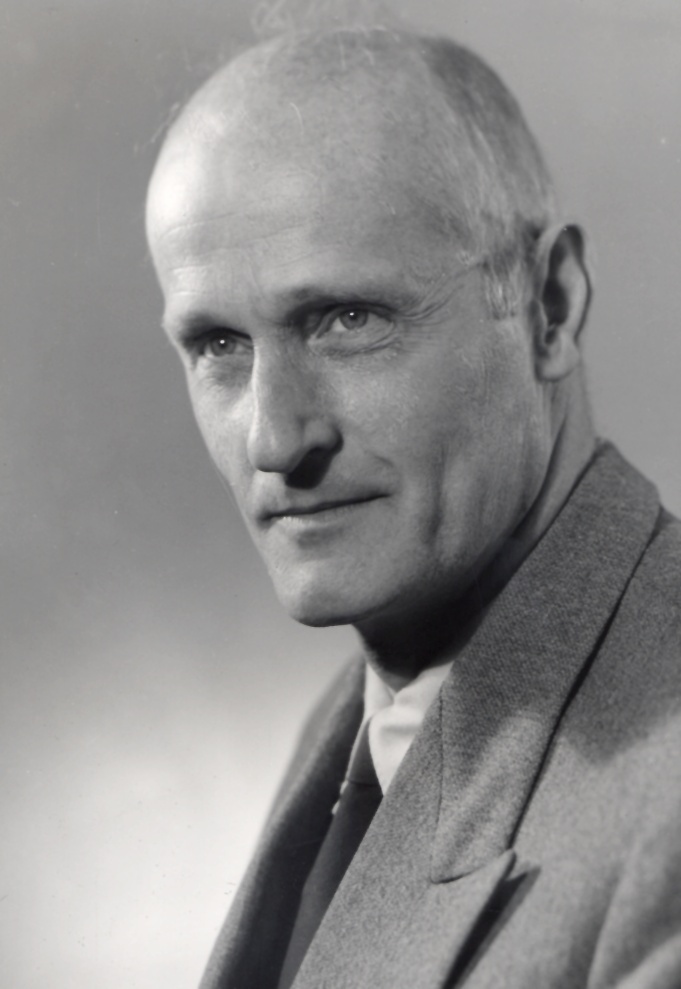
Stephen Cole Kleene
American mathematician who helped lay the foundations for theoretical computer science, Kleene was best known as a founder of the branch of mathematical logic known as recursion theory. One of many distinguished...
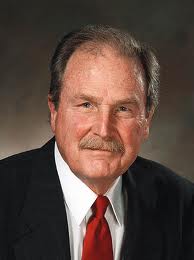
David Albert Huffman
Best known for his legendary Huffman code, a compression scheme for lossless variable length encoding, Huffman joined the faculty at MIT in 1953. He was awarded the Louis E. Levy Medal in...
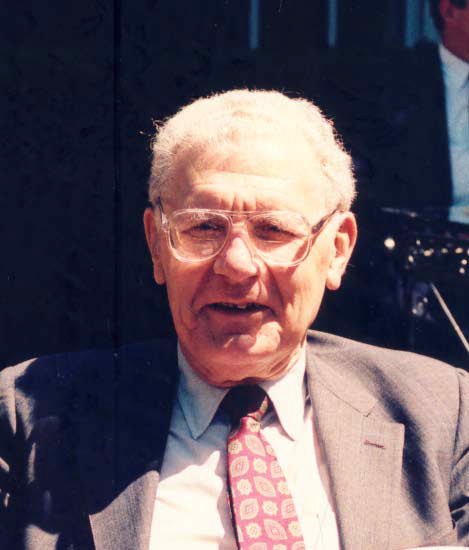
Russell Lincoln Ackoff
Recognized as the "Father of Operations Research" for helping establish one of the world's first Departments of Operations Research, Ackoff is also celebrated internationally as a pragmatic academic, systems thinker, and prolific...

James (J.H.) Hardy Wilkinson
A prominent researcher in numerical analysis to facilitate the use of the high-speed digital computer, Wilkinson received the Turing Award in 1970 "for his research in numerical analysis to facilitate the use...