Honor Database
Displaying 241 – 260 of 269 Honorees (Category: Mathematics, with portraits)
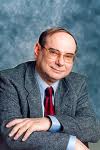
Amir Pnueli
Pioneer of temporal logic in computing science, Pnueli made a major breakthrough in the verification and certification of concurrent and reactive systems with his landmark 1977 paper "The Temporal Logic of Programs,"...
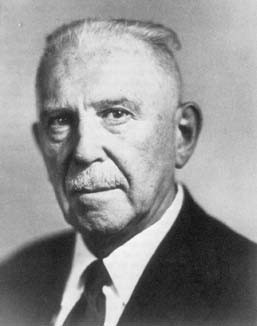
Solomon Lefschetz
Developer of the Lefschetz fixed point theorem, now a basic result of topology, Lefschetz did fundamental work on algebraic topology, its applications to algebraic geometry, and the theory of non-linear ordinary differential...
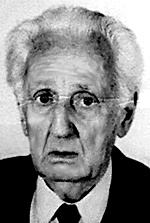
Lubomir Georgiev Iliev
Pioneer of computing in Bulgaria and of abstract mathematics, Iliev was born in Samokov. He graduated from Sofia University in 1908, became a professor in 1925, and earned a PhD in Mathematical...
Robert W. Floyd
Having a clear influence on methodologies for the creation of efficient and reliable software, Floyd made lasting contributions to computer science across several areas. His contributions included the design of Floyd's algorithm,...
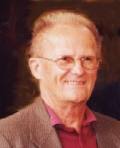
Jorma J. Rissanen
Known for inventing arithmetic coding and the minimum description length principle, Rissanen was an IBM researcher from 1960 who received his Ph.D. from the Helsinki University of Technology in 1965. After retiring...
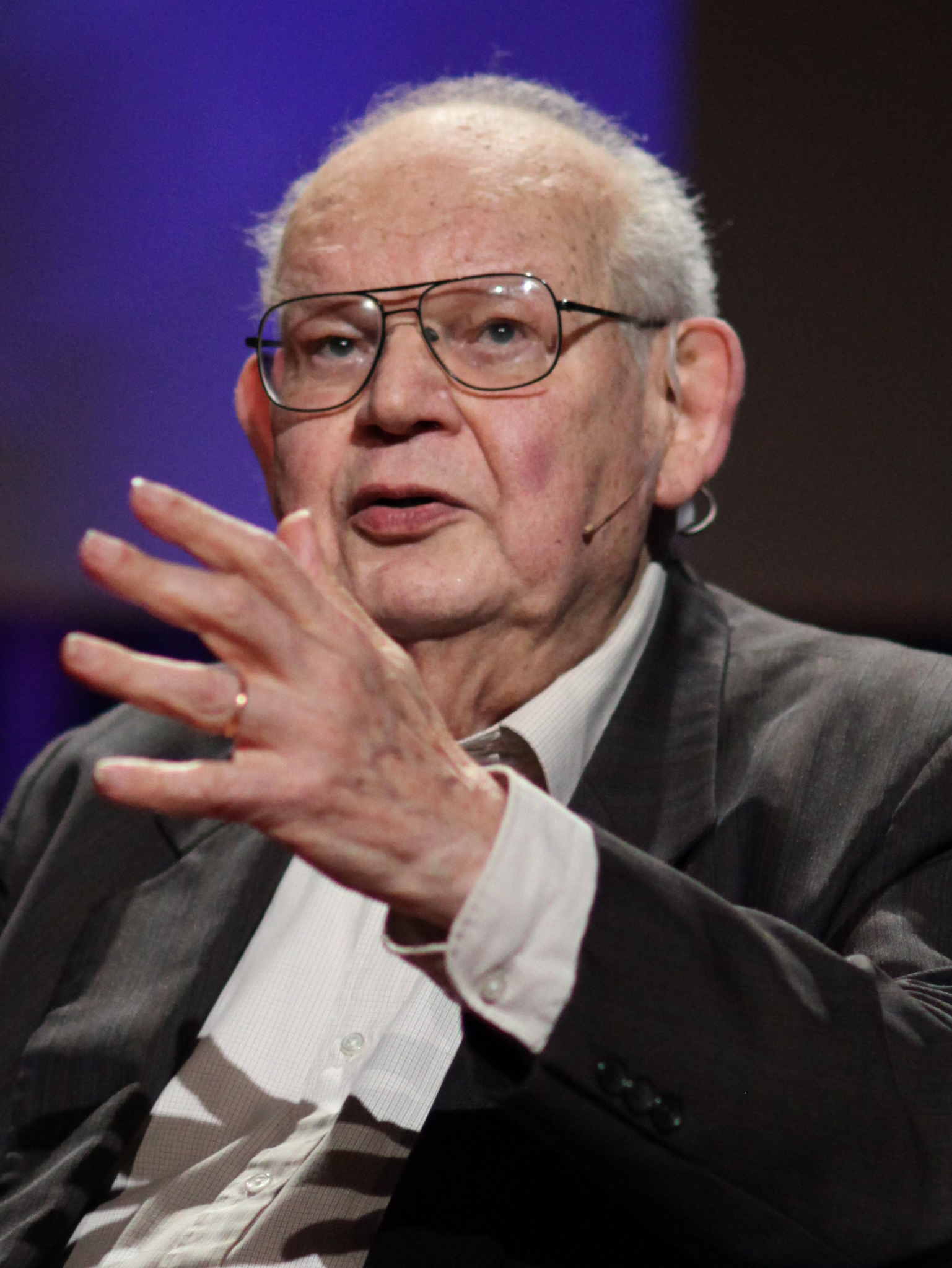
Benoît B. Mandelbrot
Discoverer of the Mandelbrot set of intricate, never-ending fractal shapes — said to be "one of the most astonishing discoveries in the entire history of mathematics" — Mandelbrot also developed a "theory...
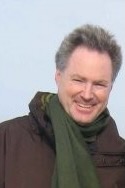
Eric Horvitz
Recognized for playing a significant role in establishing the credibility of artificial intelligence, Horvitz has also helped establish the link between artificial intelligence and decision science. Horvitz coined the concept of bounded...
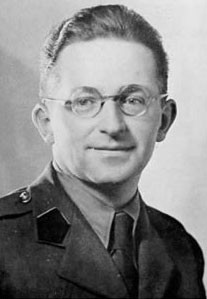
Marian Adam Rejewski
Solver of the plugboard-equipped Enigma machine, the main cipher device used by Germany, Rejewski was a Polish mathematician and cryptologist who accomplished this feat in 1932. His success, along with his colleagues...
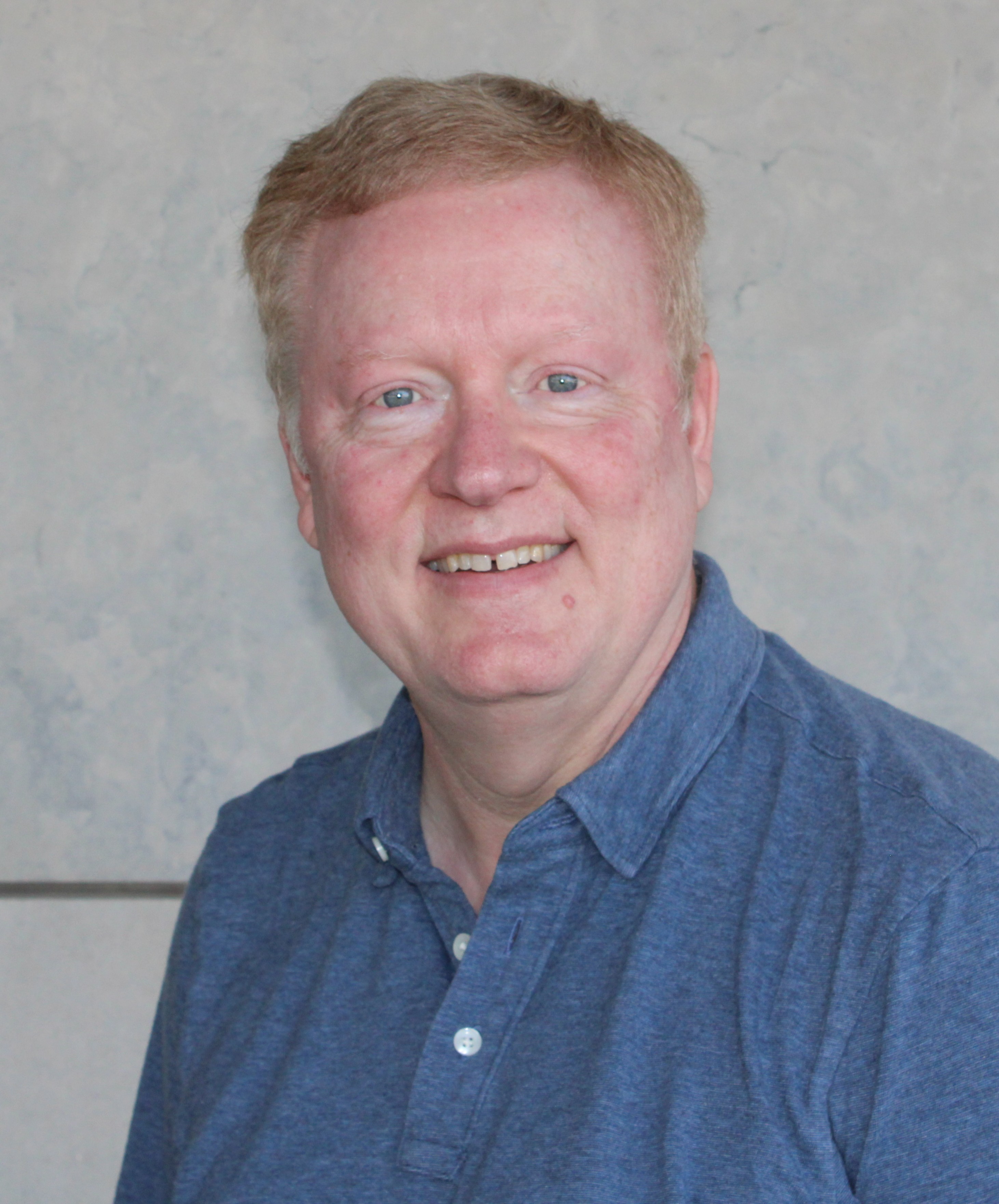
Michael T. Goodrich
Pioneer and research leader on efficient parallel and distributed solutions, Goodrich has served as a Chancellor's Professor and chair of the Department of Computer Science of the Donald Bren School of Information...

Herman Heine Goldstine
One of the original developers of the ENIAC, Goldstine left the University of Michigan, where he was a professor, in July 1942 to enlist in the Army after the United States entered...
Harry Max Markowitz
Co-developer of SIMSCRIPT, the first simulation programming language, Markowitz also received the Nobel Memorial Prize in Economic Sciences in 1990 while a professor of finance at Baruch College of the City University...
Antonin Svoboda
Czech computer scientist and creator of fault-tolerant computer design, Svoboda was one of the most influential scientists in the 20th century. He was born in Prague in 1907. Attending a series of...
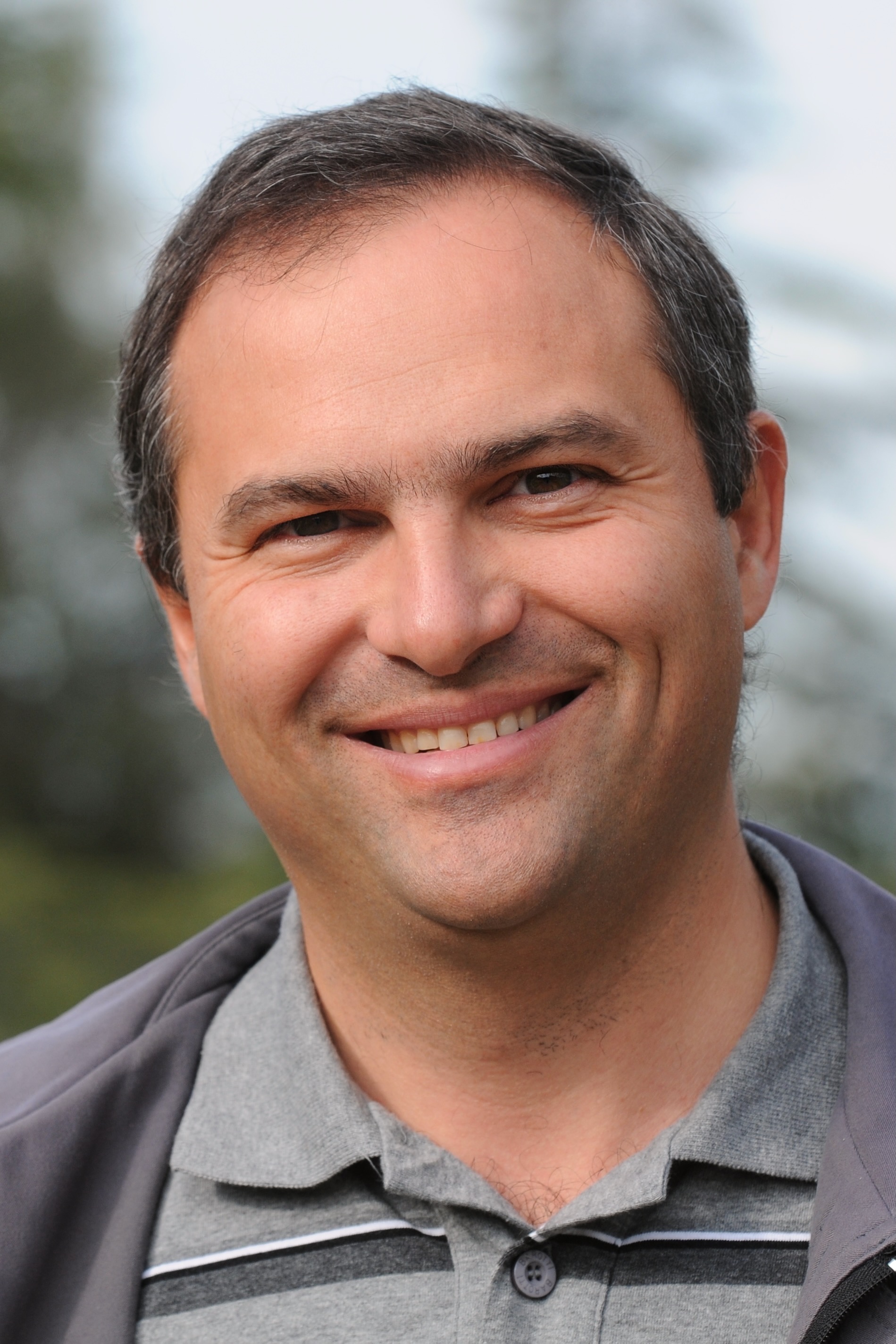
George Ciprian Necula
Known for his influential Ph.D. thesis first describing proof-carrying code, Necula completed his doctorate at Carnegie Mellon University under programming languages researcher Peter Lee. Originally from Baia Mare, Romania, he attended the...
-
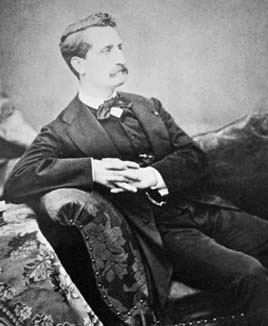
Victor Mayer Amédée Mannheim
Inventor of the modern slide rule, Mannheim standardized the design that remained in common use until pocket calculators took over. After graduating from the École d'Application in Metz, Mannheim became an officer of...
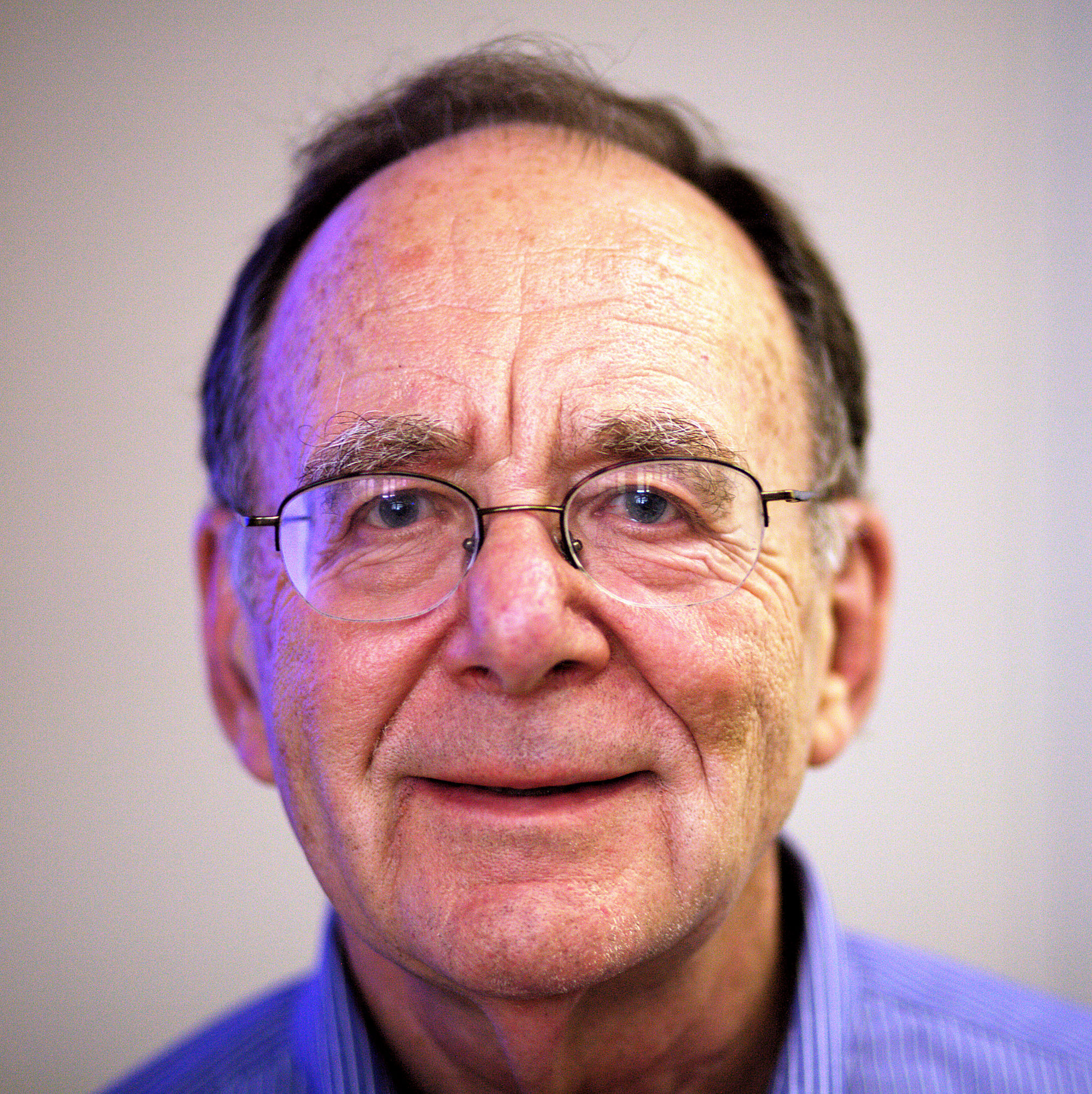
Richard (Dick) Manning Karp
Co-publisher with John Hopcroft of the Hopcroft–Karp algorithm, still the fastest known method for finding maximum cardinality matchings in bipartite graphs, Karp is a computer scientist and computational theorist at the University...
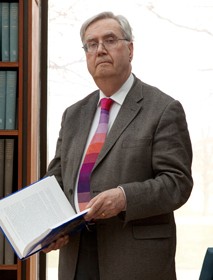
Peter Goddard
A mathematical physicist who helped establish a permanent Archives Center at the IAS, Goddard is known for his contributions to string theory and conformal field theory, including the no-ghost theorem (proved together...
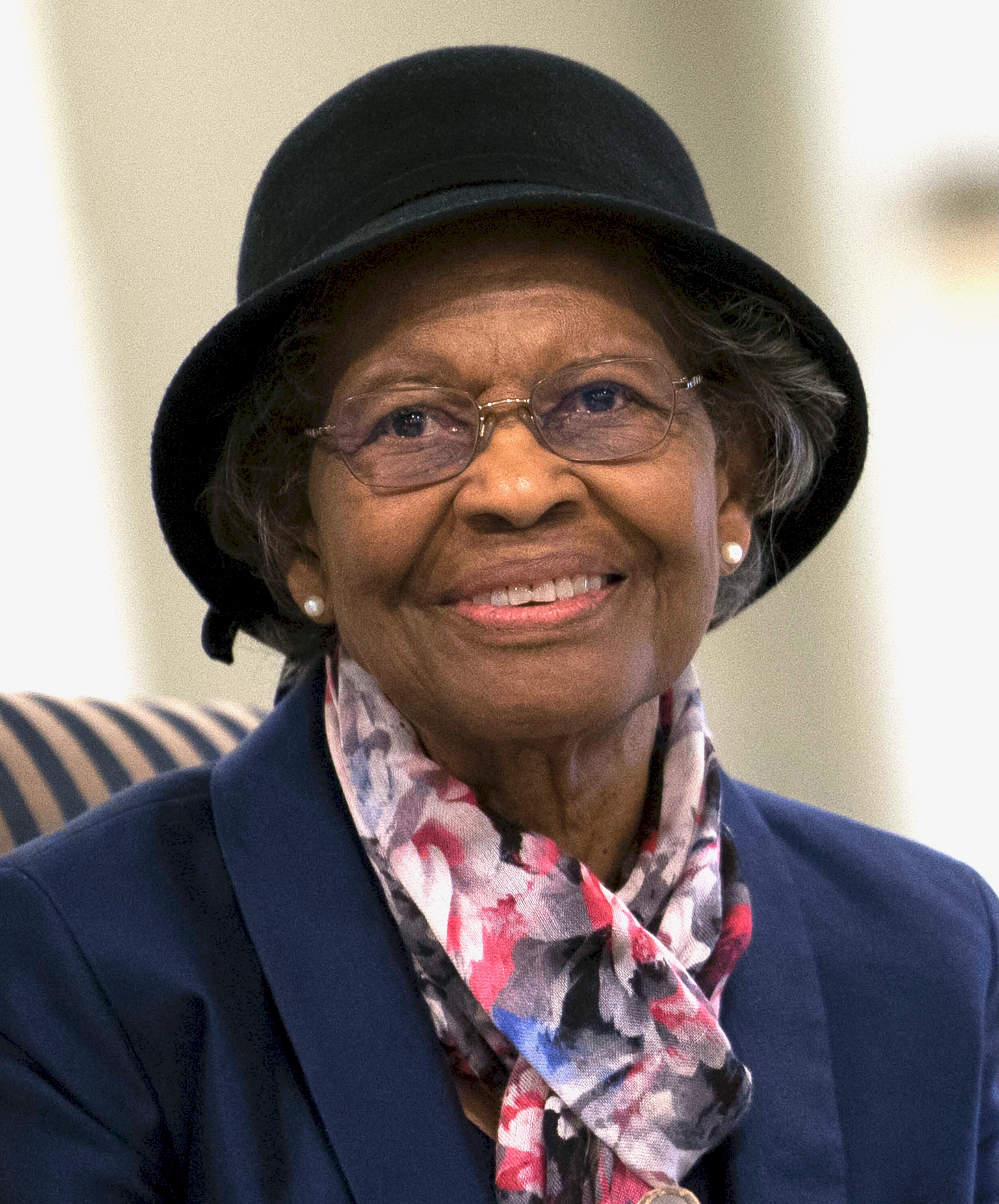
Gladys West
Recognized for her contributions to mathematical modeling of the shape of the Earth, West was an African American mathematician whose work on satellite geodesy models was later incorporated into the Global Positioning...
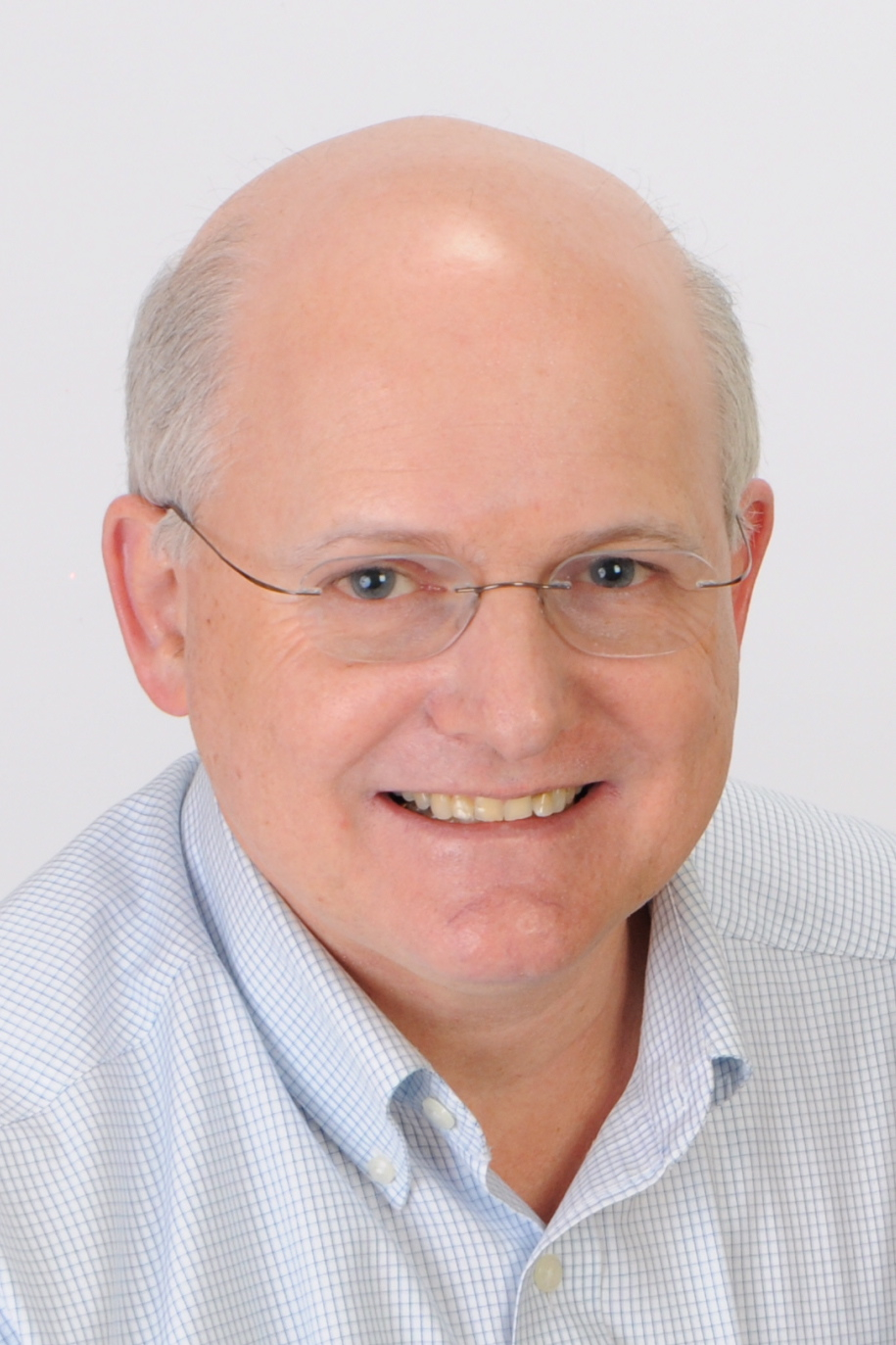
Charles Eric Leiserson
Inventor of the fat-tree interconnection network, a hardware-universal interconnection network used in many supercomputers, Leiserson is also a pioneer developer of VLSI theory. He designed the fat-tree for the Connection Machine CM5,...
James William Cooley
Co-developer of the Fast Fourier Transform, Cooley made one of the most significant contributions to mathematics and digital signal processing in the twentieth century. Cooley was born and raised in New York City....
A.J. Han Vinck
Recipient of the IEEE ISPLC2006 Achievement award for his contributions to Power Line Communications, Vinck has also held a chair for Digital Communications at the Institute for Experimental Mathematics at the University...