Honor Database
Displaying 61 – 80 of 269 Honorees (Category: Mathematics, with portraits)
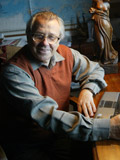
Jozef Gruska
A pioneer in the theory of quantum computing and organizing activities in the field, Gruska graduated in mathematics from Commenius University in Bratislava and received a Ph.D. in Computer Science from the...
A.J. Han Vinck
Recipient of the IEEE ISPLC2006 Achievement award for his contributions to Power Line Communications, Vinck has also held a chair for Digital Communications at the Institute for Experimental Mathematics at the University...
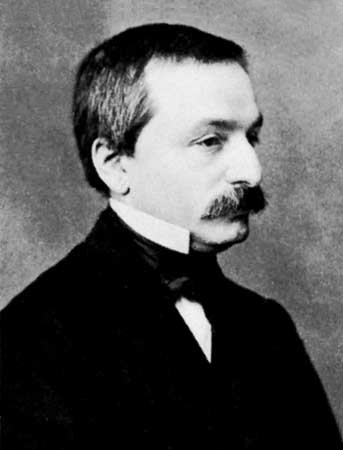
Leopold Kronecker
A contributor to the concept of continuity and the reconstruction of irrational numbers in real numbers, Kronecker was a German mathematician who worked on number theory and algebra. He was born in...
Eugene Edward McDonnell
Designer of IBM's first Time-Sharing system, which became a very early host to IVSYS, a predecessor of APL, McDonnell was a Computer Science pioneer and long-time contributor to the programming languages APL...
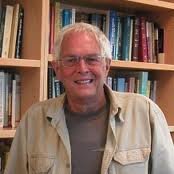
Thomas M. Cover
Known for developing the relationship between information theory and statistics, Cover served as past President of the IEEE Information Theory Society and was a Fellow of the Institute for Mathematical Statistics and...

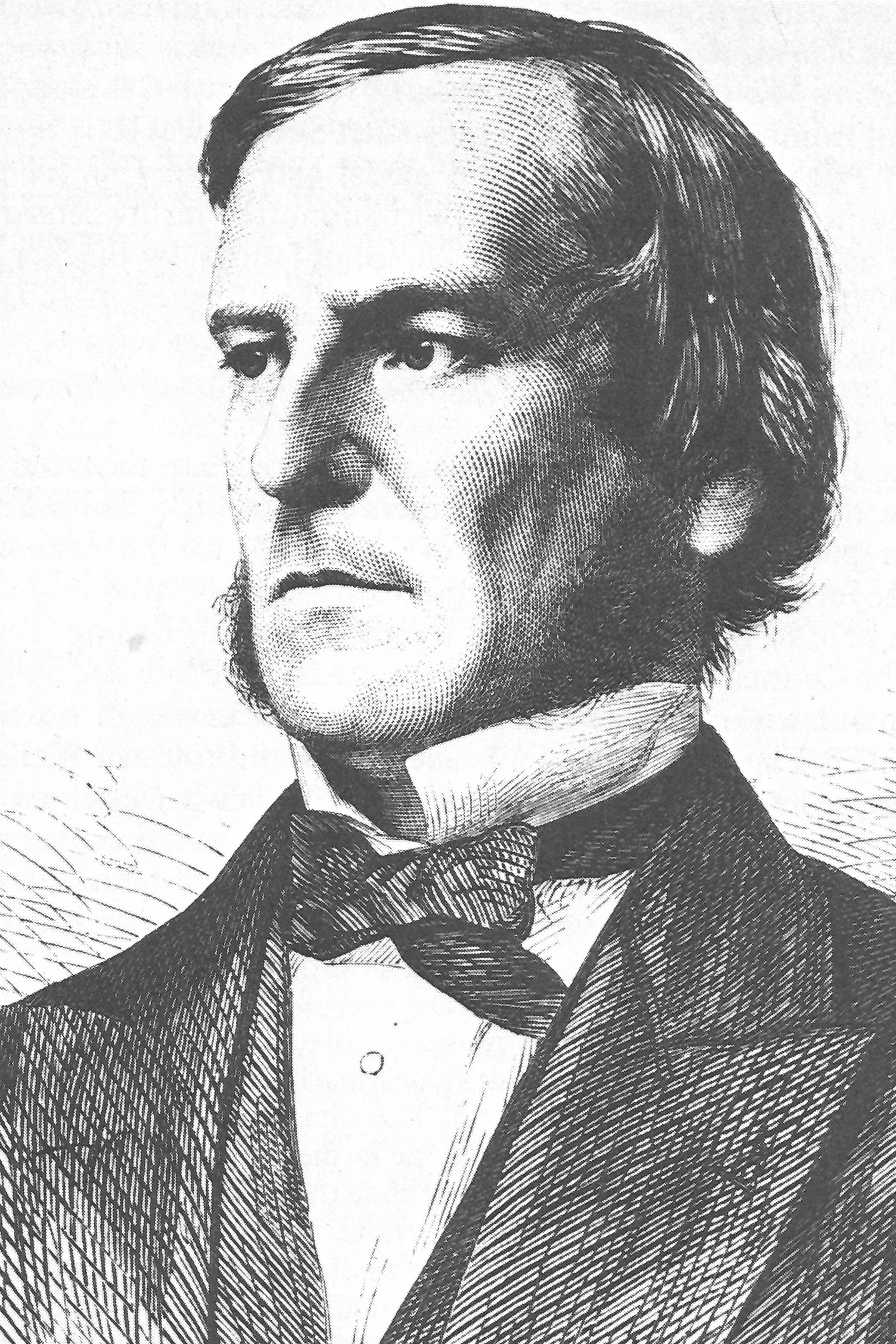
George Boole
Inventor of Boolean logic, Boole was one of the most influential mathematicians in history. His father, John Boole (1779–1848), was a tradesman of limited means, but of "studious character and active mind"....
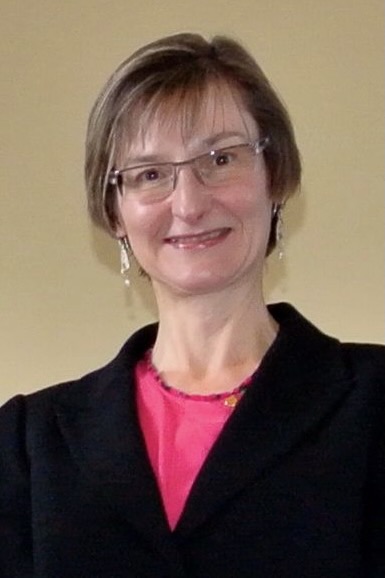
Muffy Calder
Chief Scientific Advisor to the Scottish Government from 2012 to 2015, Calder was a Canadian-born British computer scientist and Professor of Formal Methods at the University of Glasgow. She also served as...
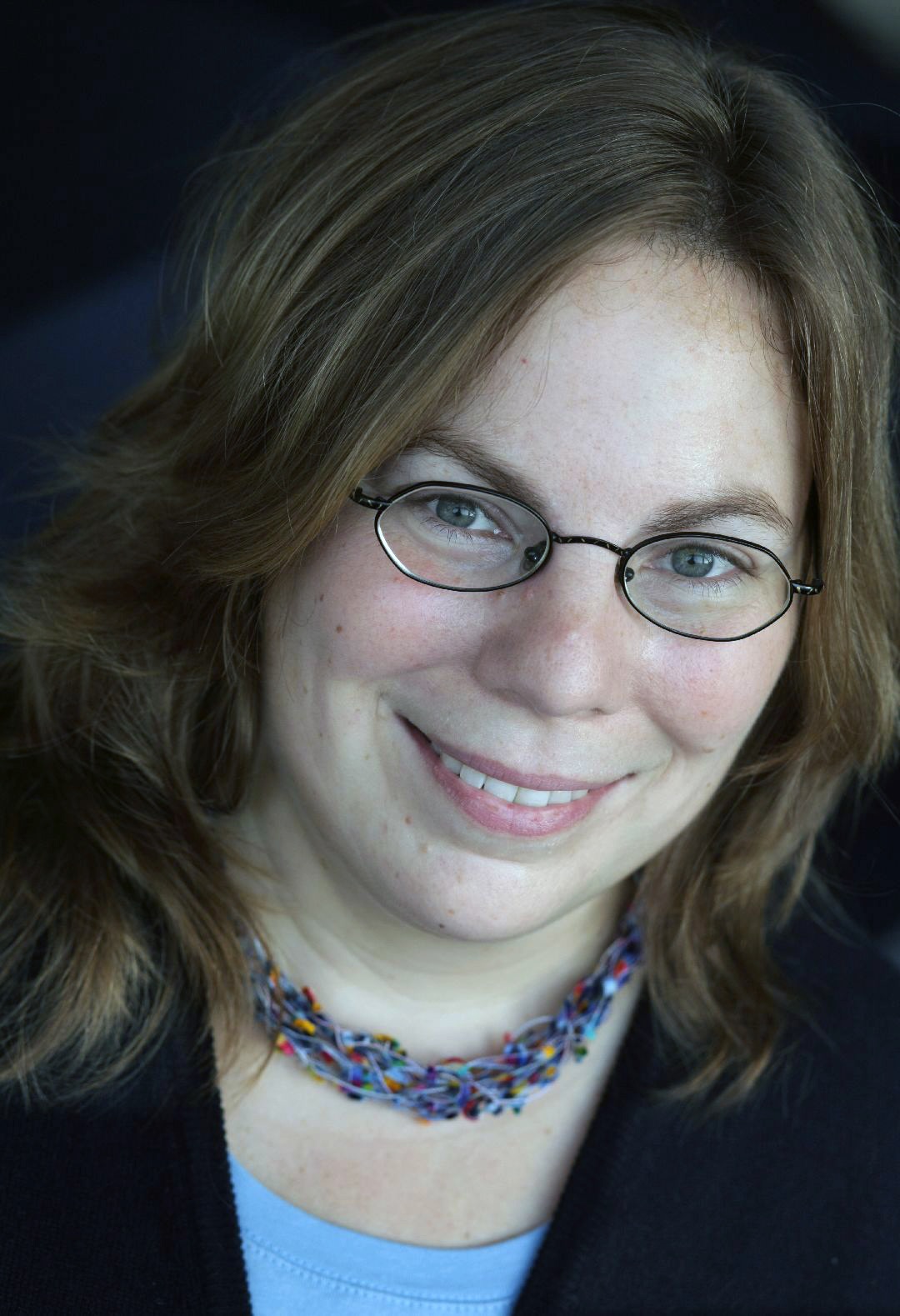
Bettina Speckmann
Speckmann headed the Applied Geometric Algorithms group at Eindhoven University of Technology and was a professor in the Department of Mathematics and Computer Science in Eindhoven, Netherlands. Her research focused on computational...
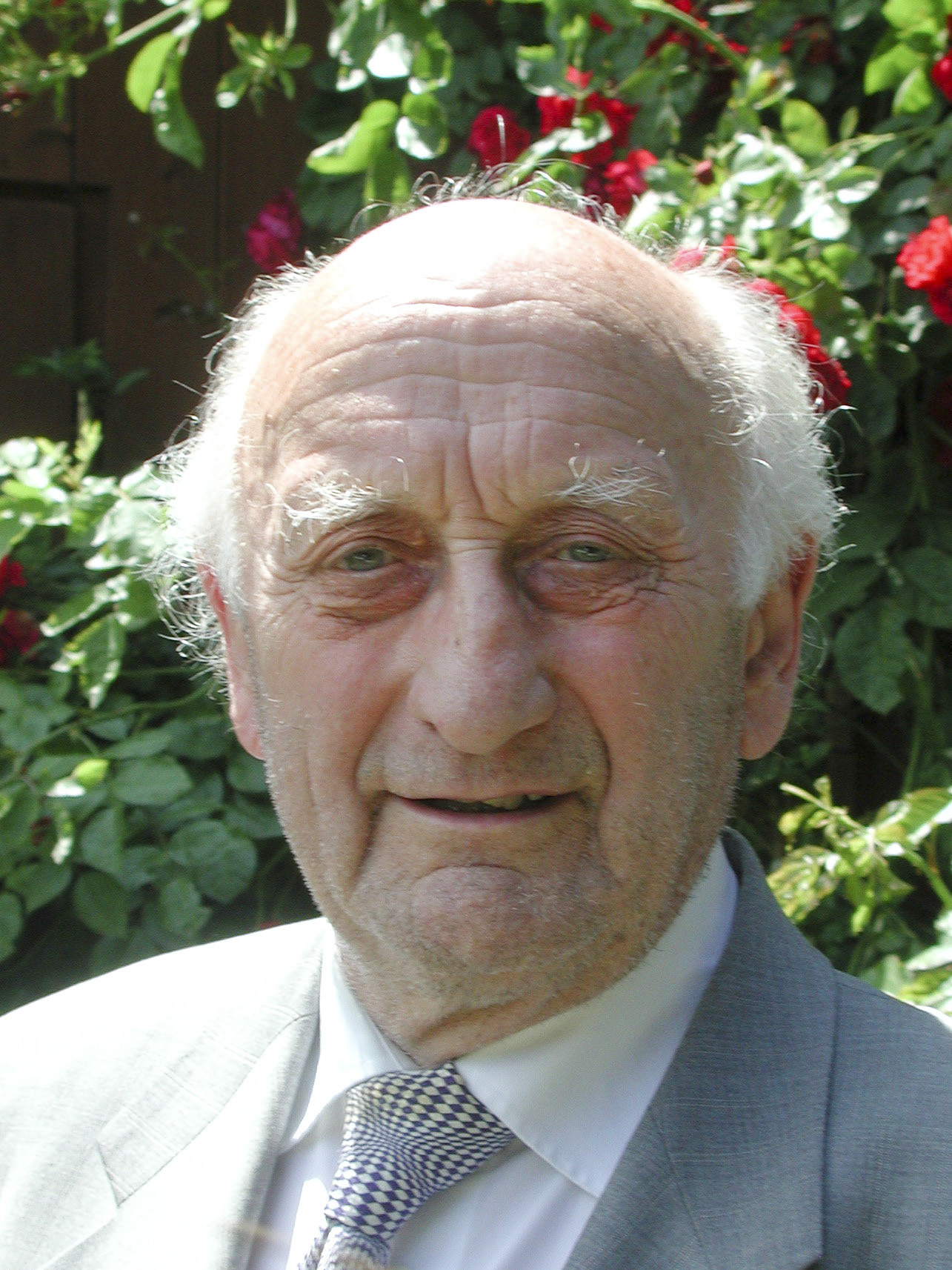
Friedrich Ludwig Bauer
First to propose the widely used stack method of expression evaluation, Bauer patented the pushdown stack in 1957, a contribution that proved foundational to modern computing. He contributed to the definition of...
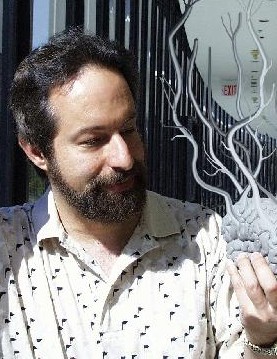
Clifford Alan Pickover
Member of the team that worked on design-automation workstations and developed code for IBM's IntelliStation, Pickover is an American author, editor, inventor, and columnist in the fields of science, mathematics, and science...
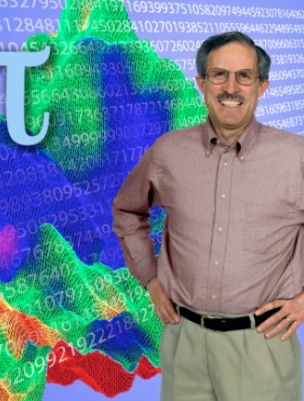
David Harold Bailey
Writer of the computer program that enabled the discovery of the Bailey–Borwein–Plouffe formula for computing digits of pi, Bailey is a mathematician and computer scientist. He received his B.S. degree in Mathematics...
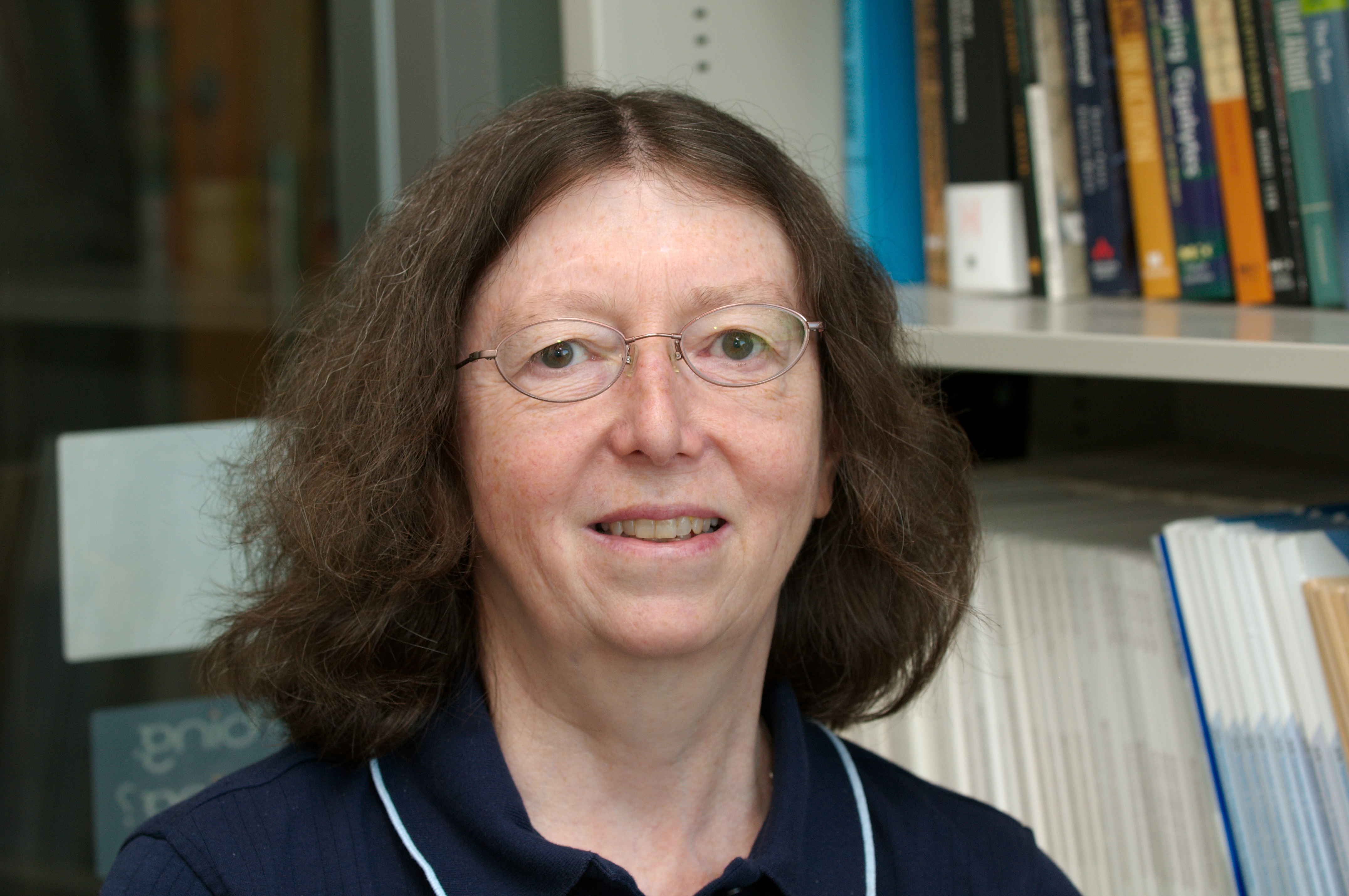
Susan T. Dumais
Researcher whose work at Bellcore (now Telcordia Technologies) into the vocabulary problem in information retrieval led to the invention of Latent Semantic Indexing, Dumais has served as a Principal Researcher in the...
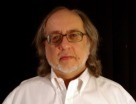
Richard E. Crandall
Developer of the irrational base discrete weighted transform, an important method of finding very large primes, Crandall made significant contributions to computational number theory. He served, at various times, as Chief Scientist...
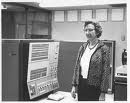
Winifred (Tim) Alice Asprey
Early female computer pioneer who established the first computer science lab at Vassar College, Asprey was one of only around 200 women to earn PhDs in mathematics from American universities during the...
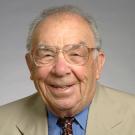
Robert Mano Fano
Known principally for his work in information theory and the invention of Shannon-Fano coding, Fano was a computer scientist and professor emeritus of Electrical Engineering and Computer Science at Massachusetts Institute of...
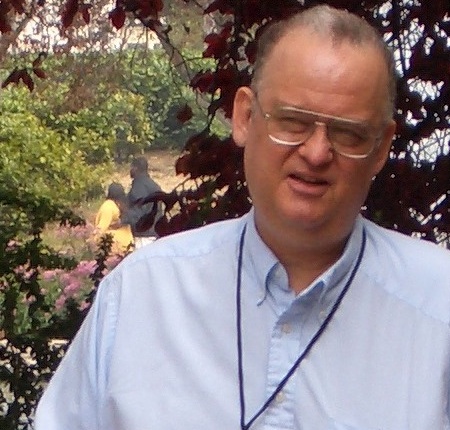
Ralph C. Merkle
Co-inventor of public key cryptography, Merkle is a researcher who also works as a speaker on molecular nanotechnology and cryonics. He appeared as a character in the science fiction novel *The Diamond...
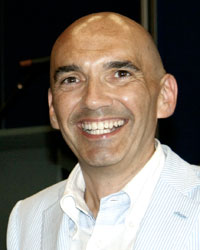
Sergio Verdu
Known for pioneering the field of multiuser detection, Verdú has served as the Eugene Higgins Professor of Electrical Engineering at Princeton University, where he has taught and conducted research on Information Theory...
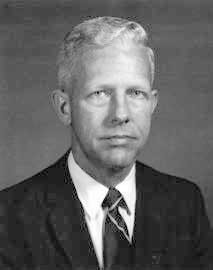
Robert Clay Prim
Co-developer of Prim's algorithm for finding a minimum spanning tree in a weighted graph, Prim made foundational contributions to computer network design. An American mathematician and computer scientist, he was born in...
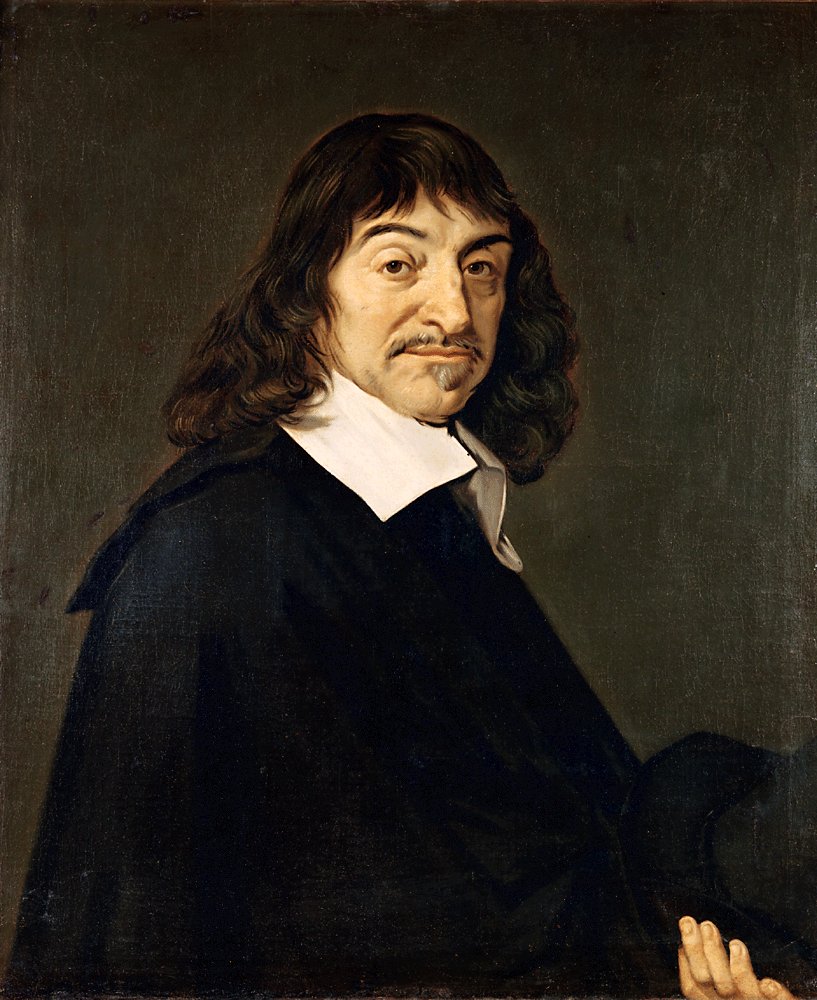
René Descartes
Credited as the father of analytical geometry, Descartes built the bridge between algebra and geometry that proved crucial to the discovery of infinitesimal calculus and analysis. The Cartesian coordinate system—allowing algebraic equations...
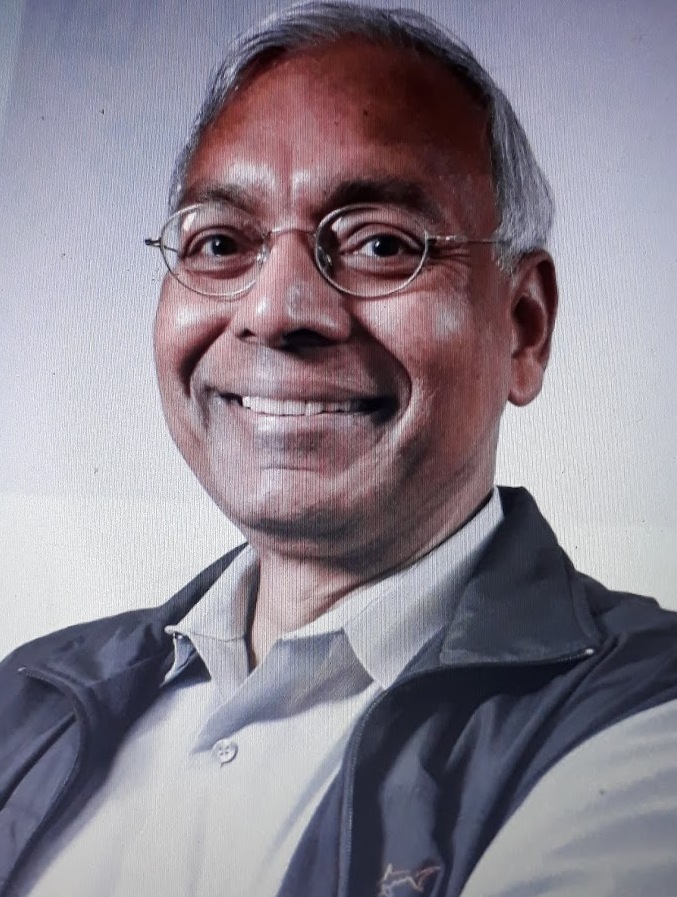
Anil K. Jain
Internationally recognized for contributions to pattern recognition, computer vision, and biometric recognition, Jain has served as a University Distinguished Professor in the Department of Computer Science & Engineering at Michigan State University...