Honor Database
Displaying 1 – 20 of 130 Honorees (Category: Pre-Modern Pioneer, with portraits)
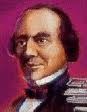
Giovanni Caselli
Inventor of the pantelegraph (a.k.a. Universal Telegraph or "all-purpose telegraph"), the predecessor of the modern fax machine, Caselli put the world's first practical operating facsimile machine ("fax") system into use. Pantèlègraph is...
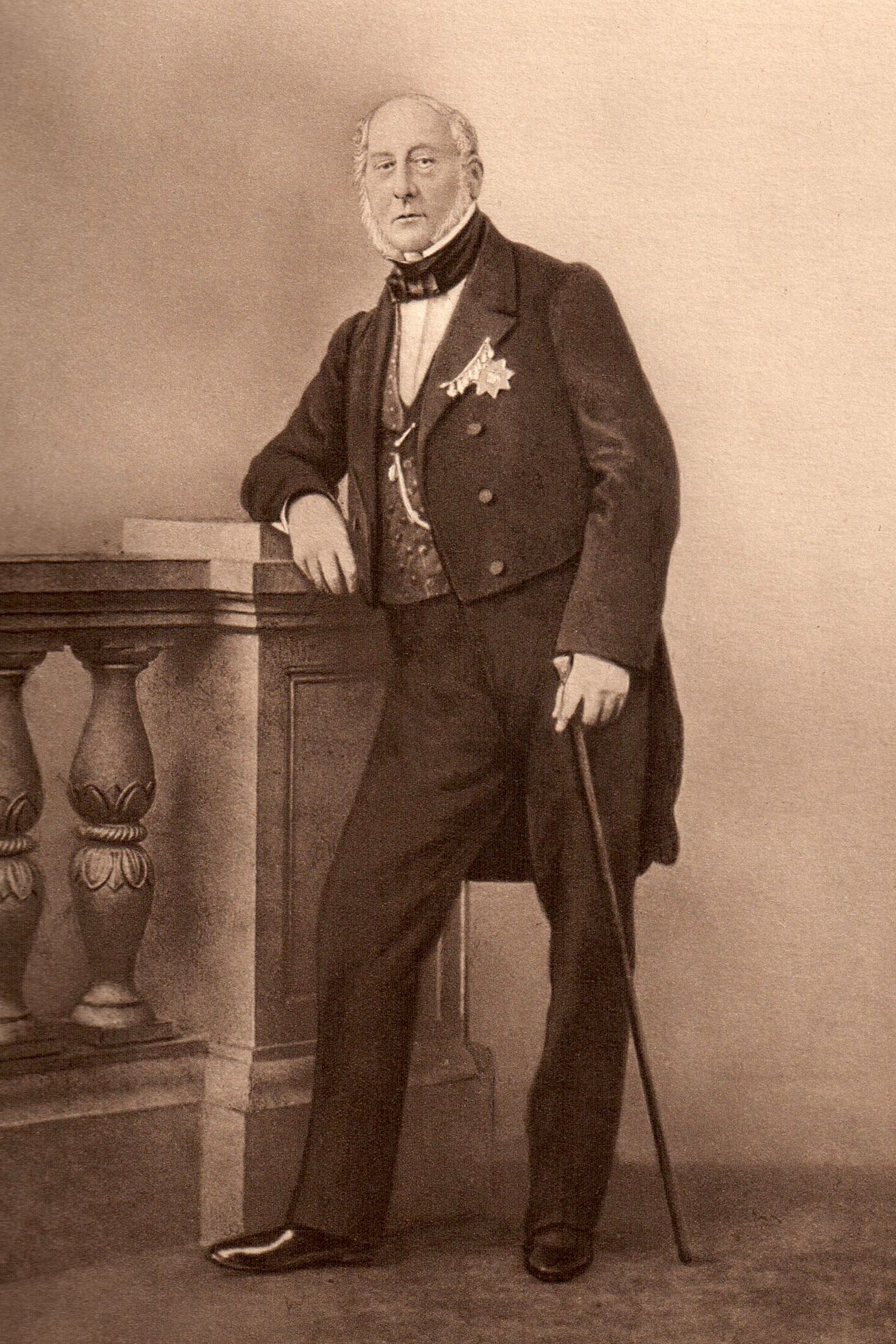
Charles Xavier Thomas
Known for designing and patenting the first mechanical calculator, Thomas introduced the Arithmometer in 1820, though more than thirty years passed before its true commercialization in 1852, as he spent that intervening...
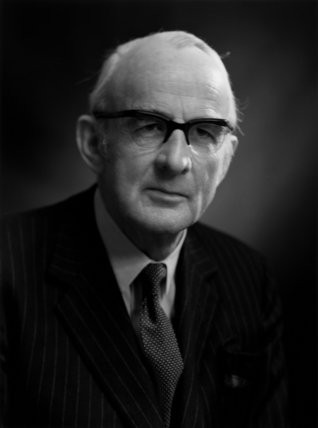
Philip Stuart Milner-Barry
One of four leading codebreakers at Bletchley Park to petition Prime Minister Winston Churchill directly for more resources for their work, Milner-Barry was also a British chess player, chess writer, and civil...
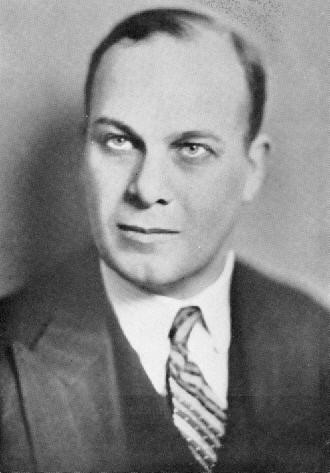
Leslie John Comrie
Pioneer in mechanical computation and astronomy, Comrie was also the founder of the world's first private company for scientific computing. He was born in Pukekohe (south of Auckland), New Zealand, and attended Auckland...
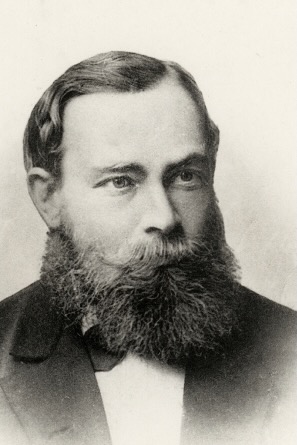
Friedrich Ludwig Gottlob Frege
Considered one of the founders of modern logic, Frege made major contributions to the foundations of mathematics. As a philosopher, he is generally considered to be the father of analytic philosophy, for...
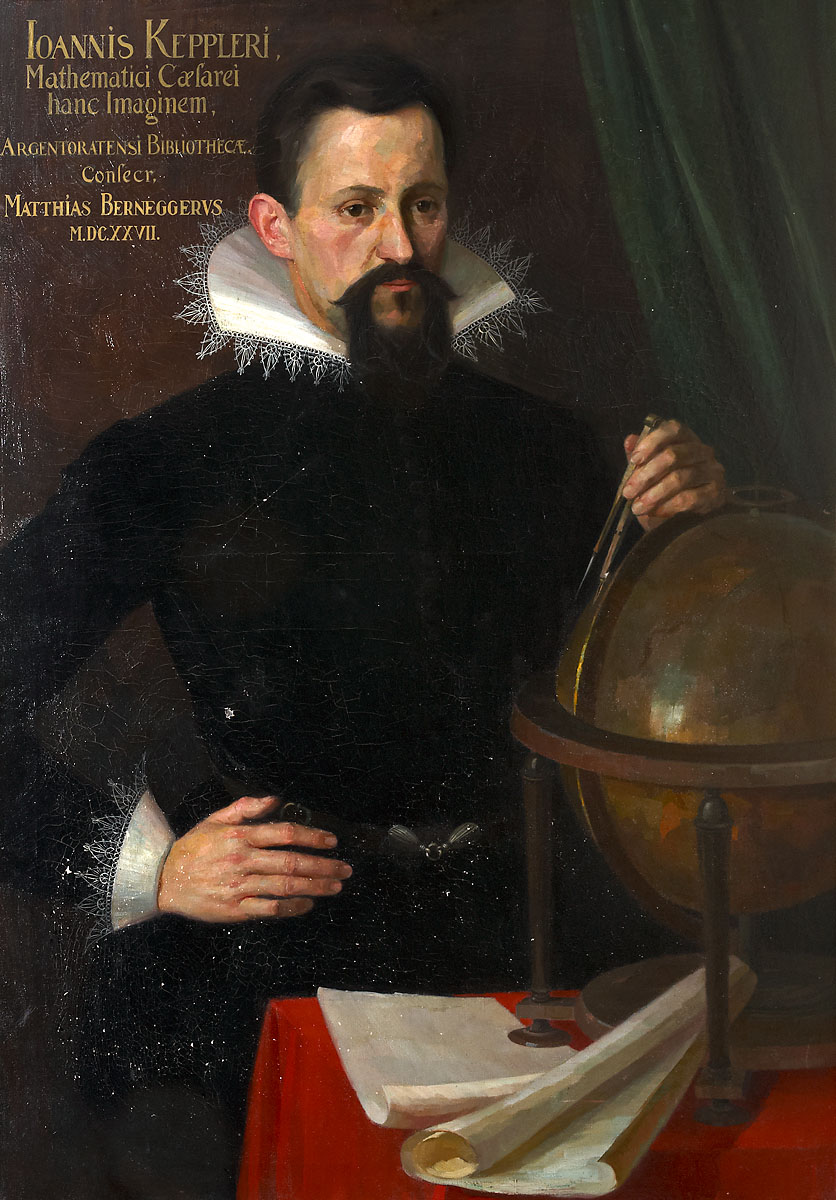
Johannes Kepler
Best known for his eponymous laws of planetary motion, Kepler was a German mathematician, astronomer, and astrologer and a key figure in the 17th century scientific revolution. His laws were codified by...
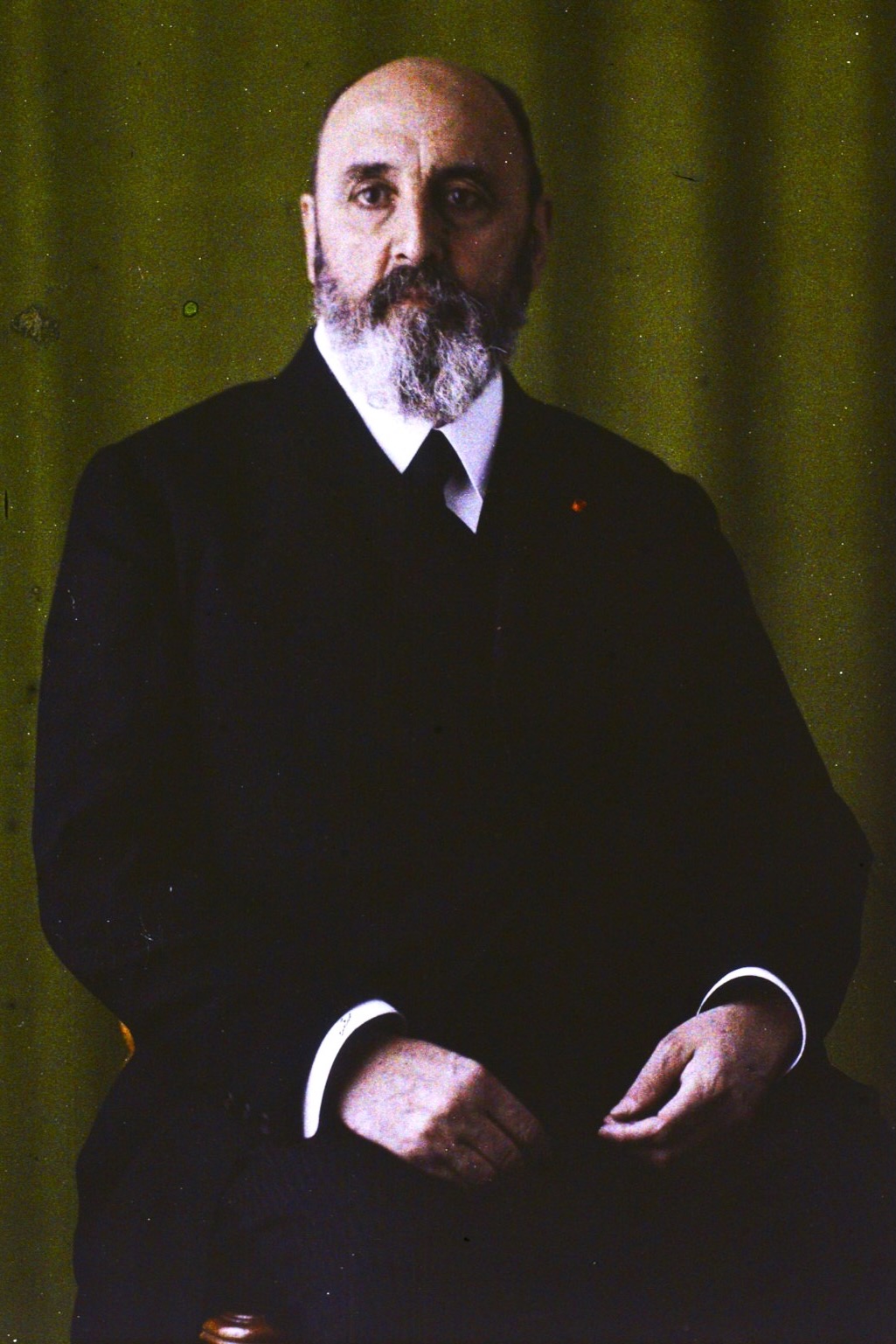
Leonardo Torres y Quevedo
Pioneer in remote control technology, Torres y Quevedo developed the Telekino — a robot that executed commands transmitted by electromagnetic waves — presenting it at the Paris Academy of Science in 1903. A...
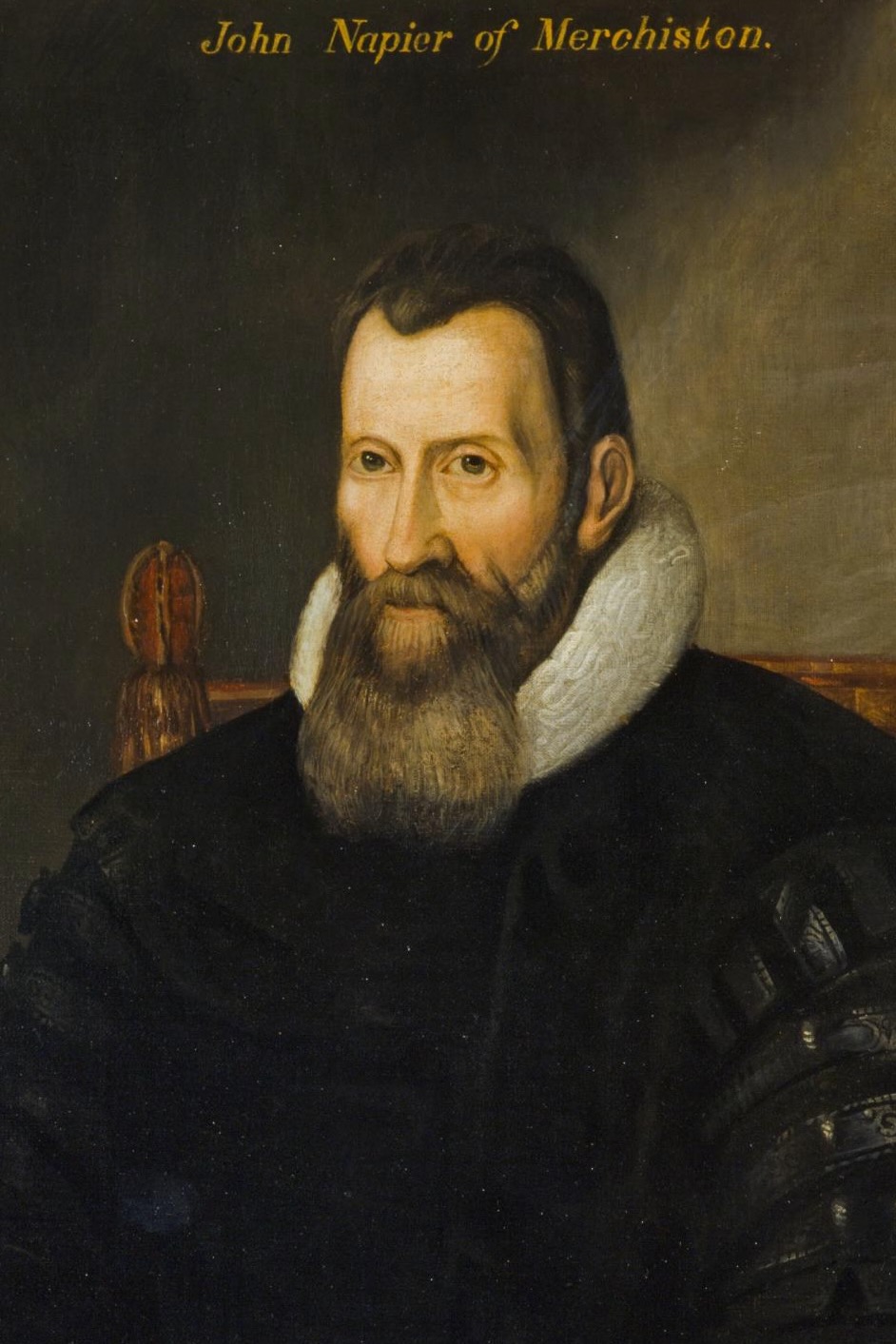
John Napier
Renowned as the discoverer of the logarithm and inventor of "Napier's bones," Napier was a Scottish mathematician, physicist, astronomer, and astrologer, and also the 8th Laird of Merchiston. He was the son...
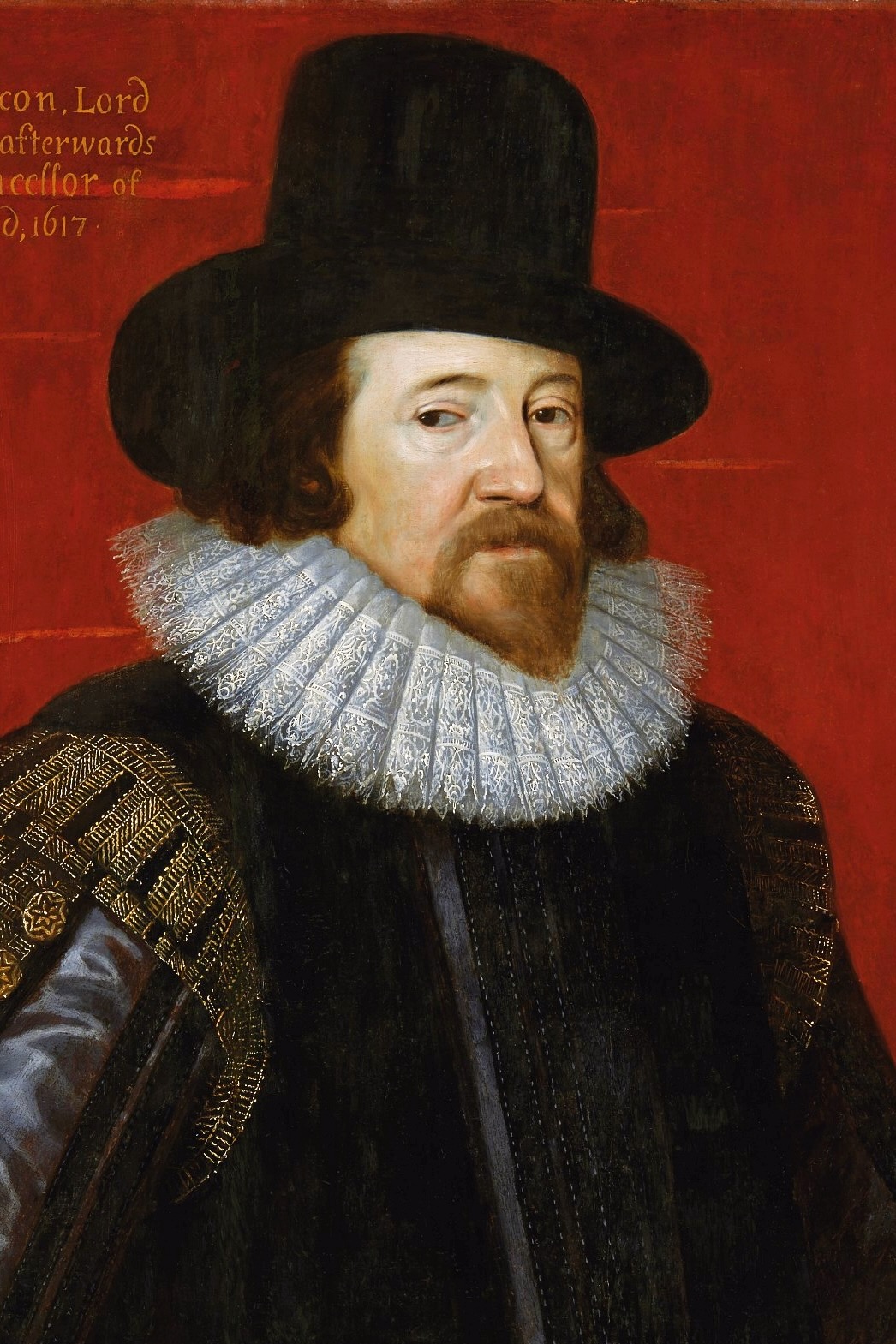
Francis Bacon
Considered the father of the scientific method and of empiricism, Bacon transformed natural philosophy and the theory of knowledge. He served both as Attorney General and Lord Chancellor of England. Although his...
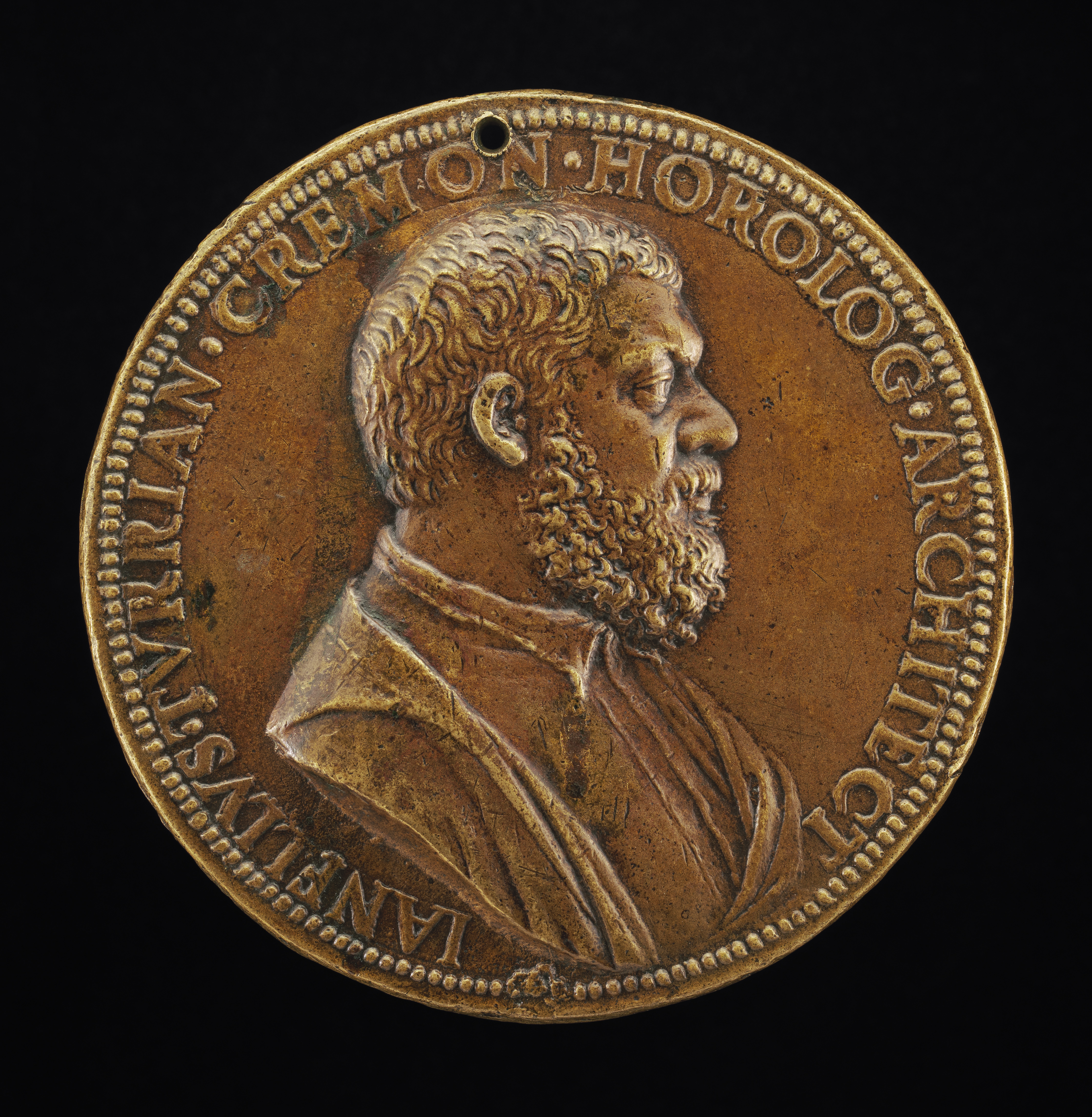
Gianello Toriano (aka Giovan)
Inventor of the Cristalino astronomical clock and a remarkably lifelike mandolin-playing lady automaton, Toriano was an Italo-Spanish inventor, clockmaker, engineer and mathematician born in Cremona, in northern Italy around 1500. His skill...
John Ambrose Fleming
Inventor of the first thermionic valve or vacuum tube, Fleming transformed the foundations of modern electronics. After leaving the University of Nottingham in 1882, Fleming took up the post of "Electrician" to...
Allan Marquand
Builder of a mechanical logical machine that is still extant, Marquand is described as having created "…mills into which the premises are fed and which turn out the conclusions by the revolution...
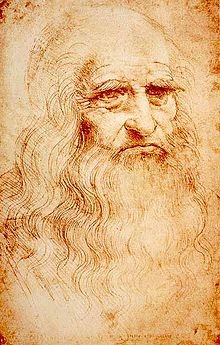
Lionardo di ser Piero da Vinci
Among those who designed a calculator, da Vinci stands as one of history's most remarkable minds — an Italian polymath regarded as the epitome of the "Renaissance Man", displaying skills in numerous...
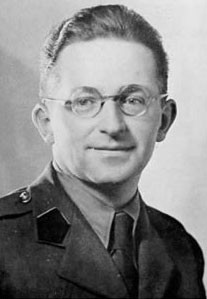
Marian Adam Rejewski
Solver of the plugboard-equipped Enigma machine, the main cipher device used by Germany, Rejewski was a Polish mathematician and cryptologist who accomplished this feat in 1932. His success, along with his colleagues...
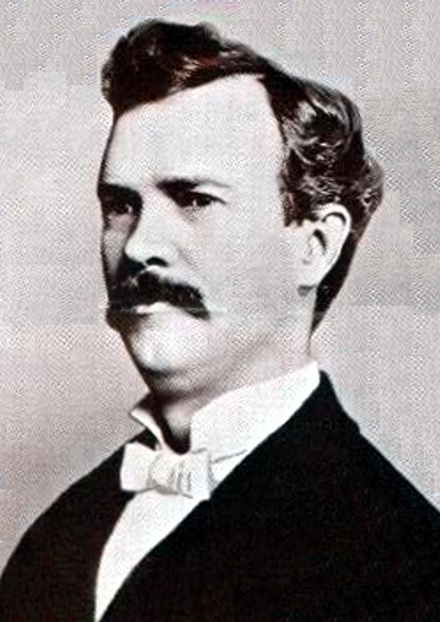
William Seward Burroughs
Inventor of the adding machine, Burroughs was posthumously inducted into the National Inventors Hall of Fame. An American inventor, born in Rochester, New York, the son of a mechanic, he worked with...
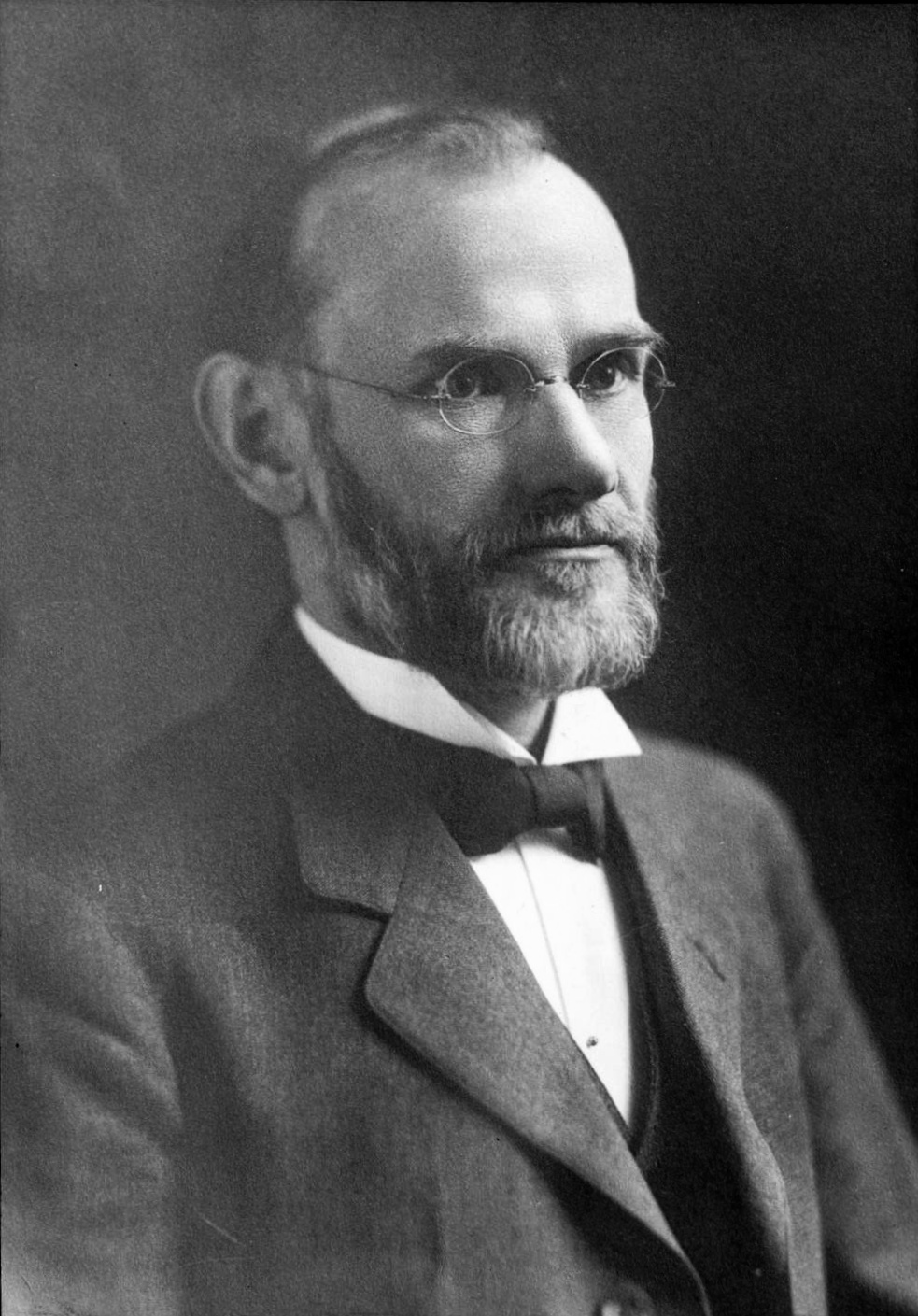
Carl Georg Lange Barth
Improver and popularizer of the industrial use of compound slide rules in scientific management, Barth was a Norwegian-American mathematician and mechanical engineer. He was born in Christiania, Norway, and graduated from the...

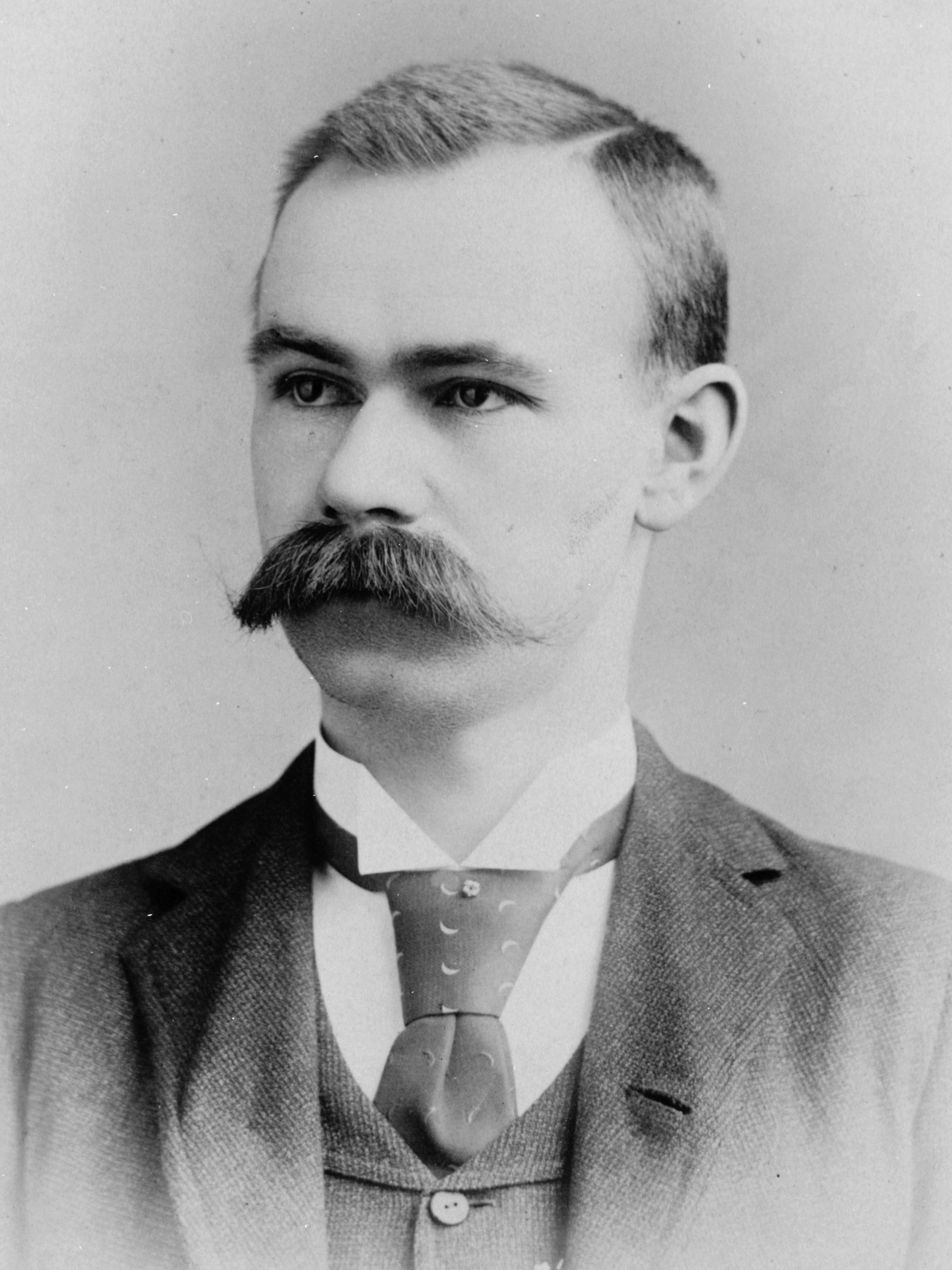
Herman Hollerith
Inventor of the punched card, Hollerith was a German-American statistician who developed a mechanical tabulator based on punched cards to rapidly tabulate statistics from millions of pieces of data. He was the...
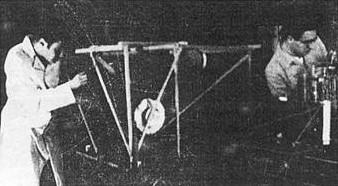
Helmut Theodor Schreyer
Co-developer of the Z3, one of the first computers, Schreyer also developed an electrical circuit to convert decimal to binary numbers. He was a German inventor and the son of the minister...
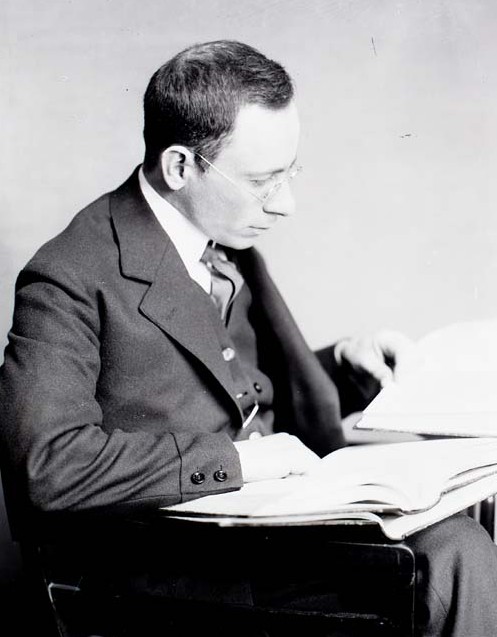
Emanuel Goldberg
Contributor of a wide range of theoretic and practical advances relating to light and media and inventor of a very early search engine, Goldberg was also the founding head of Zeiss Ikon,...
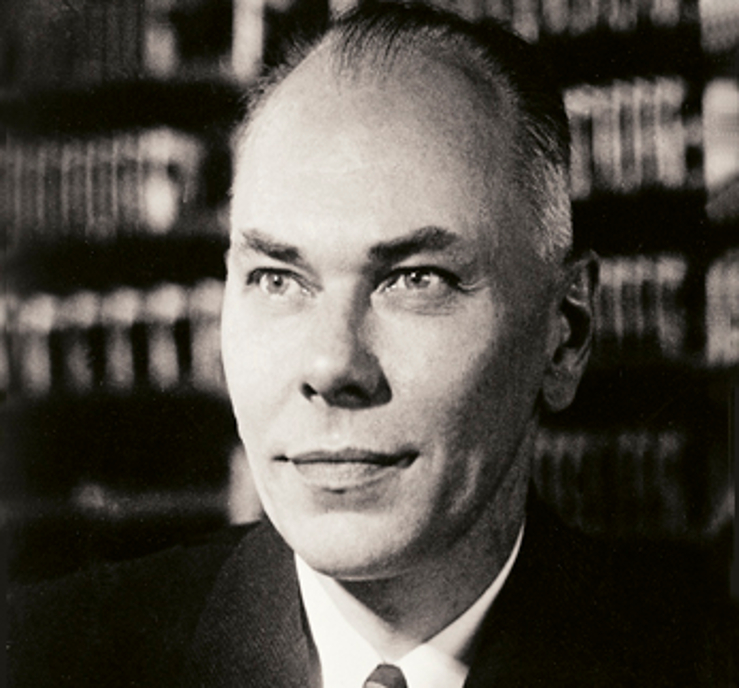
Howard Hathaway Aiken
Pioneer in computing and original concept designer behind IBM's Harvard Mark I computer, Aiken transformed early computing with his vision of electro-mechanical calculation. Howard studied at the University of Wisconsin–Madison and later obtained...