Honor Database
Displaying 41 – 60 of 130 Honorees (Category: Pre-Modern Pioneer, with portraits)
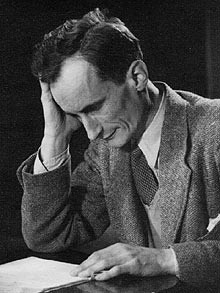
Shaun Wylie
A key member of Hut 8 at Bletchley Park, Wylie worked alongside Alan Turing on solving the Enigma machine as used by the German Navy. He was born in Oxford, England, the...
Philibert Maurice d'Ocagne
Pioneer of nomography — the systematization of graphical calculation methods using nomograms — d'Ocagne was a French engineer and mathematician whose scientific personality soon fell into oblivion, leaving only a few milestones...
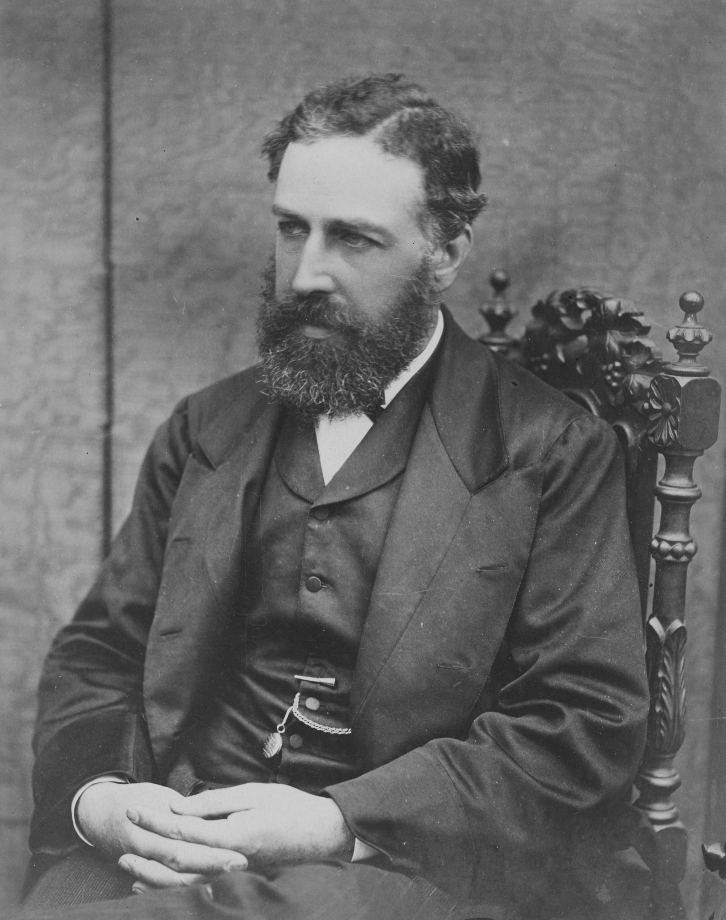
William Stanley Jevons
Constructed a logical machine called the Logic Piano, Jevons was a pioneering figure in both logic and economics. Jevons arrived quite early in his career at the doctrines that constituted his most...
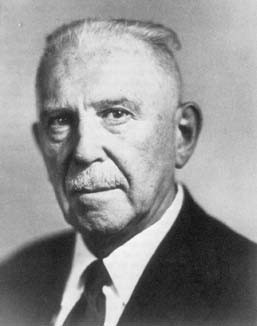
Solomon Lefschetz
Developer of the Lefschetz fixed point theorem, now a basic result of topology, Lefschetz did fundamental work on algebraic topology, its applications to algebraic geometry, and the theory of non-linear ordinary differential...
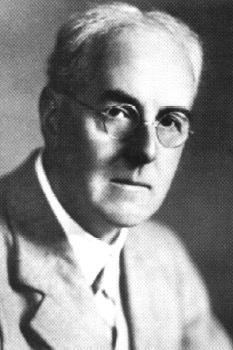
Lewis Fry Richardson
Pioneer of fractals and the modified Richardson iteration method for solving systems of linear equations, Richardson was also an English mathematician, physicist, meteorologist, psychologist, and pacifist who pioneered modern mathematical techniques of...
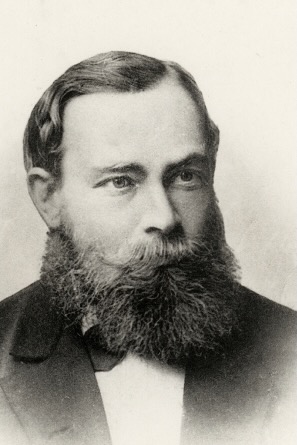
Friedrich Ludwig Gottlob Frege
Considered one of the founders of modern logic, Frege made major contributions to the foundations of mathematics. As a philosopher, he is generally considered to be the father of analytic philosophy, for...

Herman Heine Goldstine
One of the original developers of the ENIAC, Goldstine left the University of Michigan, where he was a professor, in July 1942 to enlist in the Army after the United States entered...
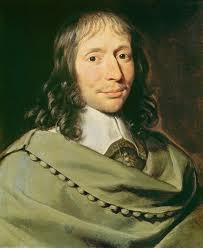
Blaise Pascal
Inventor of the Pascaline, a mechanical calculator capable of addition and subtraction, Pascal built twenty of these machines over the following ten years after constructing the first in 1642 following three years...
-
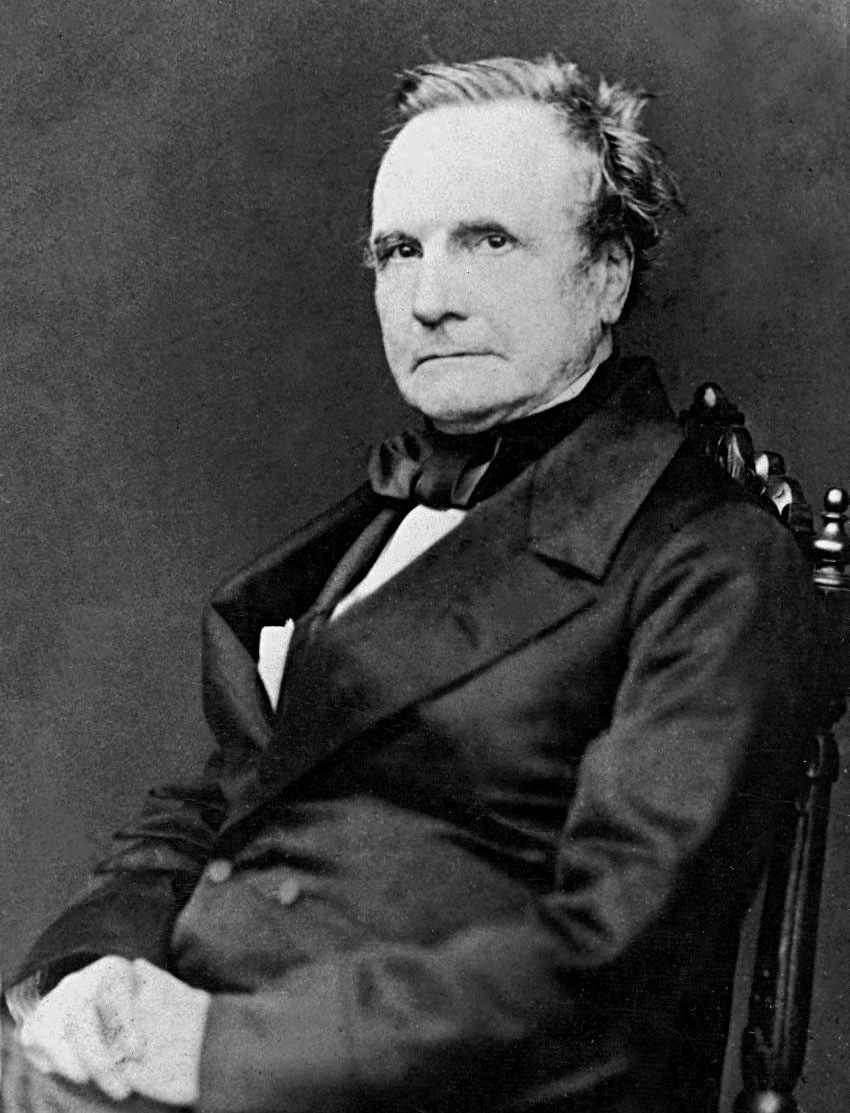
Charles Babbage
Designer of the first mathematical computer, Babbage was an English mathematician, philosopher, inventor, and mechanical engineer who originated the concept of a programmable computer. Parts of his uncompleted mechanisms are on display...
Conel Hugh O'Donel Alexander, CMG, CBE
One of the key workers on breaking the Enigma machine, Alexander made vital contributions to British codebreaking during World War II. An Irish-born British cryptanalyst, chess player, and chess writer, he was...
-
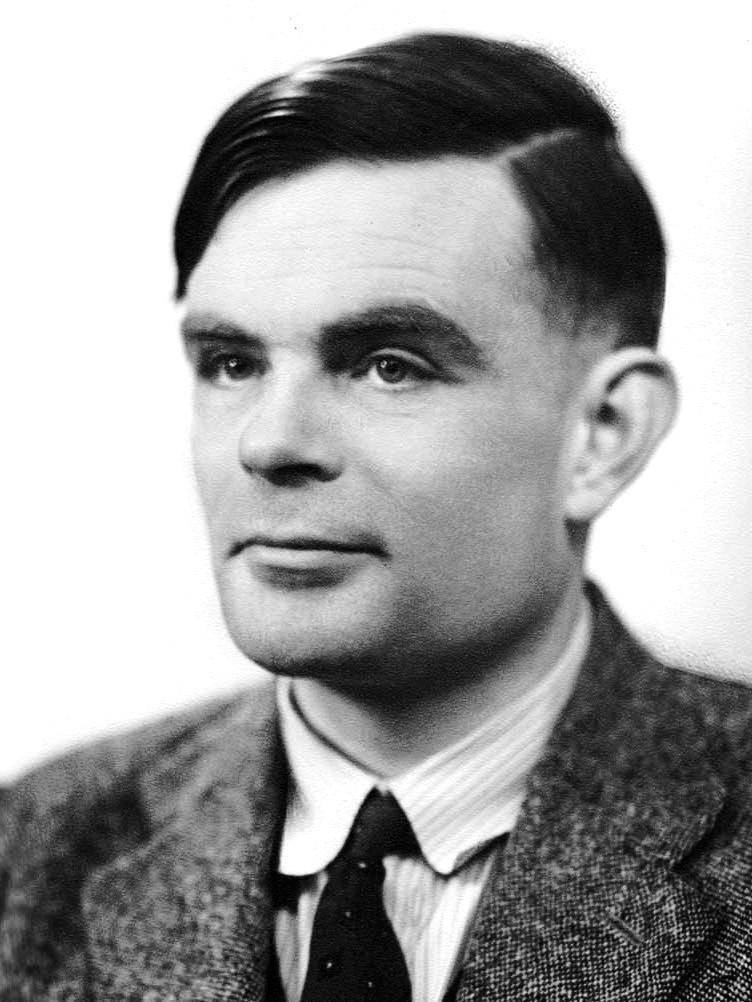
Alan Mathison Turing
The mathematical logician Alan Mathison Turing OBE (1912-1954) contributed to logic, mathematics, cryptanalysis, philosophy, mathematical biology, and formatively to computer science, Artificial Intelligence, cognitive science, and the computational study of biological growth. Turing...
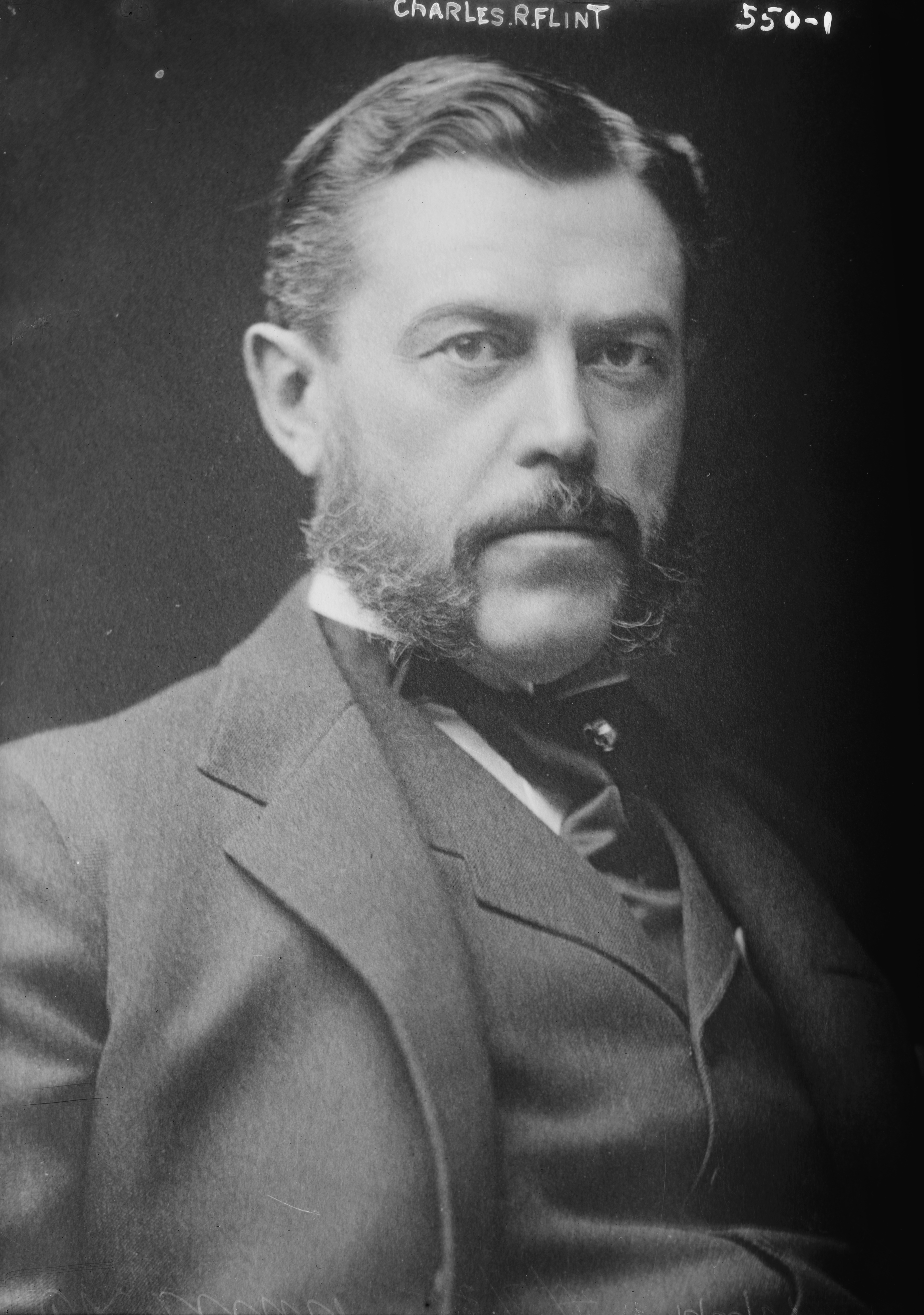
Charles Ranlett Flint
Founder of the Computing-Tabulating-Recording Company (CTR), which later became IBM, Flint transformed the landscape of business computing. In 1868, Charles Flint graduated from the Polytechnic Institute in Brooklyn, and in 1871 entered the...
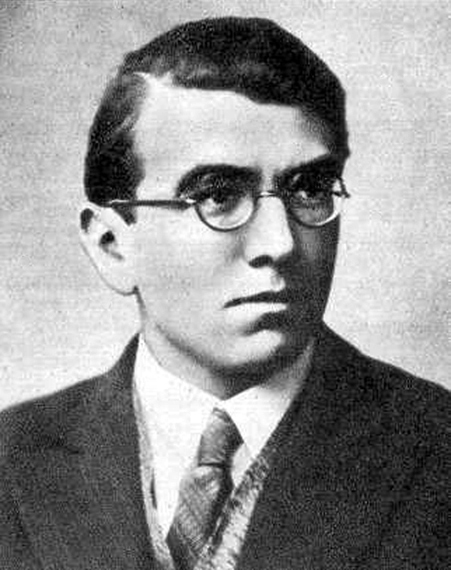
Henryk Zygalski
Designer of the "perforated sheets," also known as "Zygalski sheets," a manual device for finding Enigma settings, Zygalski was a Polish mathematician and cryptologist who worked at breaking German Enigma ciphers before...
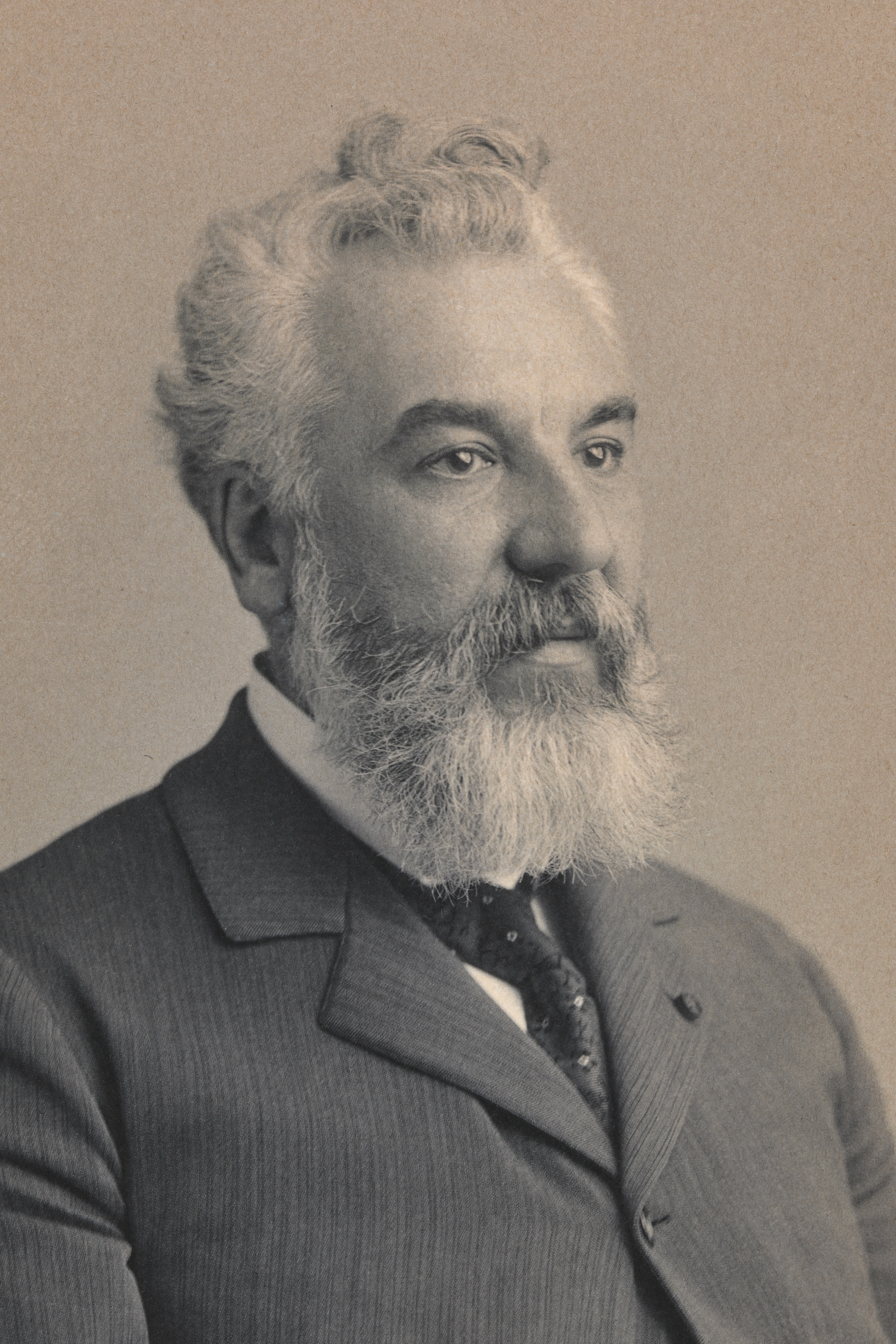
Alexander Graham Bell
Inventor of the first practical telephone, Bell was also an eminent scientist, engineer, and innovator whose later work made groundbreaking contributions to optical telecommunications, hydrofoils, and aeronautics. Bell's father, grandfather, and brother had...
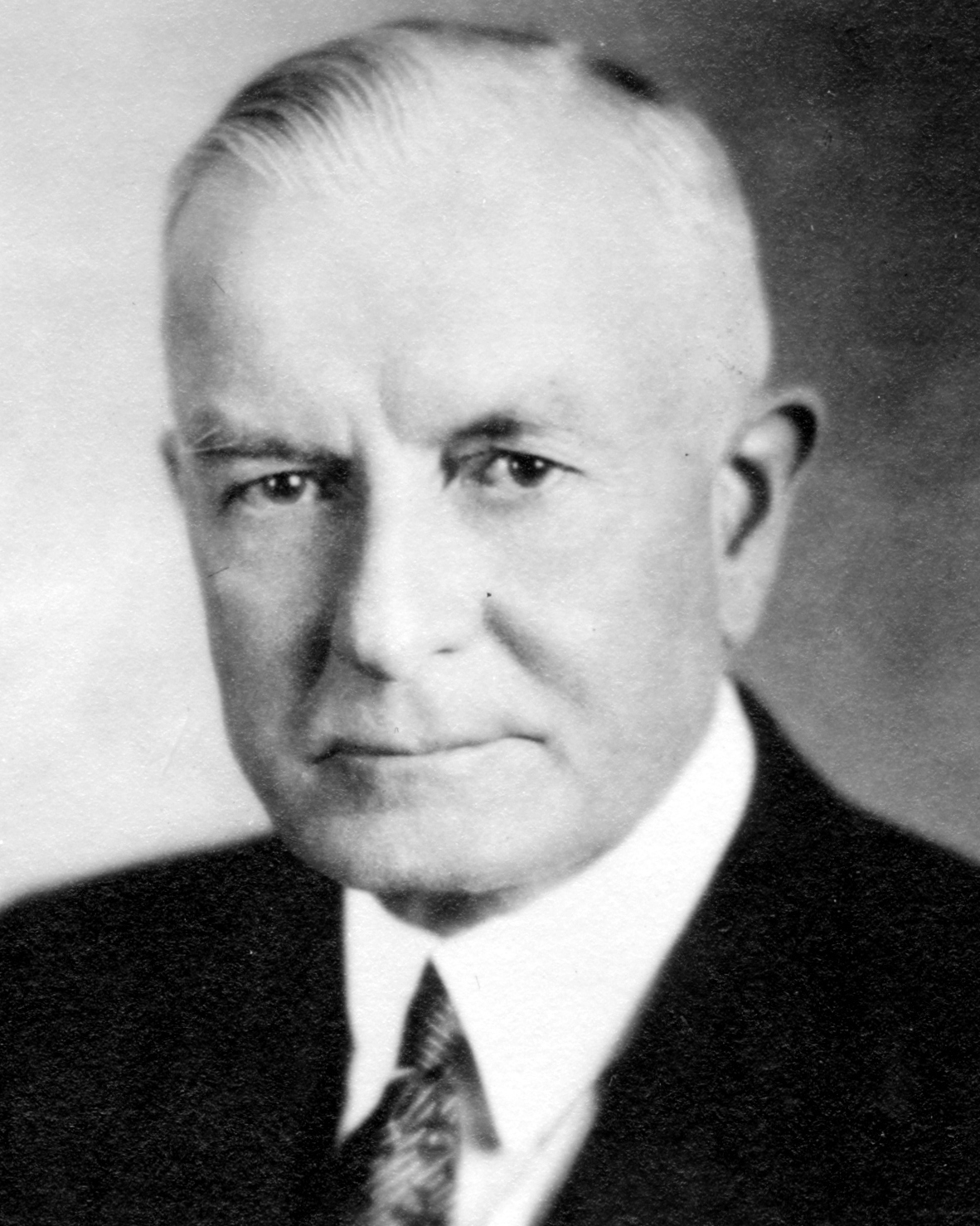
Thomas John Watson, Sr.
Former CEO of IBM who oversaw the company's growth into an international force from 1914 to 1956, Watson developed IBM's renowned management style and corporate culture, and turned the company into one...
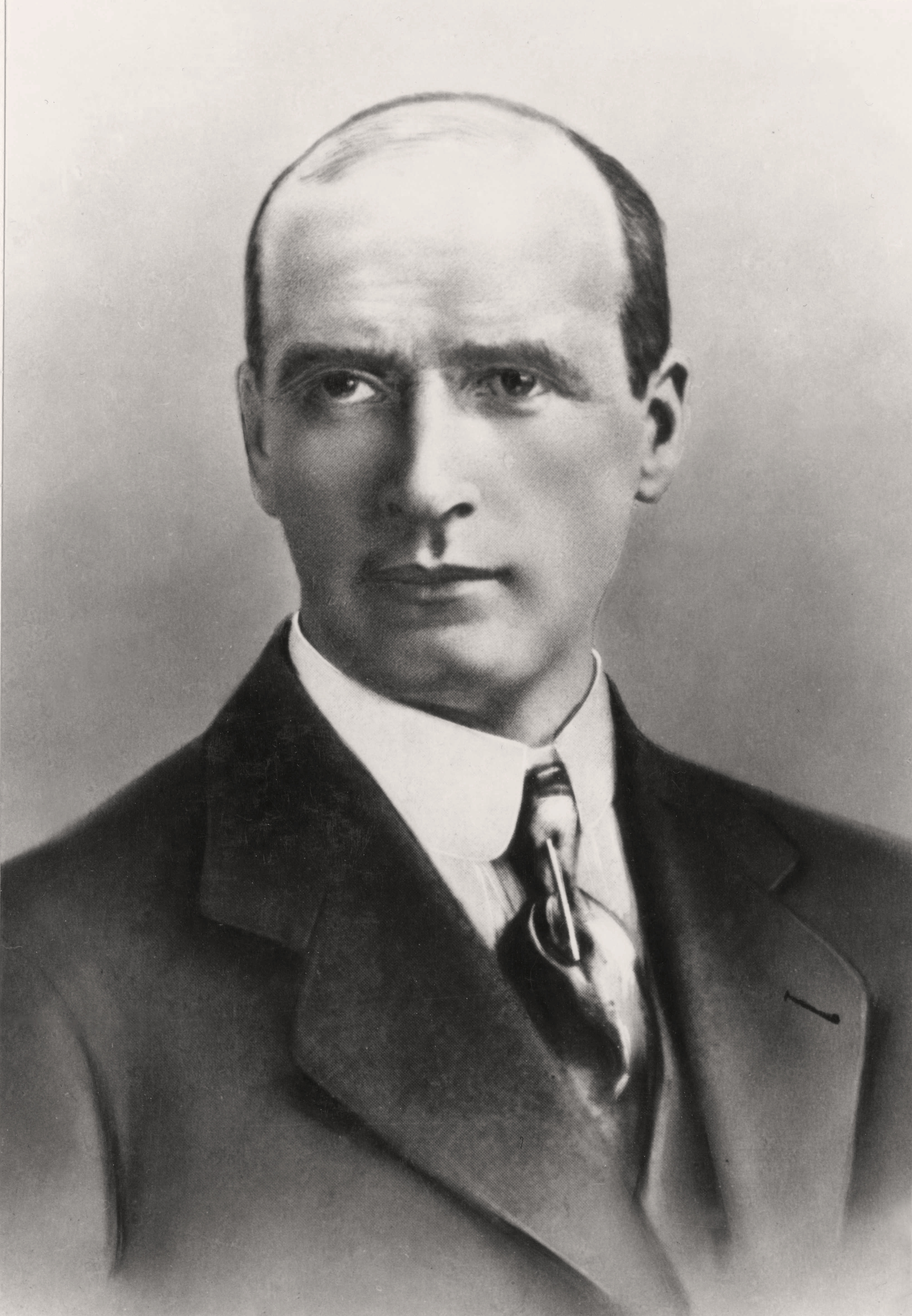
Fredrik Rosing Bull
Known for his works on improved punched card machines, Bull was an information technology pioneer. In 1907 he finished his studies in civil engineering at the Technical School of Kristiania (Kristiania Tekniske...
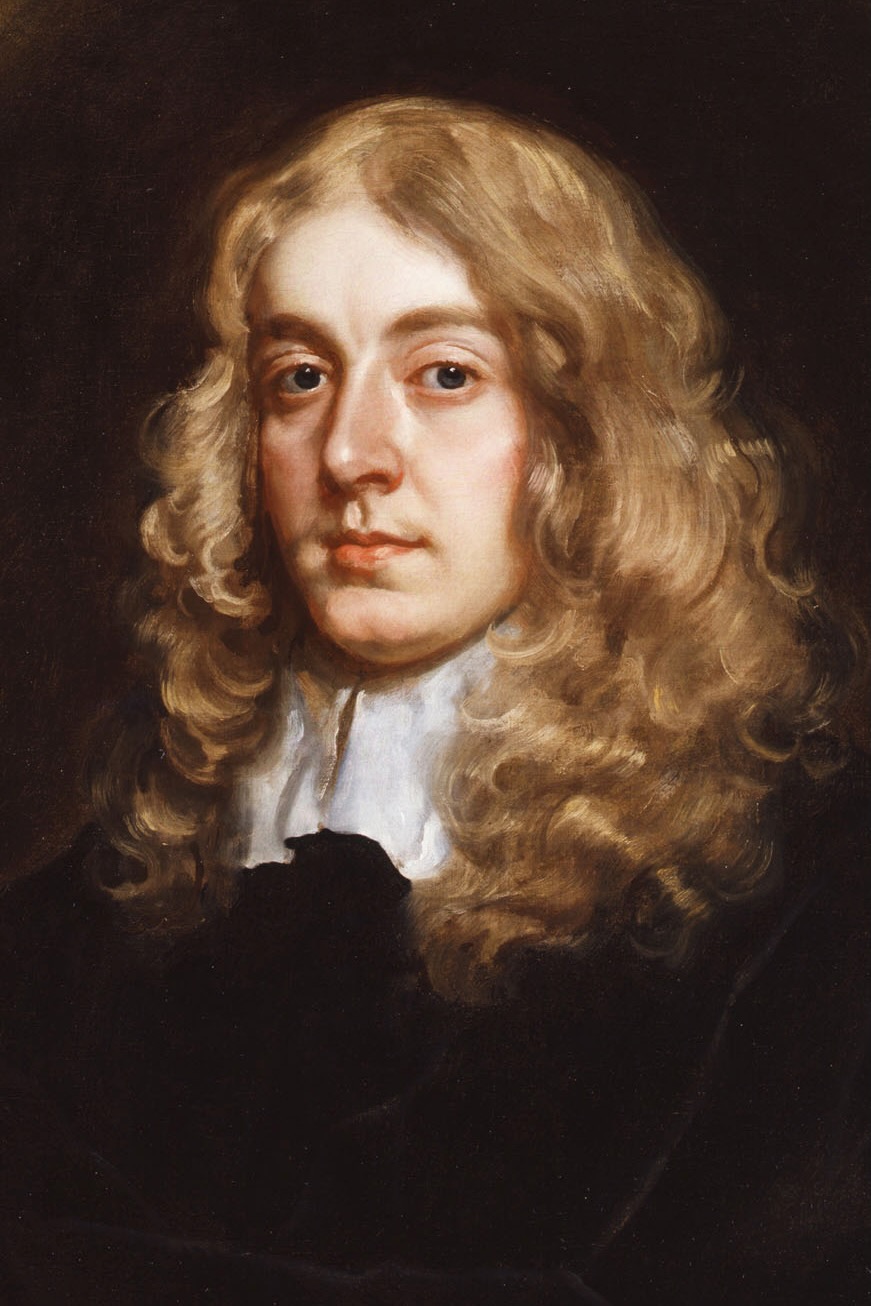
Samuel Morland
Credited with early developments in relation to computing, hydraulics and steam power, Morland was a notable English academic, diplomat, spy, inventor and mathematician of the 17th century. He was educated at Winchester...
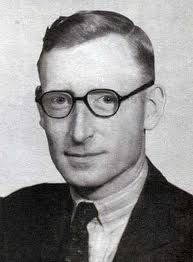
Thomas (Tommy) Harold Flowers
Designer of Colossus, the first programmable electronic computer, Flowers made one of the most significant contributions to wartime codebreaking. His first contact with the wartime codebreaking effort came when he was asked...
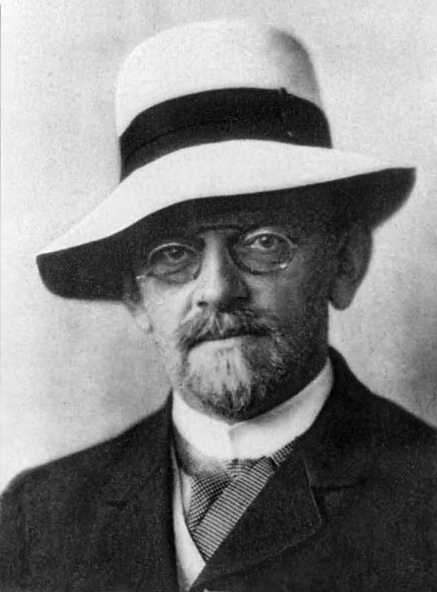
David Hilbert
One of the founders of proof theory and mathematical logic, Hilbert's work laid the basis for recursion theory and later theoretical computer science. He was recognized as one of the most influential...
Helmut Theodor Schreyer
Co-developer of the Z3, one of the first computers, Schreyer also developed an electrical circuit to convert decimal to binary numbers. He was a German inventor and the son of the minister...