Honor Database
Displaying 101 – 120 of 130 Honorees (Category: Pre-Modern Pioneer, with portraits)

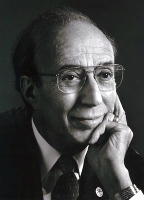
Herman Heine Goldstine
One of the original developers of the ENIAC, Goldstine left the University of Michigan, where he was a professor, in July 1942 to enlist in the Army after the United States entered...
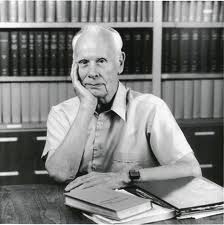
George Robert Stibitz
Recognized as one of the fathers of the modern digital computer for his work with Bell Labs in the 1930s and 1940s, Stibitz completed a relay-based calculator in November 1937 he dubbed...
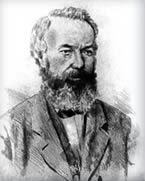
Alexander Bain
Inventor of the electric clock and pioneer of the telegraph, Bain transformed early communications technology. His first patent was dated January 11, 1841, and was in the names of John Barwise, chronometer...
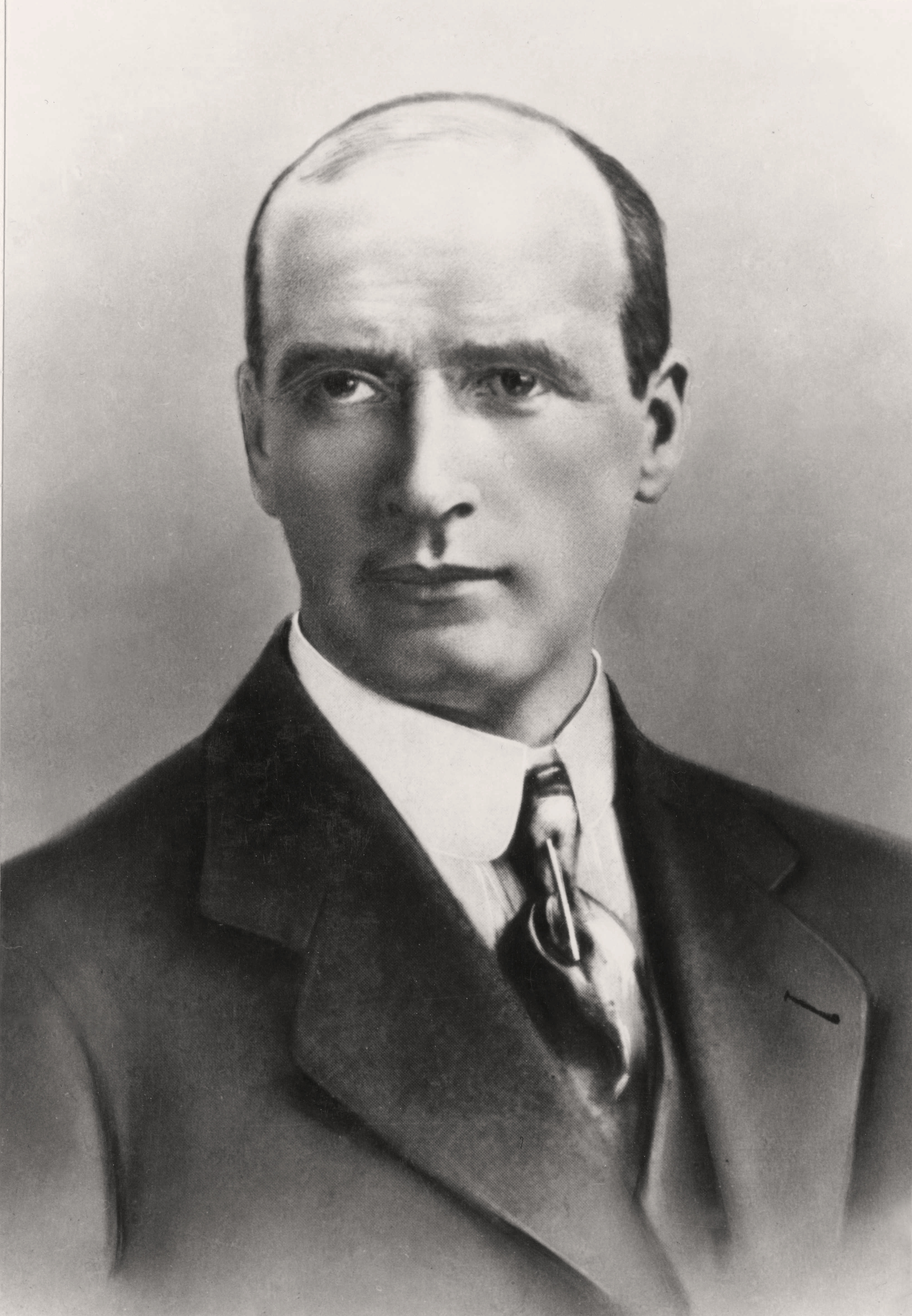
Fredrik Rosing Bull
Known for his works on improved punched card machines, Bull was an information technology pioneer. In 1907 he finished his studies in civil engineering at the Technical School of Kristiania (Kristiania Tekniske...
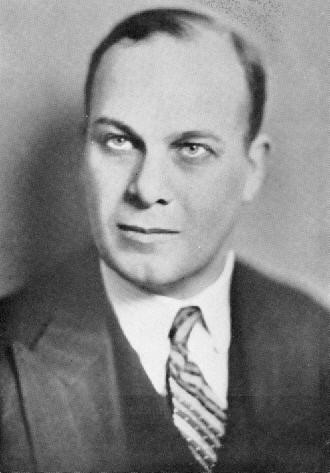
Leslie John Comrie
Pioneer in mechanical computation and astronomy, Comrie was also the founder of the world's first private company for scientific computing. He was born in Pukekohe (south of Auckland), New Zealand, and attended Auckland...
-
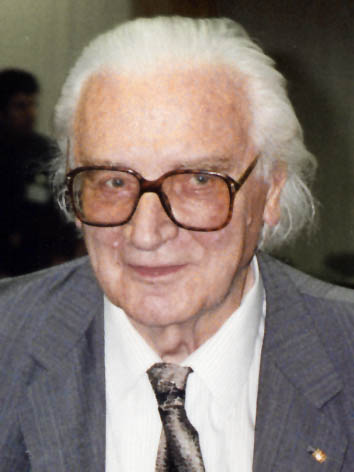
Konrad Zuse
German engineer who, completely independently of British and American computing efforts, built the Z3 (1941), the first working program-controlled general-purpose digital computer. The Z3, destroyed in the bombing of Berlin, never got...
Ramon Verea
Inventor of the first calculating machine to use direct multiplication instead of employing multiple rounds of a crank, Verea was a Spanish inventor who studied in Santiago de Compostela, Spain, and emigrated...
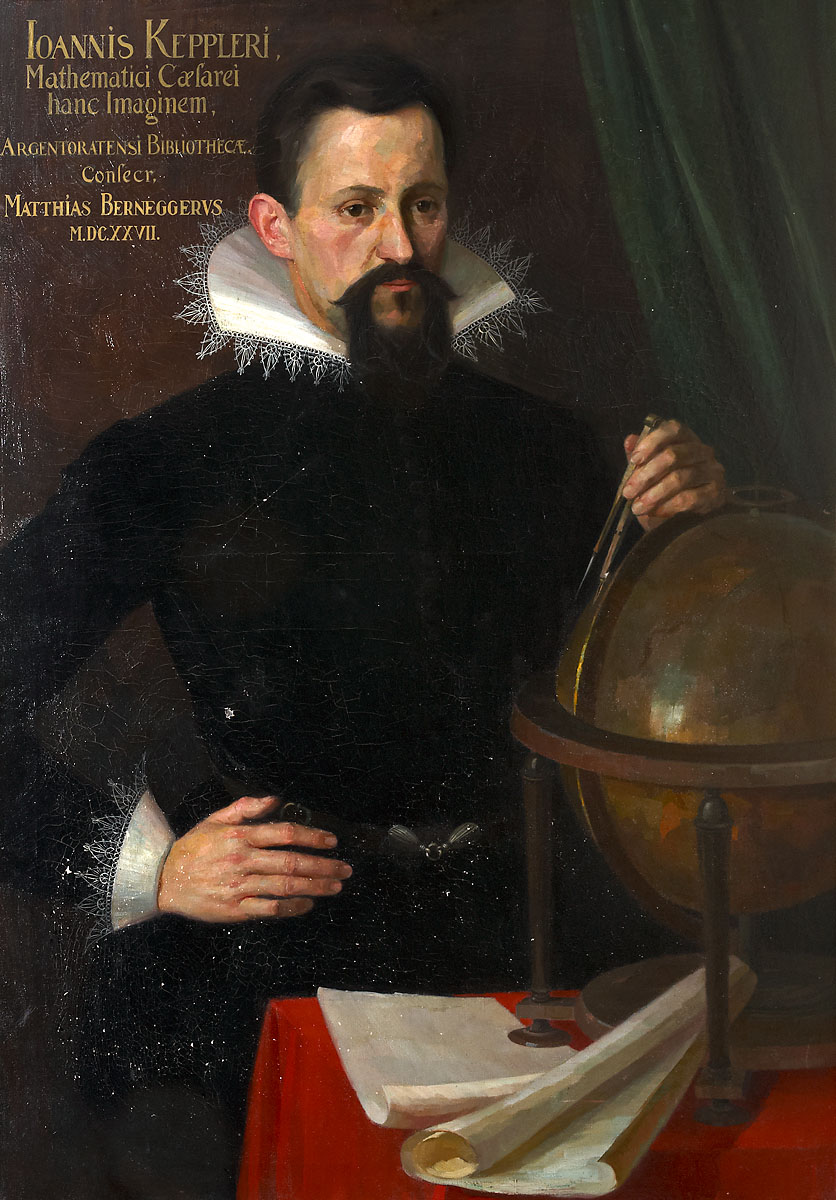
Johannes Kepler
Best known for his eponymous laws of planetary motion, Kepler was a German mathematician, astronomer, and astrologer and a key figure in the 17th century scientific revolution. His laws were codified by...
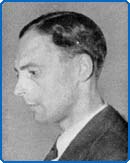
Conel Hugh O'Donel Alexander, CMG, CBE
One of the key workers on breaking the Enigma machine, Alexander made vital contributions to British codebreaking during World War II. An Irish-born British cryptanalyst, chess player, and chess writer, he was...
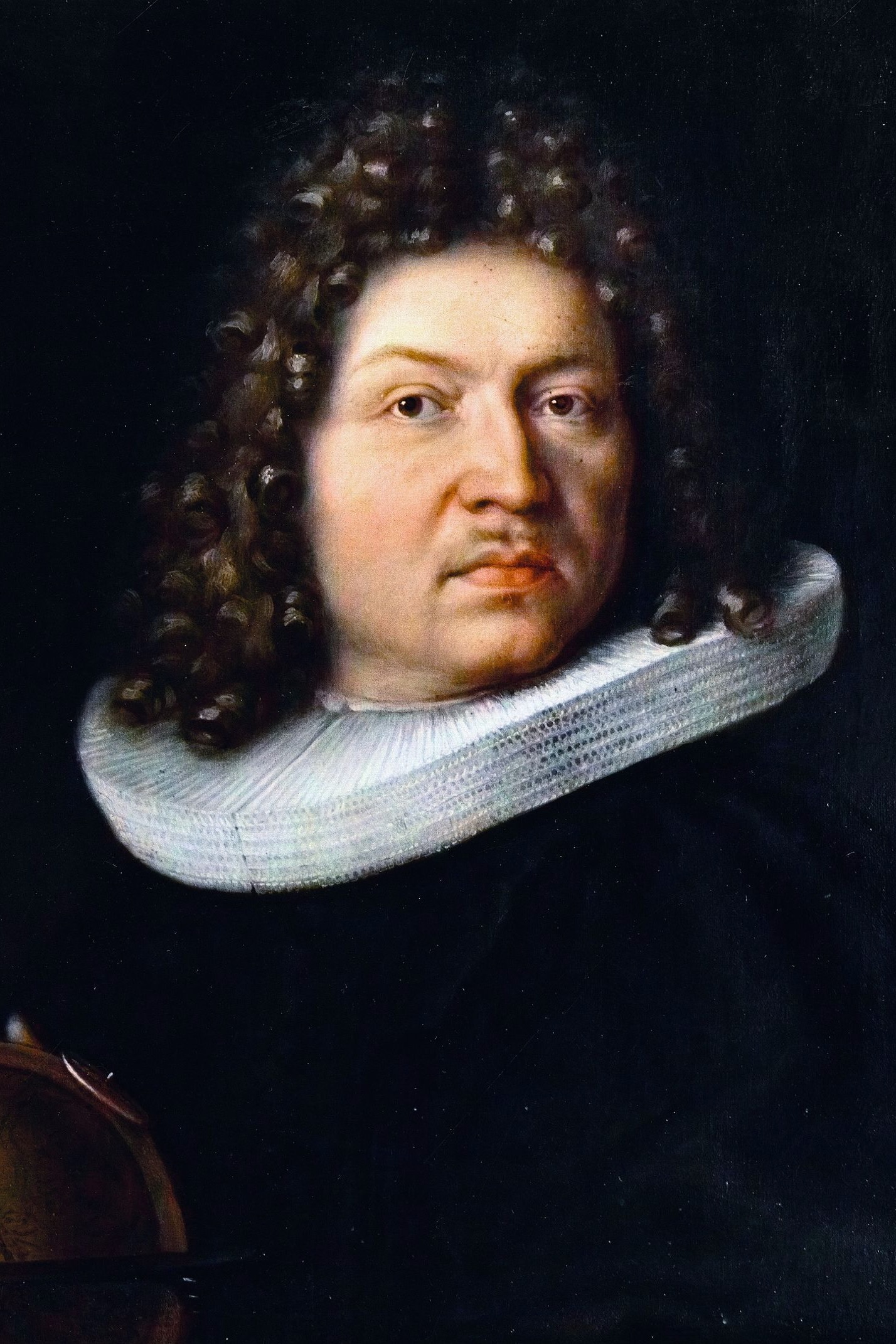
Jacob Bernoulli
Known for numerous mathematical landmarks including Bernoulli Numbers and the Bernoulli Differential Equation, Bernoulli became familiar with calculus through a correspondence with Gottfried Leibniz, then collaborated with his brother Johann on various...
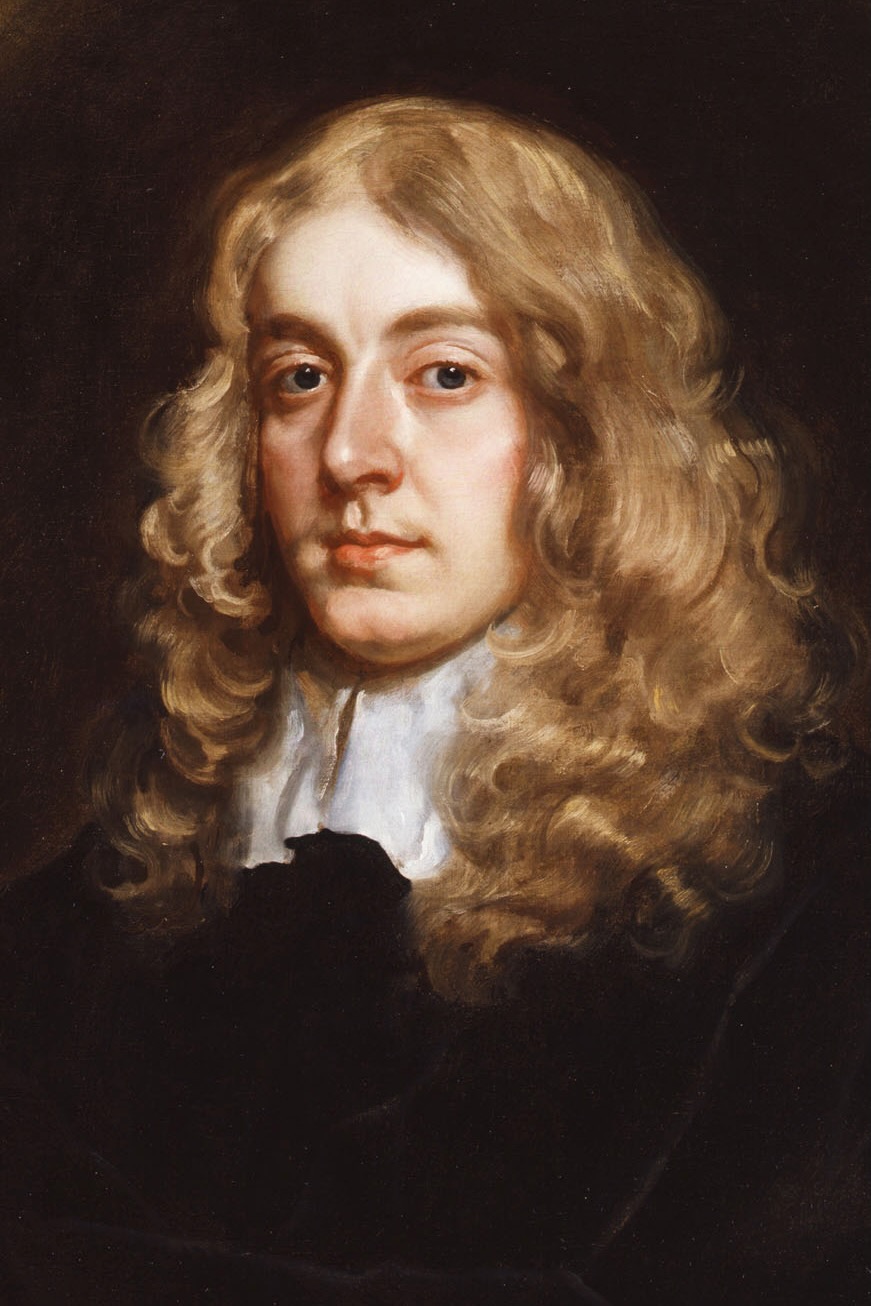
Samuel Morland
Credited with early developments in relation to computing, hydraulics and steam power, Morland was a notable English academic, diplomat, spy, inventor and mathematician of the 17th century. He was educated at Winchester...
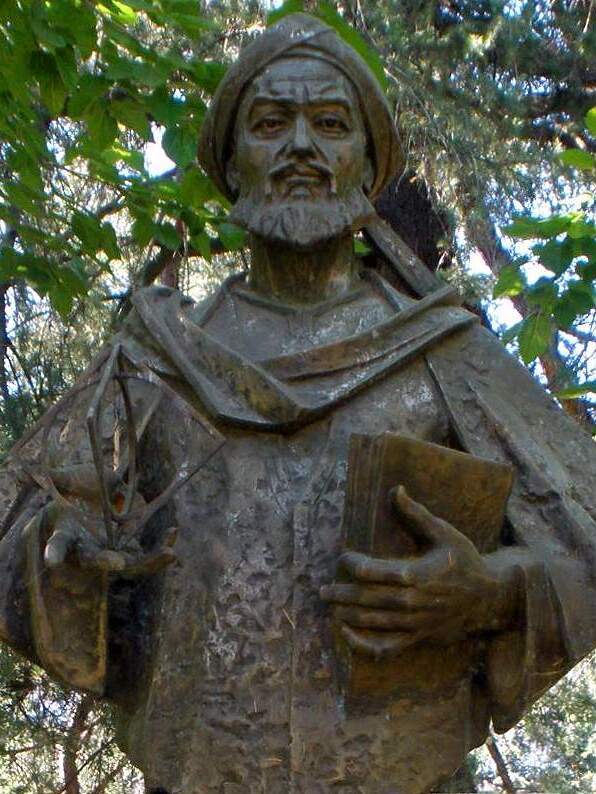
Abdal Mammad ibn M Khwrizm
Considered the founder of algebra, Khwrizm shared this credit with Diophantus. His Kitab al-Jabr wa-l-Muqabala presented the first systematic solution of linear and quadratic equations. In the twelfth century, Latin translations of...
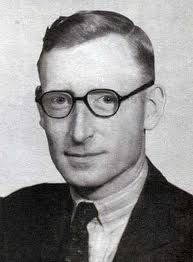
Thomas (Tommy) Harold Flowers
Designer of Colossus, the first programmable electronic computer, Flowers made one of the most significant contributions to wartime codebreaking. His first contact with the wartime codebreaking effort came when he was asked...
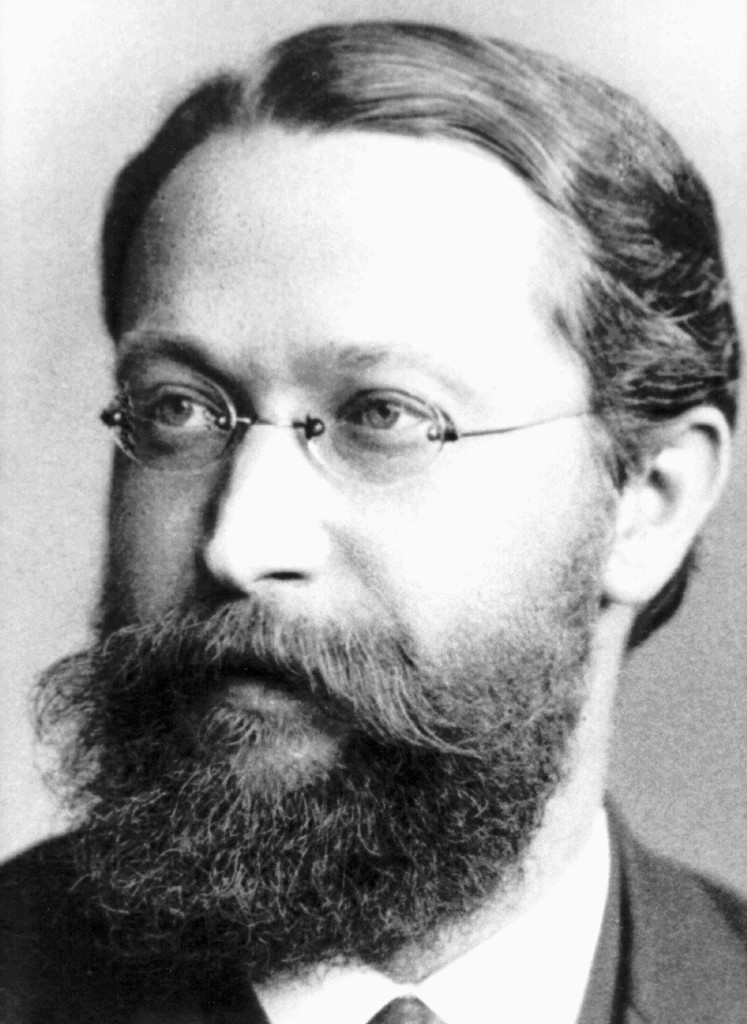
Karl Ferdinand Braun
Inventor of the cathode-ray tube, Braun built the first such device in 1897 — known as the "Braun Tube" in German-speaking countries. During the development of radio, he also worked on wireless...
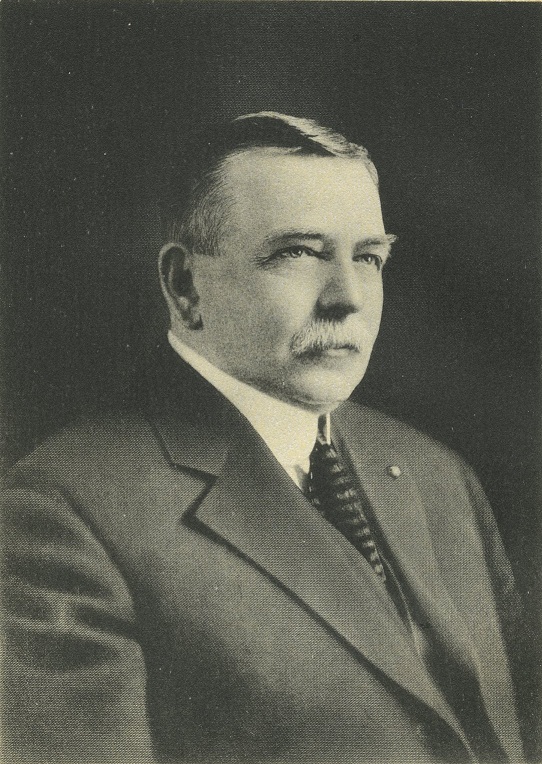
Dorr Eugene Felt
Inventor of the Comptometer, the first commercially successful key-driven mechanical calculator, Felt built his first prototype during the US Thanksgiving holidays of 1884. Because of his limited amount of money, he used...
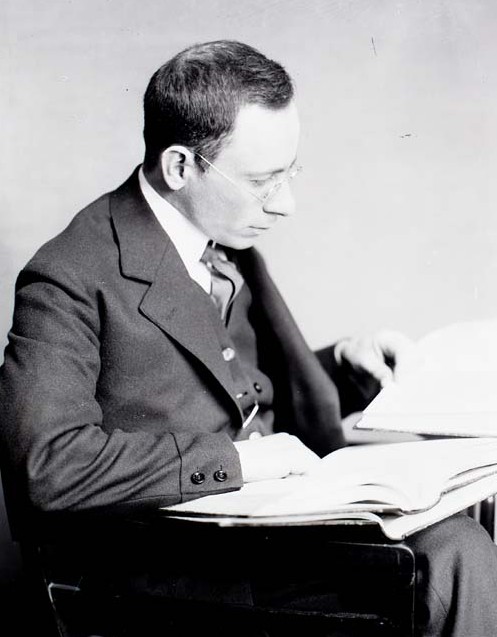
Emanuel Goldberg
Contributor of a wide range of theoretic and practical advances relating to light and media and inventor of a very early search engine, Goldberg was also the founding head of Zeiss Ikon,...
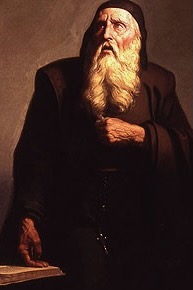
Ramon Llull
A pioneer of computation theory, Llull was a Majorcan writer and philosopher who wrote the first major work of Catalan literature. Recently-surfaced manuscripts show him to have anticipated, by several centuries, prominent...
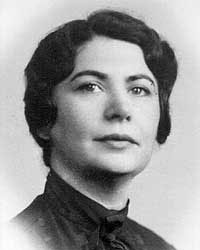
Gertrude Blanch
Pioneering figure in numerical analysis and computation and one of the founders of the Association for Computing Machinery (ACM), Blanch was born Gittel Kaimowitz in Kolno, Russia (now Kolno, Poland), arrived in...
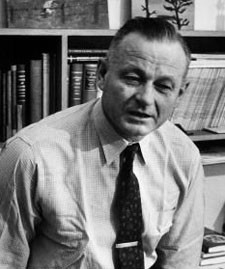
Gordon Stanley Brown
Involved in the development of Whirlwind, the first all-digital computer, Brown also originated many of the concepts behind automatic-feedback control systems and the numerical control of machine tools. He was born in...
-
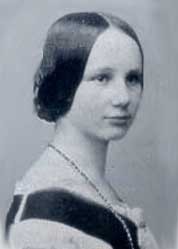
Augusta Ada King, Countess of Lovelace
Known as the "World's First Computer Programmer," Lovelace wrote notes on Charles Babbage's analytical engine that include what is recognized as the first algorithm intended to be processed by a machine. An...