Honor Database
Displaying 161 – 180 of 515 Honorees (Category: Hardware, with portraits)
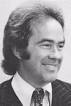
Michael (Mike) A. McNeilly
Holder of the first patent for infrared deposition of silicon and other materials — a breakthrough that revolutionized deposition quality and produced slip-free, dislocation-free epi — McNeilly is a Silicon Valley pioneer...

Charles (Chuck) H. House
A Silicon Valley legend cited by the Smithsonian and the Computer History Museum as one of the top 200 Computer Wizards of America, House participated in creating twelve product lines at Hewlett-Packard...
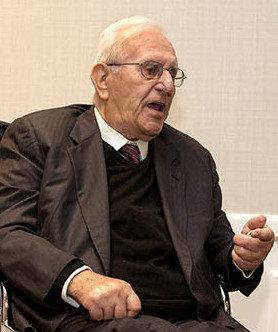
Arnold Meyer Spielberg
Inventor of the first computer-controlled point-of-sale cash register, Spielberg is recognized as a pioneer in the computer industry, credited with a number of breakthroughs during his professional career, among them early guidance...
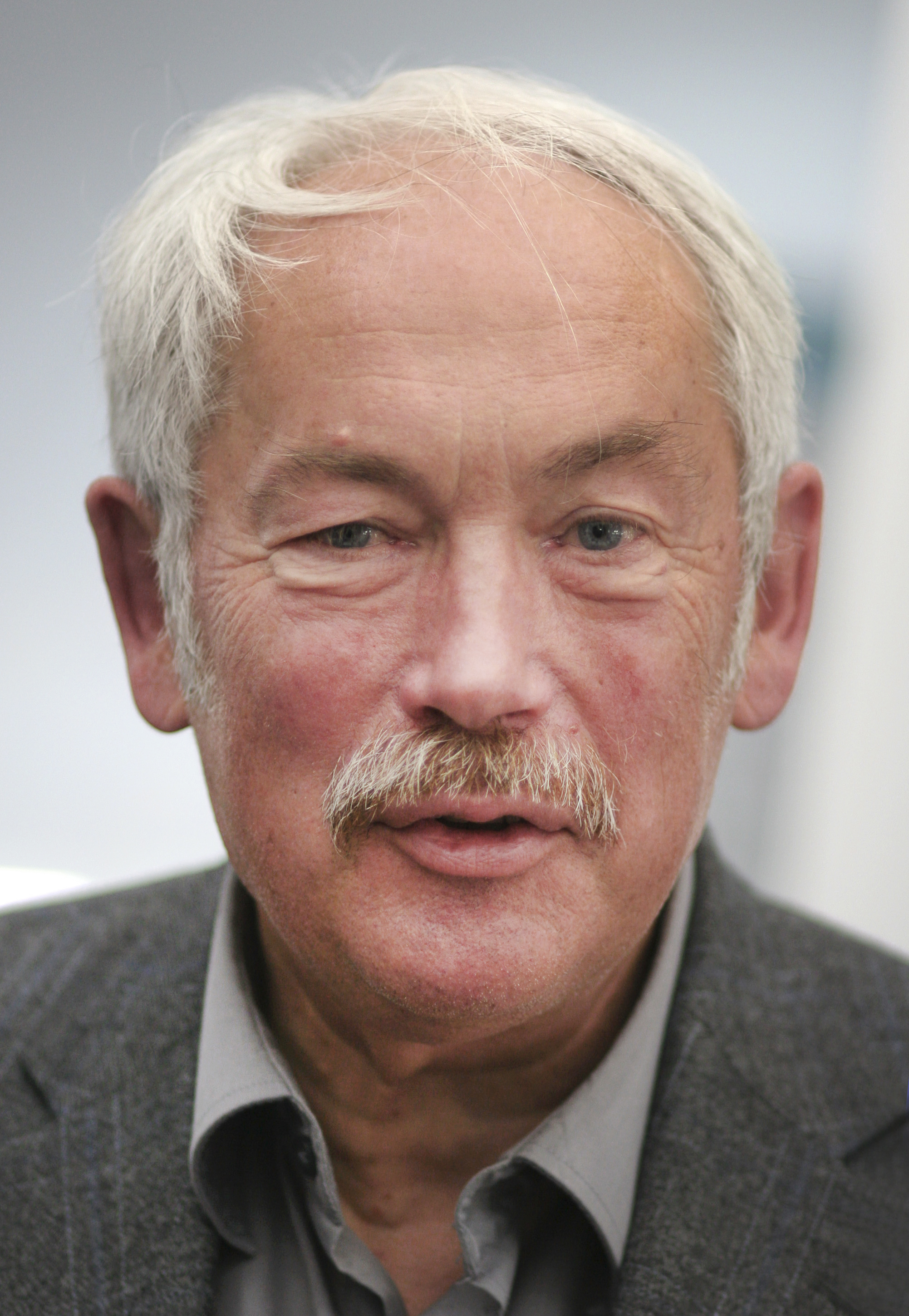
Peter Andreas Grunberg
Peter Andreas Grunberg discovered the Giant Magnetoresistance (GMR) effect, which is the basis of all modern magnetic read/write heads. He received the 2007 Nobel Prize in Physics for this groundbreaking contribution.
Leo F. Slattery
Designer of memory capacity for mainframe computers, Slattery was one of the earliest members of Control Data Corporation (CDC). Born and raised in St. Paul, MN, he graduated from Cretin High School in...
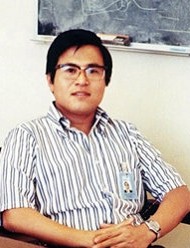
Masatoshi Shima
Co-designer of the world's first microprocessor, the Intel 4004, Shima worked alongside Federico Faggin, Ted Hoff, and Stanley Mazor on that landmark achievement. He studied organic chemistry at Tohoku University in Sendai,...
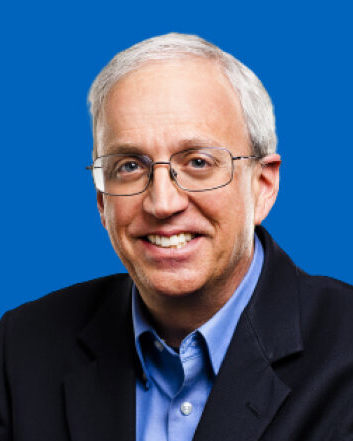
William (Bill) James Dally
Co-builder of the J-Machine and the M-Machine — parallel machines emphasizing low overhead synchronization and communication — Dally has served as Chief Scientist and Senior Vice President of Research at NVIDIA, an...

John Maxwell Cohn
An innovator in design automation for both analog and digital custom integrated circuits, Cohn has served as Chief Scientist of Design Automation in the Systems and Technology Group at IBM, Burlington, Vermont....
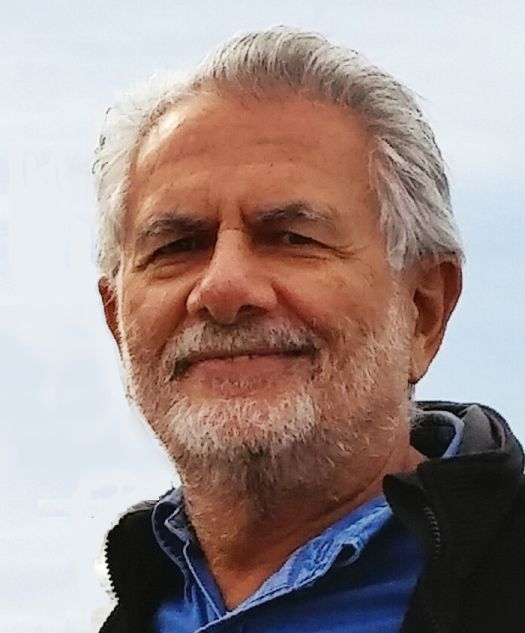
Joseph (Josh) A. Fisher
Creator of VLIW architectures, which allow programs to explicitly specify instructions to be executed in parallel for higher performance, Fisher is an American computer scientist also noted for his work on compiling...

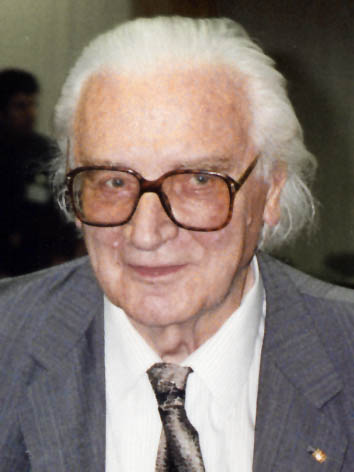
Konrad Zuse
German engineer who, completely independently of British and American computing efforts, built the Z3 (1941), the first working program-controlled general-purpose digital computer. The Z3, destroyed in the bombing of Berlin, never got...

Reynold (Ray) B. Johnson
Developer of the first manufactured hard disk drive, Johnson began his career as a teacher after graduating from the University of Minnesota in 1929, and invented an electronic test scoring machine, for...
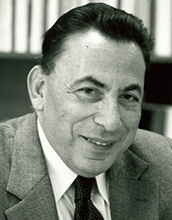
Erich Bloch
Pioneering developer of the IBM System/360, which helped revolutionize the data processing industry, Bloch is recognized for contributions that earned him the first National Technology Medal from U.S. President Ronald Reagan. On...
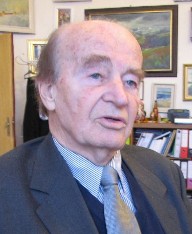
Ivan Plander
Developer of the analog computer around 1958, Plander is a Slovak computer scientist who received his Ph.D. at the Technical University in Prague and his Habilitation (Dr.Sc.) in Computer Science at the...
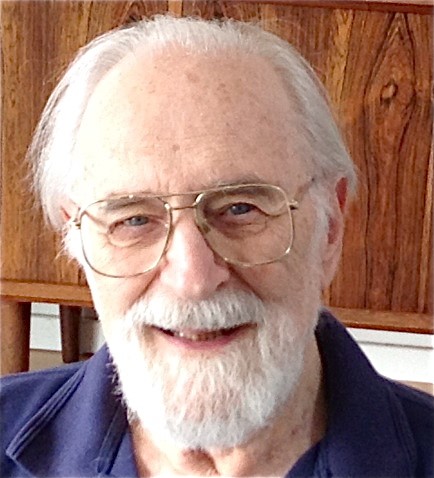
Maurice Karnaugh
Developer of the Karnaugh map, also known as the K-map, Karnaugh created a method to simplify boolean algebra expressions that was fundamental in the development of digital electronics and is provided for...
Clive Marles Sinclair
Developer of the first mass-market UK home computer for under £100, Sinclair was a British entrepreneur and inventor responsible for the ZX80, ZX81, and ZX Spectrum computers, as well as the slim-line...
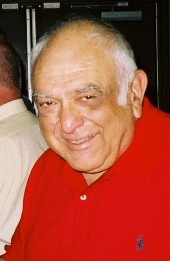
Paul Castrucci
Leader of the team that invented and developed a major paradigm shift in computer storage, Castrucci's work set the stage for current computer memory technology. Born in St. Johnsville, New York on the...
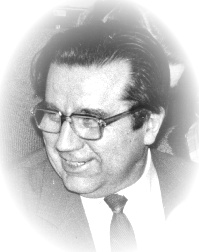
Arnold Reitsakas
Responsible for the computer age in Estonia, Reitsakas started as a resident of Tallinn in 1952. He graduated from the 10th School of the Leningrad Institute of Communications in 1957. Reitsakas was...
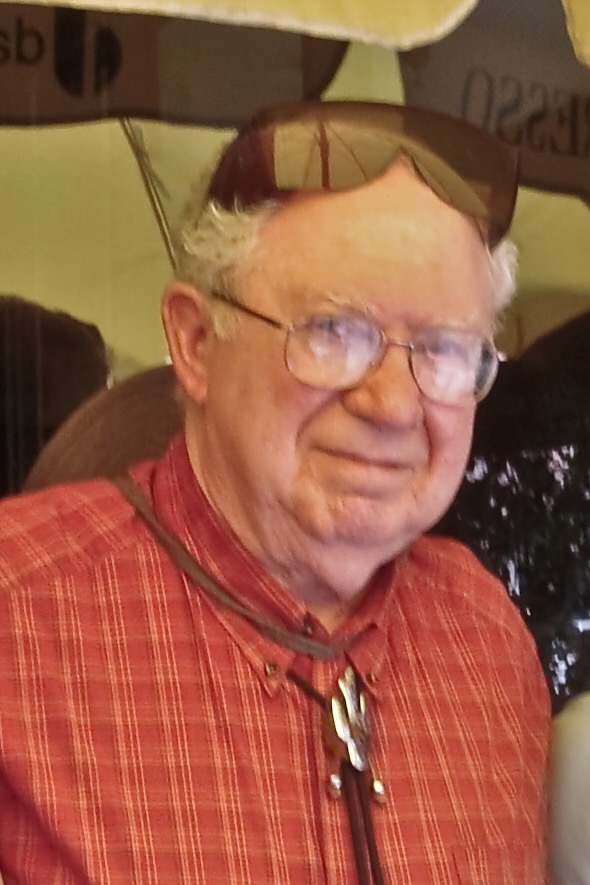
Gerald Estrin
Father of reconfigurable computing and variable structure computing, Estrin transformed how computational processes could be accelerated using variable configurations of specialized hardware modules. Estrin received his B.S., M.S., and Ph.D. degrees from the...
James L. Fergason
Inventor of an improved liquid crystal display, Fergason made his seminal discovery of the twisted nematic cell — a low-power, field-operated LC display — in 1969 while at the Liquid Crystal Institute...
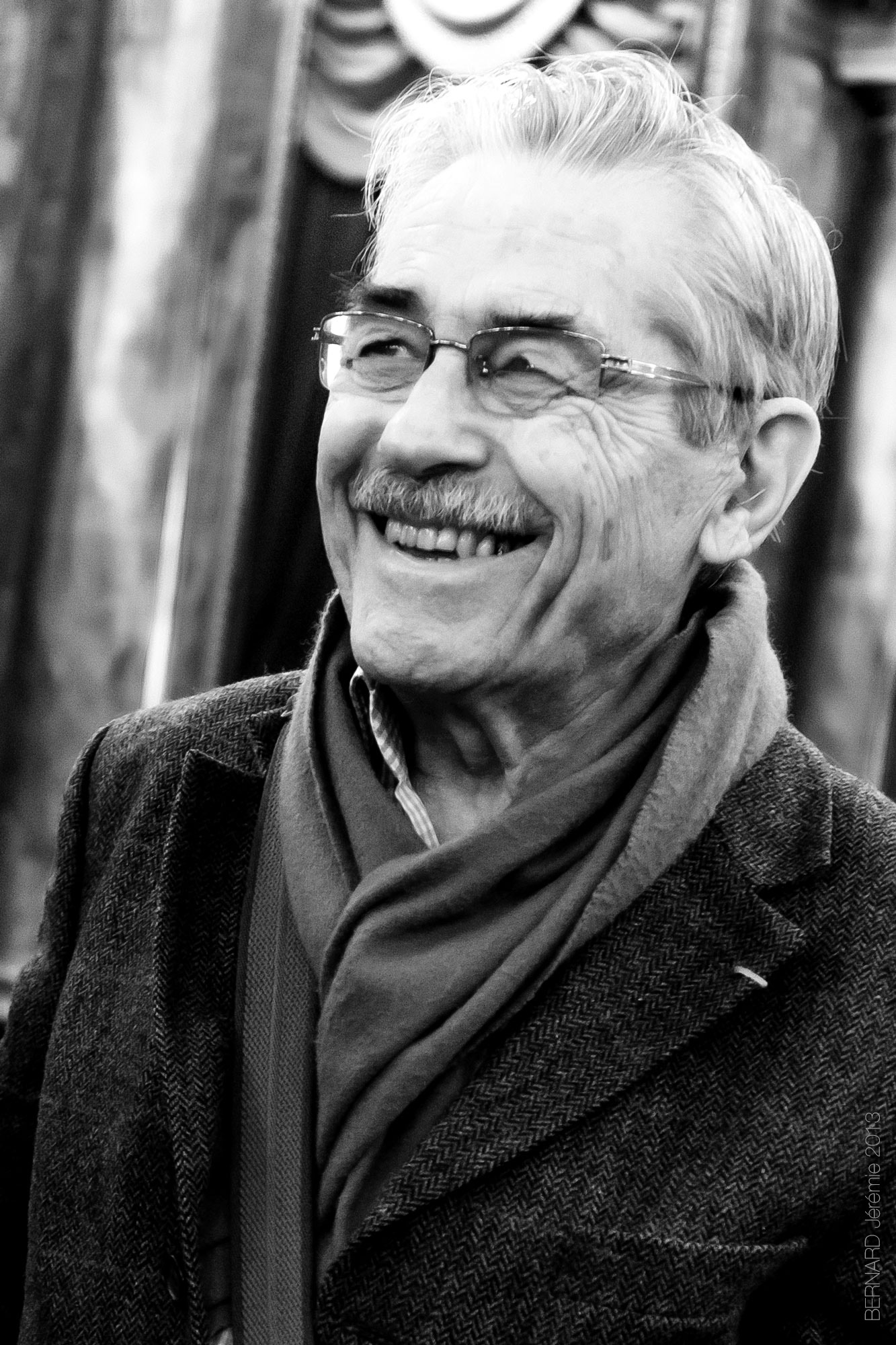
Louis Pouzin
Invented the datagram and designed the first packet communications network, CYCLADES, Pouzin also created the first forms of command-line interface. His work was broadly used by Robert Kahn, Vinton Cerf, and many...