Honor Database
Displaying 621 – 640 of 1,696 Honorees (with portraits)
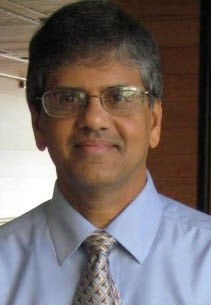
Jaishankar (Jai) Moothedath Menon
Developer of RAID (Redundant Array of Independent Disks) storage technology, Menon was the driving force for advancing RAID storage systems as the high-performance, high-reliability solution for server-based computers. He served as Vice...
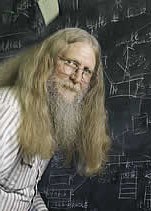
Bruce Lindsay
Participant in the development of System R (the first Relational DBMS prototype) and R* (a distributed RDBMS), Lindsay is a recognized expert on many aspects of relational database technology, including distributed DBMS,...

Edgar (Ted) Frank Codd
Inventor of the relational model for database management, Codd established the theoretical basis for relational databases while working for IBM. He made other valuable contributions to computer science, but the relational model,...
Jay N. Goldberg
Purchaser of Money Management Systems, Inc. (MMS) in 1986, Goldberg acquired the firm — which sold software and services to banks and broker-dealers for securities trading activities — from Ziff-Davis, later selling...
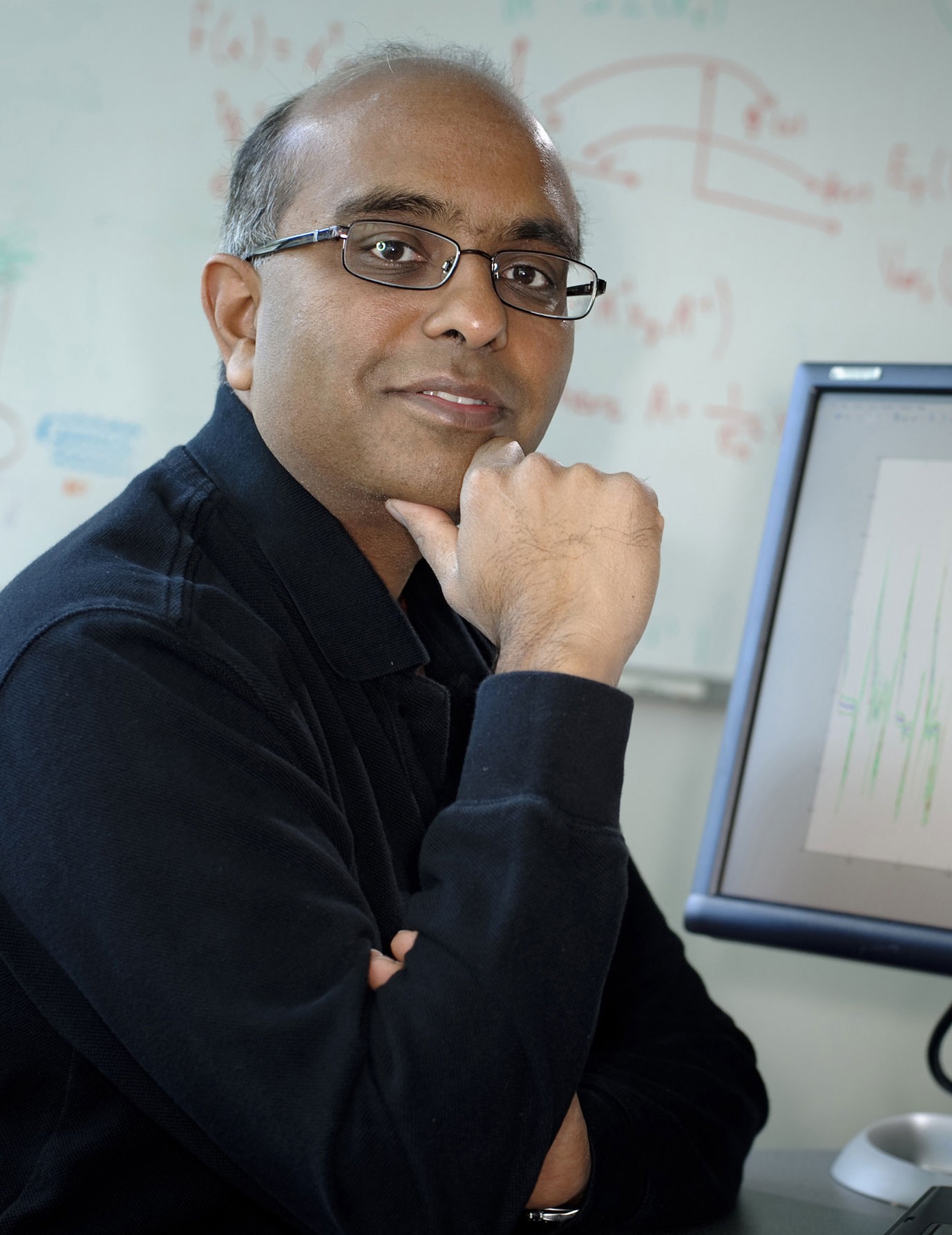
Ashok N. Srivastava
Leader of the Intelligent Data Understanding group at NASA Ames Research Center, Srivastava performed research and development of advanced machine learning and data mining algorithms in support of NASA missions. He has...
-
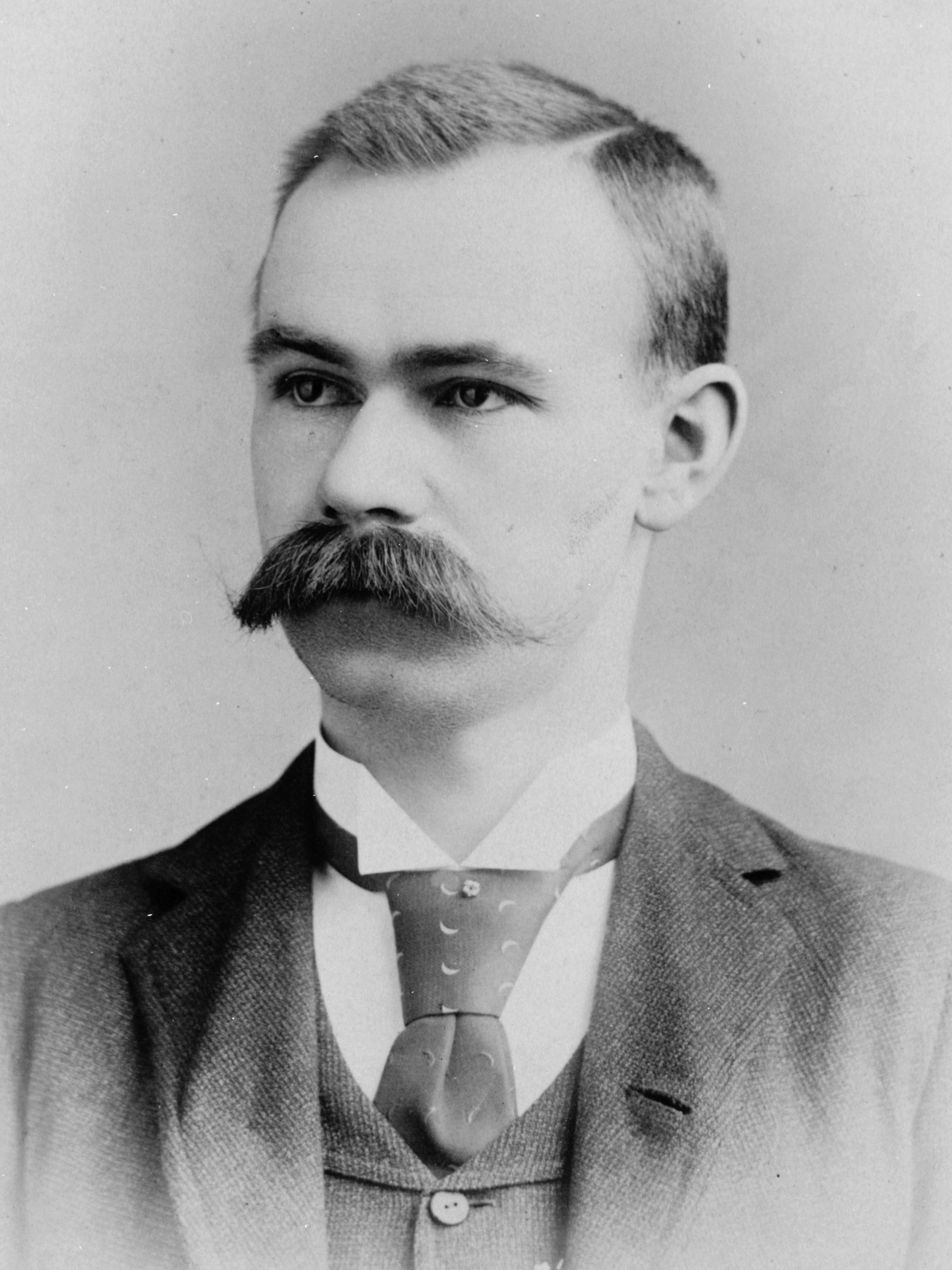
Herman Hollerith
Inventor of the punched card, Hollerith was a German-American statistician who developed a mechanical tabulator based on punched cards to rapidly tabulate statistics from millions of pieces of data. He was the...

Don Hammond
Developer of time standards for space navigation, high-speed computer printers, and medical ultrasound technology, Hammond built a 50-year career on these and other significant contributions. While at HP from 1959 to 1987, Hammond...
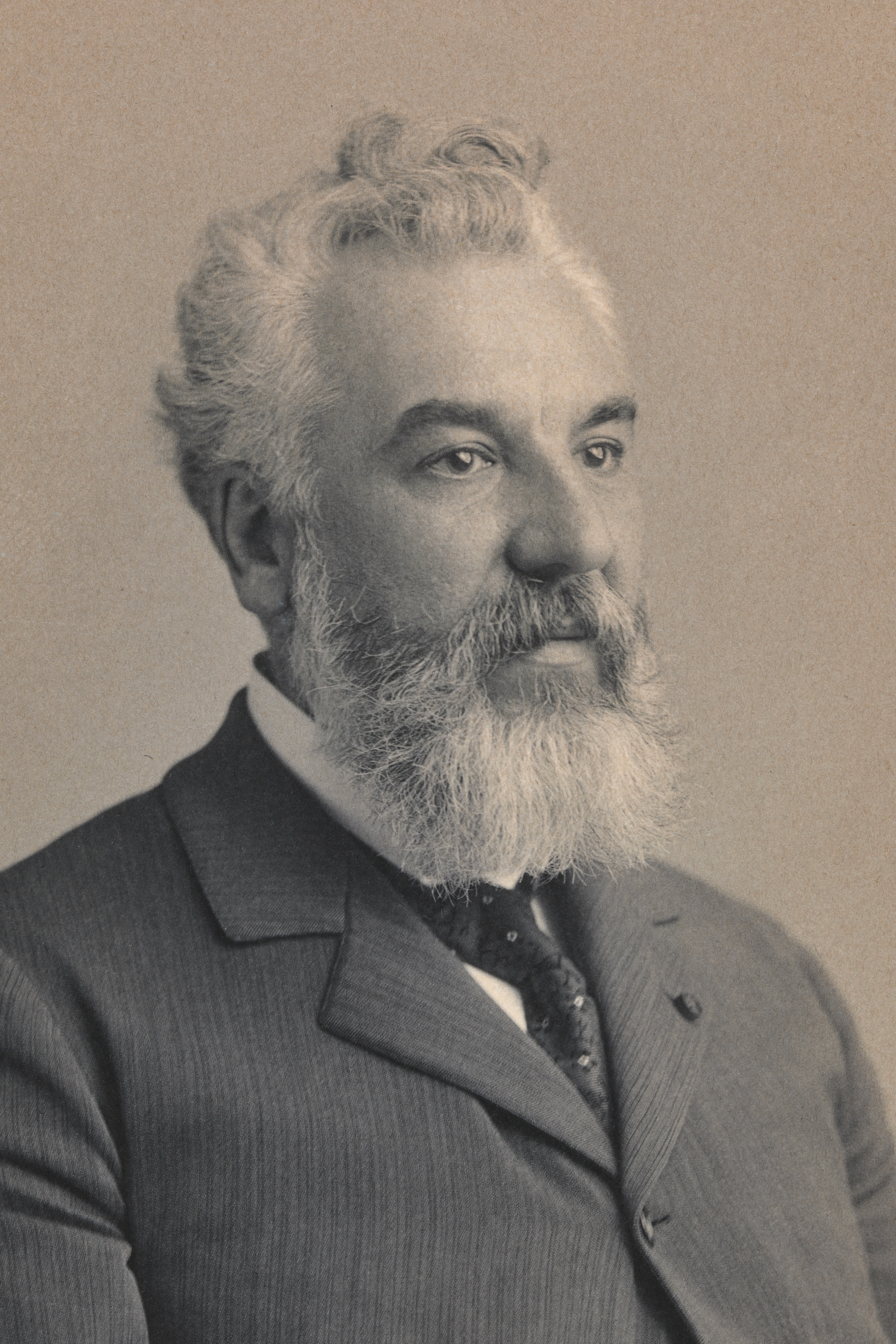
Alexander Graham Bell
Inventor of the first practical telephone, Bell was also an eminent scientist, engineer, and innovator whose later work made groundbreaking contributions to optical telecommunications, hydrofoils, and aeronautics. Bell's father, grandfather, and brother had...

Carl Sassenrath
Creator of the Amiga Computer operating system kernel, which brought multitasking to personal computers, Sassenrath is also the designer of the REBOL computer language. Born in Eureka, California, he has served as...
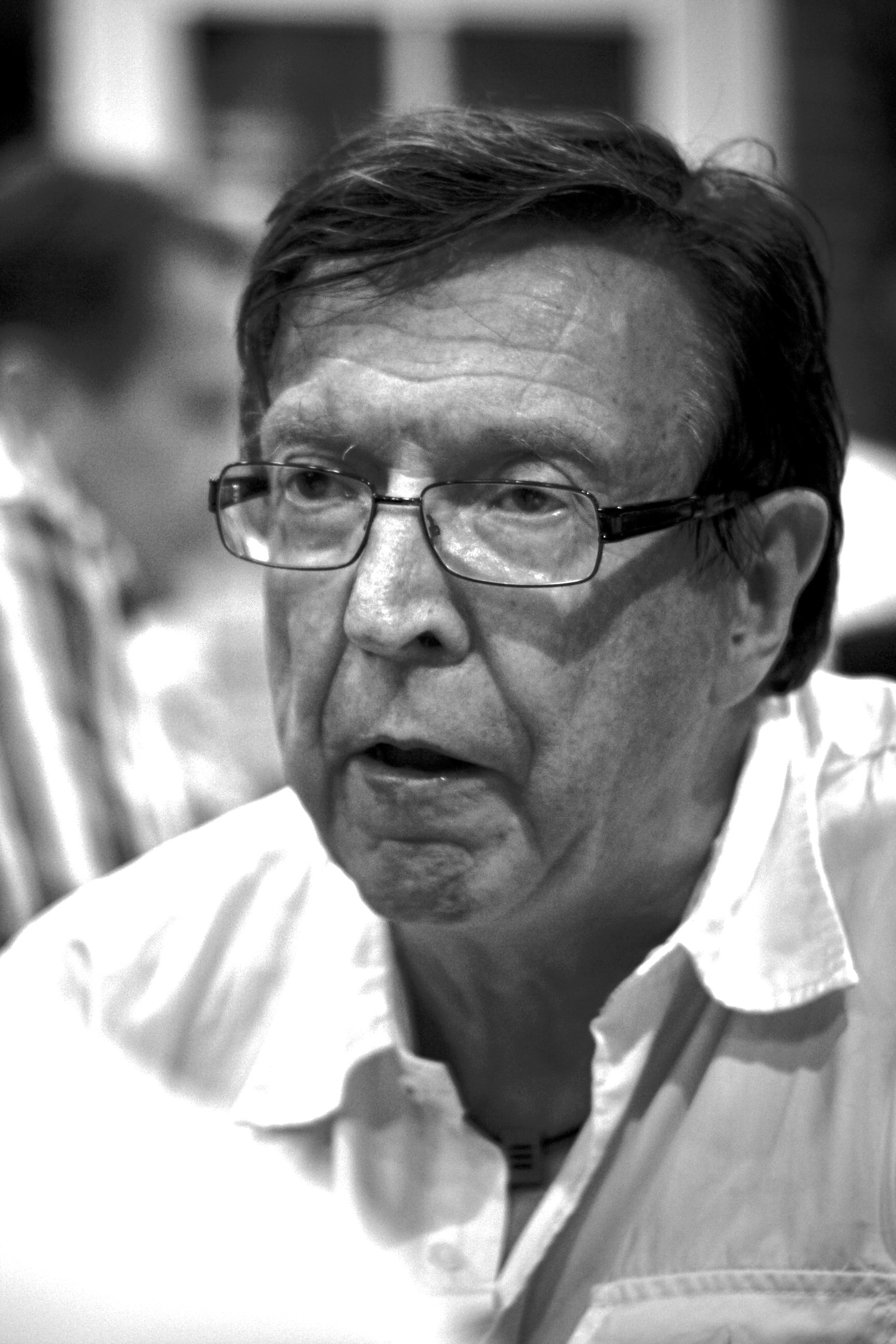
Ivar Hjalmar Jacobson
Known as a major contributor to UML, Objectory, RUP, and aspect-oriented development, Jacobson has shaped modern software engineering practice. After university, he started working at Ericsson until April 1987, when he started...
-
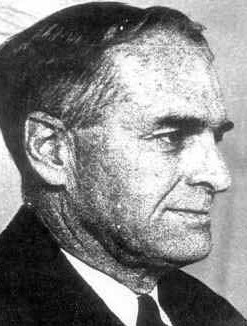
James Waddell Alexander II
Founder of cohomology theory, Alexander was also a pioneer in algebraic topology who contributed to the beginnings of knot theory by defining the first of the polynomial knot invariants. He was an American...

Kilnam Chon
Developer of the first Internet in Asia, called SDN, Chon is a pioneering computer scientist and network engineer. He was born and raised in Japan and completed his education in the US....
Alice Rowe Burks
One of 75 females employed as a "woman computer" performing mathematical calculations before electronic computers became commercially available, and co-publisher of the definitive Who Invented the Computer? in 2003, Burks was also...

Francis (Fran) O. Underwood
Chief Architect of the IBM 1401, known as the SPACE Machine, Underwood was an engineer, machine designer, and engineering trainer for IBM. Born in Omaha, NE, he came from a line of...
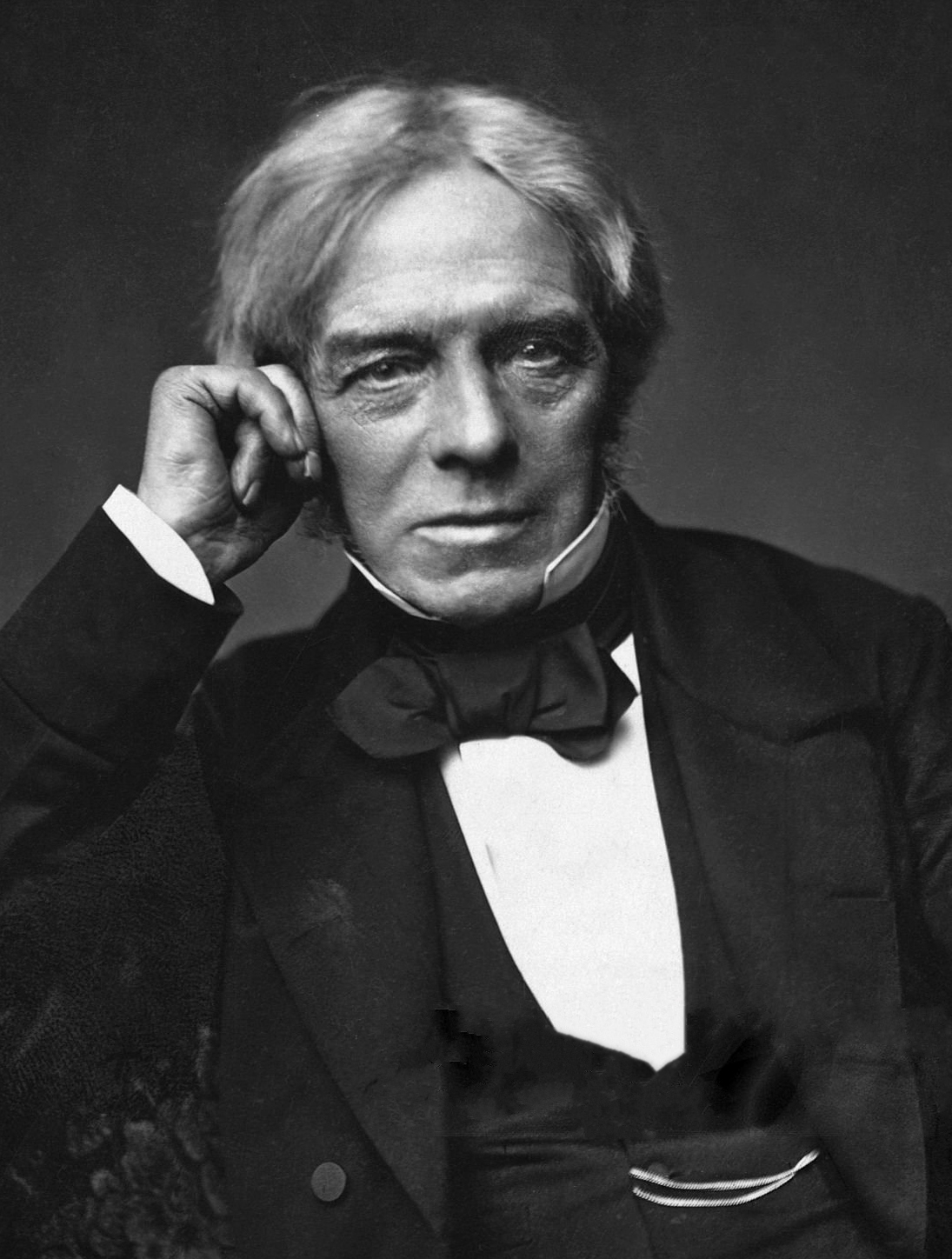
Michael Faraday
A father of electromagnetism and electronics, Faraday studied the magnetic field around a conductor carrying a DC electric current. While conducting these studies, he established the basis for the electromagnetic field concept...
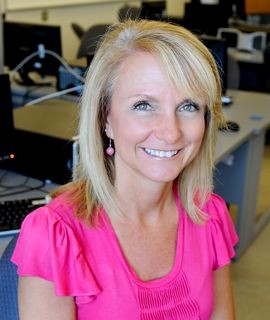
Laurie Williams
Foremost co-researcher in agile software development and in the security of healthcare IT applications, Williams has served as a Professor in the Computer Science Department of the College of Engineering at North...
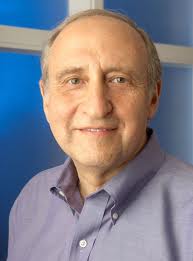
Ben Shneiderman
Known for experimentation on the use of flowcharts and information visualization in programming, Shneiderman conducted experiments in his earlier work on studying programmers which suggested that flowcharts were not helpful for writing,...

Kevin A. Stoodley
Conceiver and developer of the Testarossa dynamic compilation infrastructure, which along with the J9 JVM project became the basis for all of IBM's Java language implementations, Stoodley has served as Chief Technical...
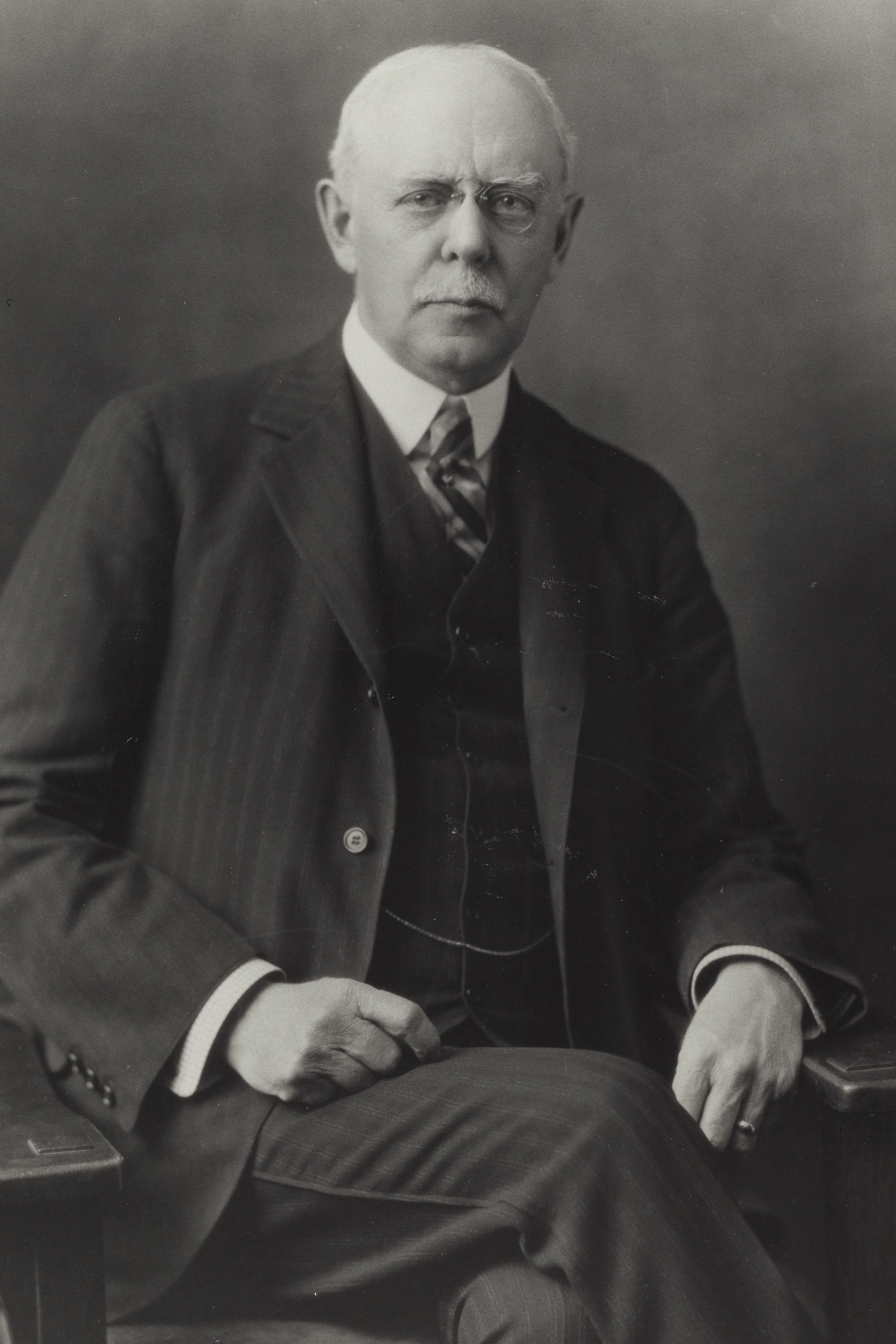
Arthur Dehon Little
Founder of the consulting company Arthur D. Little, which played key roles in the development of the word processor and much more, Little was an American chemist and chemical engineer born in...
-
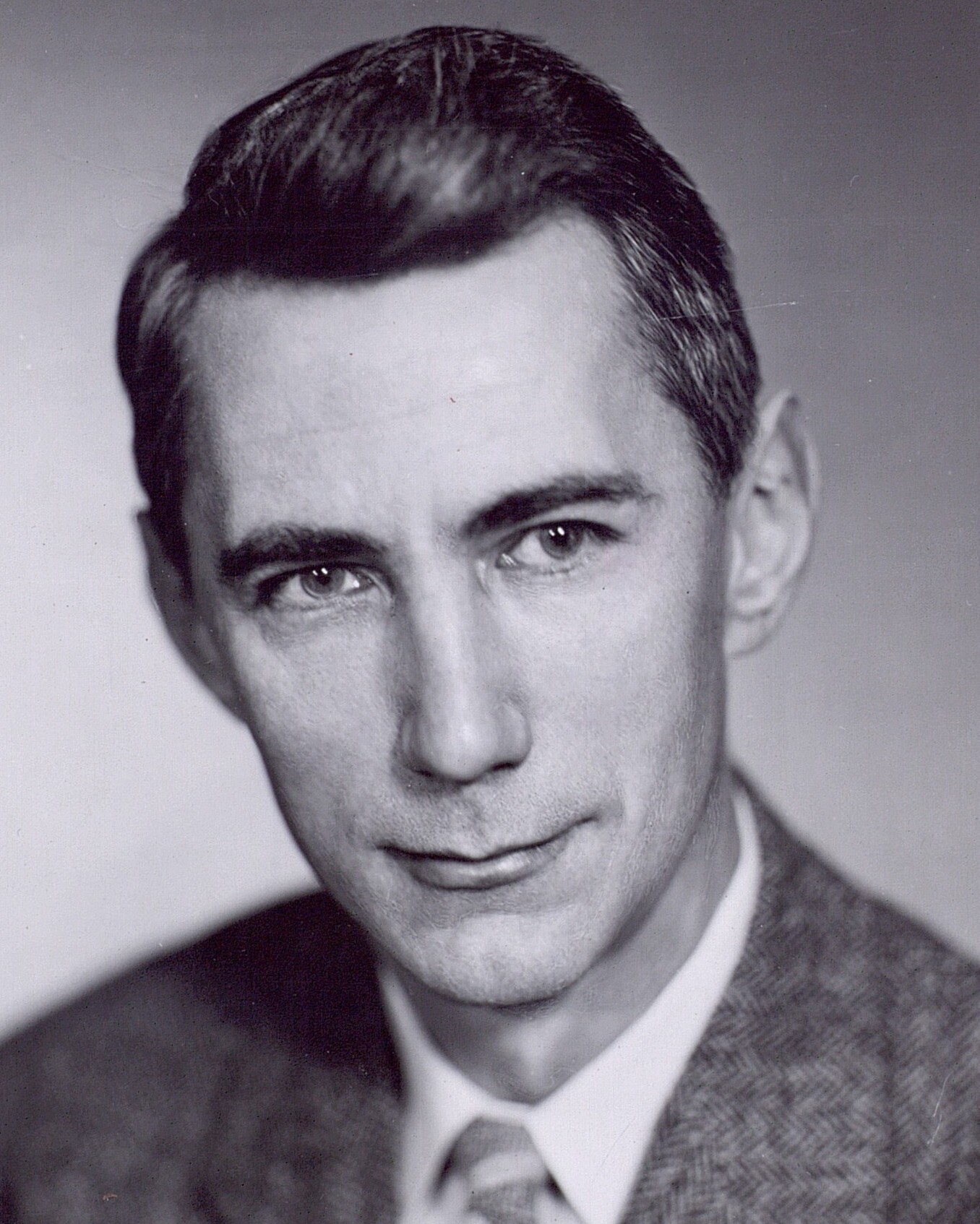
Claude Elwood Shannon
Developer of Information Theory, the basis for the design of communication systems and networks, Shannon also noted the importance of Boolean theory for the design of logic circuits whilst still a student...